
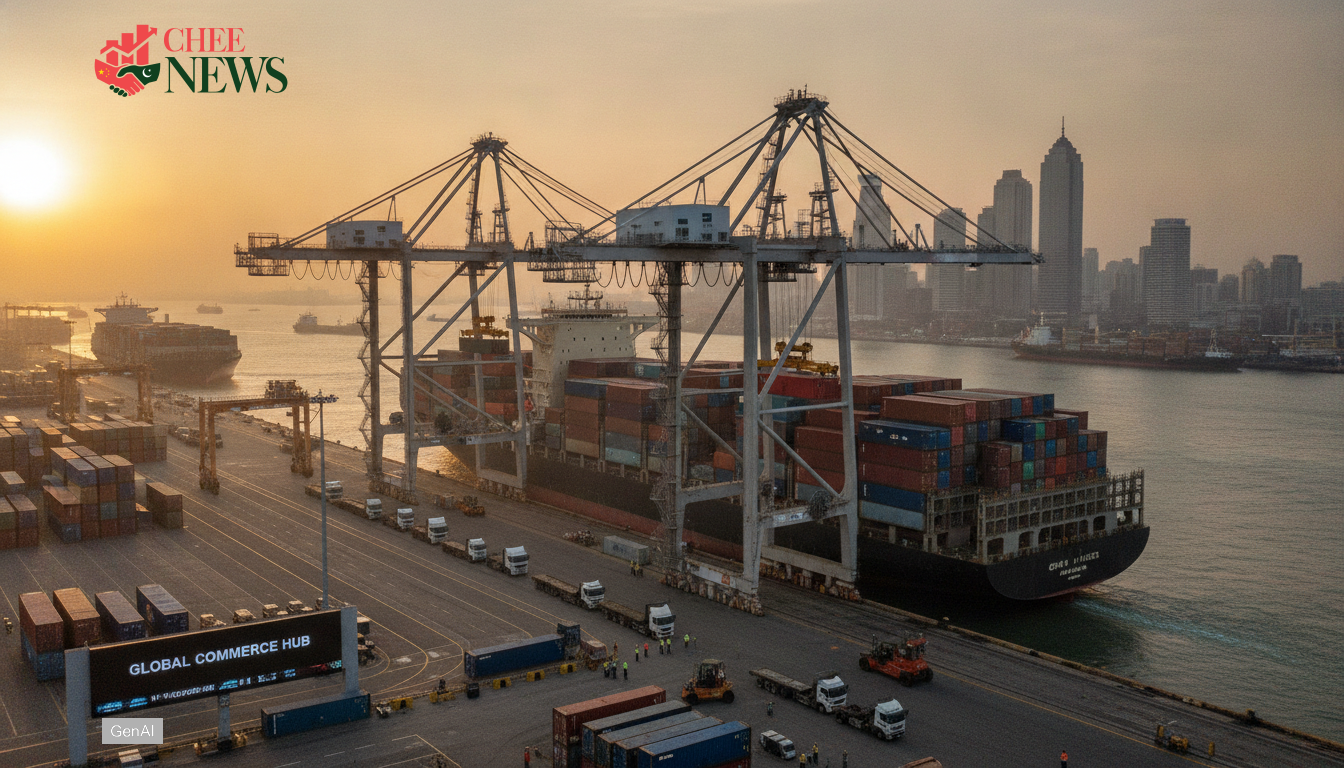
Tariff headlines set the tone for soybean futures
Soybean futures traded narrowly, with traders waiting for clearer direction from official statements and buyer interest. China soybean trade signals stayed in focus as early pricing reflected hesitation rather than a decisive shift in demand, and desks monitored nearby spreads for clues about how strongly crushers want beans versus meal and oil. According to Bloomberg, the market appears to be drifting as participants await signs of Chinese buying following a U.S. tariff statement. Many treated the latest remarks as a policy reminder rather than an immediate rule change, which kept hedge activity cautious. Exporters and merchandisers continued to watch basis levels and freight indications for confirmation that demand is returning.
China soybean trade signals after U.S. tariff remarks
Chinese importers typically weigh tariff exposure alongside crush margins, port logistics, and currency moves when deciding shipment timing, traders say. Market participants have compared the latest tariff headlines with the possibility of revised negotiating timelines that could shift the risk premium embedded in offers. Bloomberg framed the near-term question as whether buyers step in after the latest U.S. tariffs statement, with the market looking for verifiable follow-through via tenders or booked cargoes, according to its reporting; in a separate example of how policy disputes can spill into commercial planning, US weighs ban on Chinese inverters as industry warns showed how trade tensions can affect procurement decisions beyond agriculture. For soybean desks, the practical test is whether bids reappear at levels that work for crushers and state buyers.
Global supply shifts, basis, and risk appetite
Outside the U.S., market reaction has centered on optionality rather than panic, as alternative origins and shipping windows remain available. Traders watch whether demand shifts between the U.S. and South America, since that can quickly change freight, insurance, and regional basis. A broader risk backdrop also matters: the South China Morning Post, in its reporting, highlighted how Hong Kong finance groups seek new niches in cross-border capital via Make Hong Kong China’s space finance capital, legal group urges Beijing. In grains, sentiment can similarly influence when importers commit to large volumes. In that context, China soybean trade activity is often treated by traders as a barometer for broader commodity sentiment, with volatility more likely to stay contained until confirmed tenders emerge.
Near-term buying windows and shipment timing
Forward interest is focused on how purchasing windows could reopen if political messaging stabilizes and documentation rules look predictable, according to traders. Exporters and crushers look for clarity on tariff treatment, inspection procedures, and the timing of any policy implementation before committing to heavier volumes. Some market participants reference purchase bursts seen during earlier negotiations, including the Phase One period in 2020, while remaining cautious about assuming repeat patterns; for background on earlier mechanics that influenced flows, see China-US Soybean Trade Restarts Under Phase-One Deal. Any incremental deal language could reduce uncertainty around booking decisions, but bids still depend on crush margins, delivered costs, and available freight. The market remains positioned for quick repricing if large orders appear.
Policy steps to reduce uncertainty for traders and crushers
For policymakers, predictability matters more than rhetorical pressure because supply chains rely on contracts, inspections, and credit terms that are set weeks in advance, industry participants say. U.S. officials can reduce uncertainty by stating tariff scope and implementation timelines in plain language, helping exporters price offers without excessive buffers. Chinese agencies can also signal buying intentions through transparent tender procedures and consistent port guidance that lets commercial firms plan logistics. Regulators on both sides should keep phytosanitary rules stable, since abrupt changes can halt loading programs even when prices are attractive, as traders and shippers often note. Investors will watch whether future statements de-escalate trade tensions enough to stabilize procurement, including through clearer communication that separates political positioning from operational rules. In the near term, flows would likely benefit from clearer communication; otherwise, futures may continue to drift as participants wait for verifiable orders.

