
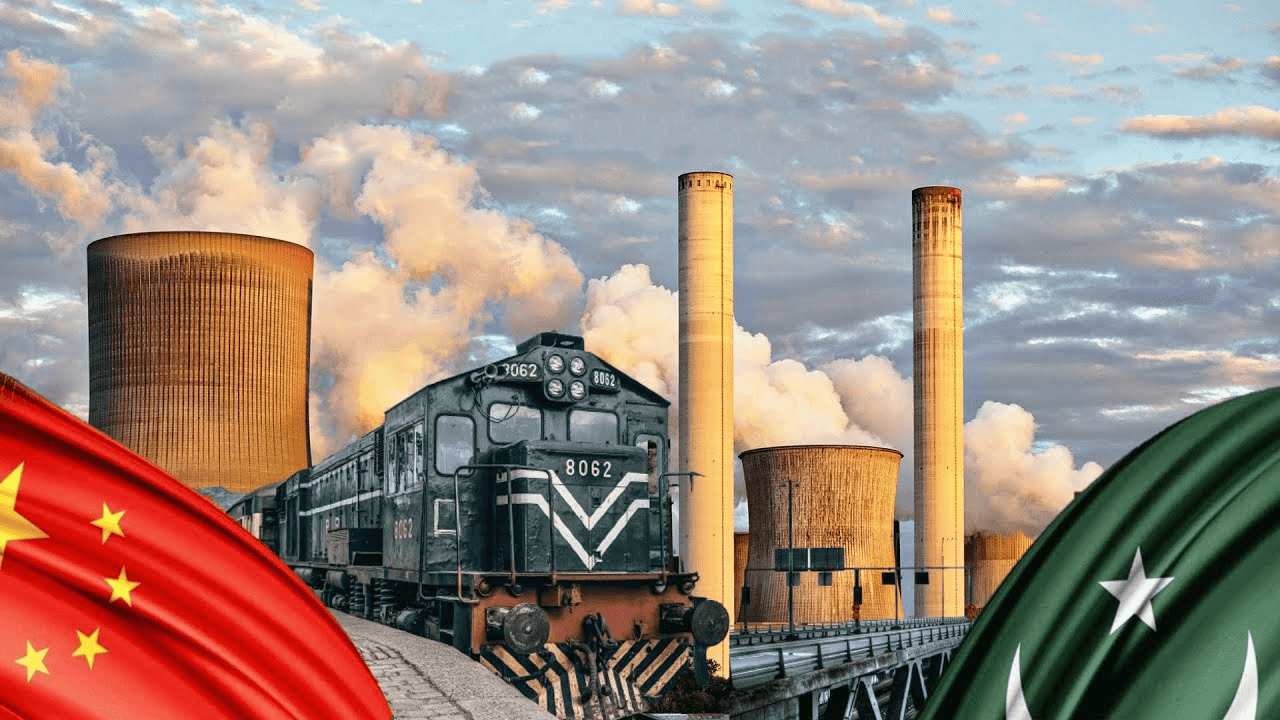
Rail connectivity between Pakistan and China is a critical component of the China-Pakistan Economic Corridor (CPEC), facilitating trade, industrial growth, and regional economic integration. Recent upgrades and enhancements in rail infrastructure aim to reduce transit times, improve cargo throughput, and provide reliable logistics for export-oriented industries. By modernizing railway networks and integrating advanced technology, Pakistan and China are ensuring smoother trade flows and more efficient cross-border transportation.
Overview of Rail Link Enhancements
CPEC Phase II includes significant investments in railway infrastructure:
- Karachi–Gwadar to Quetta–Khunjerab Upgrades: Enhancements of track quality, signaling systems, and speed capacity to accommodate larger freight volumes.
- High-Capacity Freight Corridors: Dedicated freight lines connecting industrial zones with ports and Chinese border points, reducing congestion on passenger lines.
- Digital Signaling and Monitoring Systems: Implementation of AI-assisted monitoring for track safety, train scheduling, and maintenance prediction.
These measures reduce delivery times, increase reliability, and allow industrial and trade networks to function more efficiently.
Investment and Technological Integration
China has invested billions in railway modernization, including high-speed cargo trains, modernized tracks, and advanced signaling technology. Infrastructure investments also include automated cargo handling facilities at major junctions and integration with logistics hubs.
Advanced software systems monitor train performance, predict maintenance needs, and optimize routing for maximum efficiency. AI-driven scheduling reduces delays, minimizes fuel consumption, and improves safety across the network.

Economic Impact
Railway enhancements significantly boost trade efficiency. Reduced transit times lower logistics costs for exporters and improve delivery reliability. Industries relying on imported raw materials benefit from predictable supply chains, while exporters can reach Chinese and regional markets more quickly.
Analysts predict that upgraded rail links could increase cargo throughput by 30–40 percent, boosting trade volume and generating economic benefits for industrial zones connected to the network.
Cross-Border Connectivity
Enhanced rail links improve connectivity between Pakistan’s industrial regions and Chinese border ports. Key benefits include:
- Direct access for Pakistani goods to Chinese markets via Khunjerab Pass
- Improved integration with Chinese industrial supply chains
- Reduced dependency on road transport, lowering traffic congestion and environmental impact
These improvements support long-term trade growth, regional collaboration, and integration into global supply chains.
Industrial and Logistics Applications
Industries benefiting from rail enhancements include:
- Textile and Apparel: Faster export of garments to Chinese and international markets.
- Automotive and Machinery: Reliable transportation of heavy components and finished goods.
- Agriculture and Food Processing: Timely delivery of perishable goods through dedicated refrigerated cargo trains.
- Energy Sector: Transport of equipment for power plants and renewable energy projects, supporting CPEC energy initiatives.
Enhanced rail efficiency supports both domestic industrial growth and international trade competitiveness.
Policy and Government Support
The Pakistani government, in collaboration with China, provides regulatory and operational support to railway enhancements. Key measures include:
- Customs facilitation at border crossings for faster cargo clearance
- Standardization of rail gauges, cargo documentation, and safety procedures
- Incentives for private logistics operators integrating with rail transport
Government involvement ensures smooth operations, compliance with international trade regulations, and sustainable investment returns.
Challenges and Considerations
Despite progress, rail enhancements face several challenges:
- Geographic and climatic conditions, such as mountainous terrain, complicate construction and maintenance
- Coordination between federal and provincial authorities is necessary for smooth operations
- Ensuring safety and security along cross-border rail lines is critical for uninterrupted trade
Addressing these challenges requires technological innovation, effective planning, and stakeholder collaboration.
Future Outlook
Future developments include:
- Expansion of high-capacity freight corridors linking more industrial zones
- Integration with smart logistics platforms and real-time monitoring
- Electrification of rail lines to improve energy efficiency and sustainability
- Development of multimodal transport hubs connecting rail, road, and port networks
By 2030, these improvements could position Pakistan-China rail links as one of the fastest, most reliable freight networks in the region, supporting CPEC trade and industrial expansion.
Conclusion
China-Pakistan rail link enhancements are transforming cross-border trade by reducing transit times, improving cargo throughput, and increasing logistics reliability. Modern infrastructure, digital monitoring systems, and dedicated freight corridors strengthen Pakistan’s industrial and export capabilities while promoting regional economic integration. With continued investment, technological innovation, and policy support, railway modernization will serve as a backbone for Pakistan-China trade, industrial growth, and long-term economic development.

