
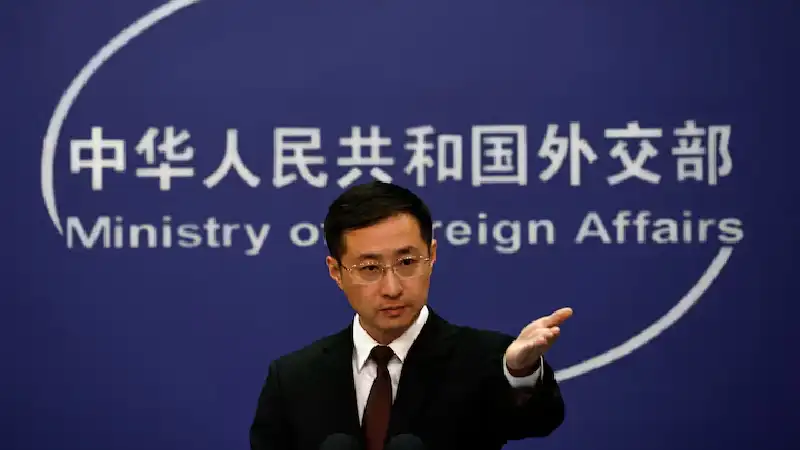
China has called for an immediate end to the escalating conflict in the Gulf, warning that continued instability is disrupting global energy security and threatening economic stability across multiple regions. Officials emphasized the importance of keeping critical maritime routes open, as oil markets react to supply shocks linked to the crisis. At the same time, Beijing signaled its readiness to strengthen cooperation with Southeast Asian countries facing growing energy shortages. The dual message reflects China’s effort to balance diplomatic positioning with practical economic interests as global energy markets enter a period of heightened uncertainty.
Chinese authorities highlighted that the situation in the Middle East is already having a direct impact on energy supply chains, trade flows, and financial markets. Southeast Asia, home to hundreds of millions of energy dependent consumers, is particularly vulnerable due to its reliance on imported fuel. Rising oil prices and shipping risks are increasing costs for governments and industries, placing pressure on economic growth. China’s offer to coordinate on energy security comes as regional countries look for stable partners to help manage disruptions and ensure continued access to essential resources.
Beijing’s position is shaped not only by diplomatic considerations but also by its own economic needs. China remains one of the world’s largest energy consumers, with its manufacturing sector heavily dependent on stable and affordable fuel supplies. While the country has spent years building reserves and diversifying imports, prolonged disruptions in the Gulf still pose risks to its economic momentum. Analysts note that China is cautious about the broader consequences of the conflict, even as it seeks to present itself as a steady and reliable partner during a period of global uncertainty.
Officials have also stressed that major global powers share responsibility for maintaining international peace and protecting the stability of trade and shipping networks. The conflict’s expanding scope is already affecting multiple sectors beyond energy, including finance and logistics, with ripple effects being felt across global markets. By calling for de escalation and emphasizing cooperation, China is positioning itself within a wider international effort to prevent further economic damage while encouraging dialogue among involved parties.
The evolving situation is also opening new avenues for China to strengthen relationships in regions where its influence has been more limited. Energy cooperation has emerged as a key area where shared interests can override political tensions, particularly as countries prioritize economic stability over strategic rivalry. Recent discussions between Southeast Asian officials and Chinese representatives suggest that practical collaboration on energy could gain momentum despite ongoing geopolitical differences, including disputes in the South China Sea.
Beyond immediate supply concerns, the crisis is drawing attention to longer term energy strategies, including the role of alternative and renewable sources. Disruptions in traditional oil routes have reinforced the importance of diversifying energy systems to reduce dependence on vulnerable supply chains. China’s leadership in renewable technologies and infrastructure development positions it to play a significant role in this transition, offering both technical expertise and investment capacity to regional partners seeking more resilient energy frameworks.
Financial markets continue to respond to developments in the Gulf, with volatility reflecting uncertainty around supply conditions and geopolitical risk. Investors are closely monitoring energy prices, currency movements, and trade indicators as the situation evolves. For Southeast Asian economies, the balance between managing short term disruptions and planning for long term resilience is becoming increasingly critical, particularly as external shocks expose structural vulnerabilities in energy systems.
The situation remains fluid, with governments and market participants closely watching whether diplomatic efforts can ease tensions or whether disruptions will persist. China’s call for stability and its willingness to engage in regional energy cooperation highlight the interconnected nature of geopolitics and economic security. As the conflict continues to influence global markets, the focus remains on maintaining access to energy supplies while navigating an increasingly complex international environment.

