
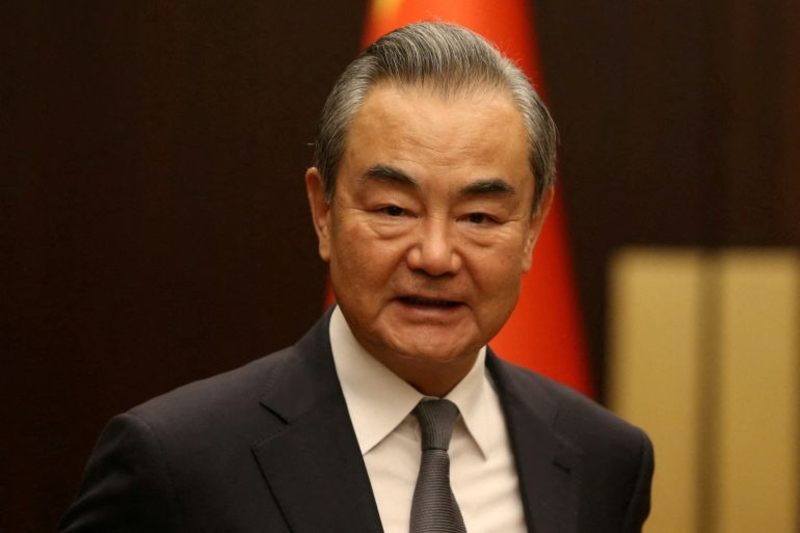
China has called for urgent restraint as tensions between Afghanistan and Pakistan intensify following a series of border clashes that have raised concerns across the region. Chinese Foreign Minister Wang Yi urged both sides to avoid further escalation and return to dialogue during a phone conversation with Pakistan’s Foreign Minister Ishaq Dar. Beijing emphasized that stabilizing the situation is a priority as continued hostilities risk undermining regional security and economic cooperation. The call came as reports of renewed fighting along the Afghanistan Pakistan border emerged, with Kabul accusing Pakistani forces of targeting several villages during the latest round of violence.
During the conversation Wang stressed that preventing further escalation remains the most pressing task and encouraged both sides to pursue negotiations as soon as possible. China reiterated its support for Pakistan’s efforts to combat terrorism while also highlighting the importance of ensuring the safety of Chinese nationals and development projects operating in the country. Chinese infrastructure and economic investments are spread across several major projects in Pakistan, making stability a key concern for Beijing. Wang also noted that China’s special envoy for Afghan affairs has been actively engaging with both governments to encourage diplomatic dialogue and reduce the risk of prolonged conflict.
The diplomatic exchange took place as Afghanistan claimed that seven villages had been targeted in recent clashes with Pakistani forces. Afghan officials reported that the incidents occurred across several districts including areas in Khost, Nuristan and Paktika provinces where mortar and artillery fire was allegedly used. According to Kabul, at least three people were killed in an overnight incident in Paktia province. Afghan authorities stated that the attacks affected multiple border communities, increasing fears among local residents who already face instability in regions close to the frontier.
Pakistan has not immediately responded to the latest allegations from Afghan officials. However tensions between the two neighbors have been rising in recent weeks following a series of cross border incidents and security operations. Islamabad has repeatedly accused Afghanistan of allowing militant groups to use its territory as a base for attacks inside Pakistan. Kabul has denied the claims and has urged Pakistan to resolve disputes through dialogue rather than military action. The exchange of accusations has added further strain to already fragile relations between the two countries.
Pakistan recently launched an operation known as Ghazab Lil Haq aimed at targeting militant groups operating near the border. Pakistani authorities say the campaign has been underway for nearly two weeks and is part of broader efforts to dismantle cross border militant networks. Islamabad has claimed that hundreds of Afghan Taliban fighters and militants have been killed during the operation. Afghan officials dispute these figures and instead claim that dozens of Pakistani soldiers have lost their lives during the clashes. Independent verification of the casualty numbers remains difficult due to the remote nature of the affected areas.
The deterioration in relations has drawn international attention as both Afghanistan and Pakistan occupy critical positions in regional security and trade corridors. China in particular has significant economic interests in Pakistan through major infrastructure and connectivity projects linked to the China Pakistan Economic Corridor. Continued instability along the Afghanistan Pakistan border could pose risks not only to security but also to economic development plans that rely on regional stability and cross border cooperation.
Diplomatic efforts are now intensifying as regional actors encourage both governments to avoid further military escalation. Officials from both Pakistan and China emphasized during their discussion the importance of resolving disputes through dialogue and diplomacy in line with international principles. As the situation evolves, analysts warn that sustained tensions could increase humanitarian concerns in border communities and complicate broader regional security dynamics. Governments across the region are closely monitoring developments as calls grow for renewed negotiations and efforts to stabilize relations.

