
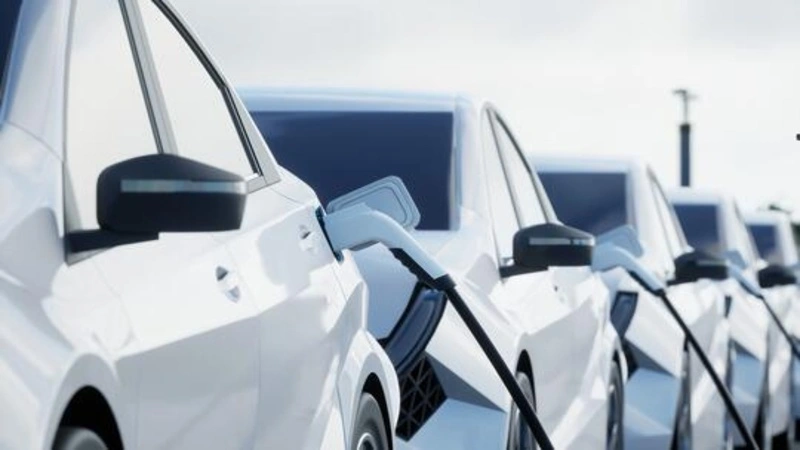
China’s expanding clean transport strategy is emerging as a practical reference for Pakistan as it looks to develop a low emission mobility system. Under its latest national planning framework, China has accelerated the integration of electric vehicles, charging infrastructure and energy systems into a unified transition model. The scale of this transformation is significant, with new energy vehicle production reaching record levels and charging infrastructure expanding rapidly across the country. For Pakistan, which is seeking to modernize its transport sector, this approach offers insights into building a coordinated and scalable low carbon system.
China’s progress reflects a broader strategy that goes beyond vehicles and focuses on linking transport with power systems, smart grids and industrial development. The country has significantly expanded its charging network, achieving near complete coverage across major highways and urban areas. This has enabled large scale adoption of electric mobility while supporting growing demand through advanced infrastructure. The integration of logistics and transport networks is also improving efficiency, with the system now handling massive daily volumes, highlighting the potential of combining infrastructure development with digital and energy innovation.
Experts believe that Pakistan can benefit from adapting key elements of this model, particularly under the evolving framework of CPEC phase II. The focus on green development, industrial cooperation and innovation aligns with China’s approach to decarbonizing transport. Analysts note that effective transition requires coordination between multiple sectors including energy, urban planning and manufacturing. By aligning policy with implementation, Pakistan can accelerate progress while ensuring that investments deliver long term economic and environmental benefits.
A major lesson from China’s experience is the importance of prioritizing scalable segments during the early stages of transition. Rather than attempting immediate electrification across all vehicle categories, a phased approach can deliver more effective results. Two and three wheelers along with urban public transport fleets present strong opportunities for early adoption due to their high usage and centralized operations. Strengthening these segments can create a foundation for broader electrification while building consumer confidence and infrastructure readiness.
China’s policy direction also highlights the importance of expanding charging infrastructure beyond traditional locations. Developing charging facilities in areas where vehicles remain parked for longer periods such as commercial centers, offices, hospitals and residential zones can improve accessibility and convenience. Additionally, fast charging corridors along key transport routes can support long distance travel and logistics operations. For Pakistan, adopting a demand driven and strategically phased infrastructure plan could play a critical role in accelerating the shift toward cleaner mobility while supporting sustainable urban growth.

