
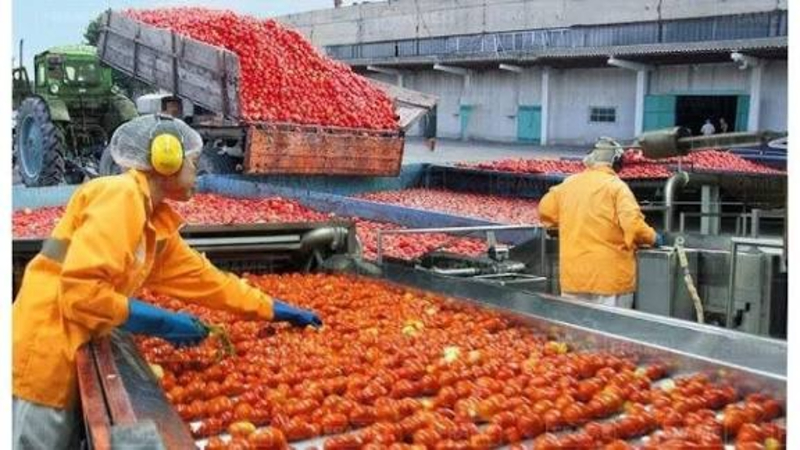
Tomatoes play a crucial role in Pakistan’s agricultural economy supporting millions of small farmers and generating significant export income each year. With annual production exceeding hundreds of thousands of tonnes the crop is a staple for domestic consumption and an important source of revenue. However increasing industrial activity has created a growing environmental challenge that threatens both crop safety and long term market access.
Industrialization in several major urban centers has led to the release of hazardous heavy metals into irrigation water and surrounding soils. Effluents from tanneries and other industrial units in cities such as Sialkot Kasur, and Lahore have introduced contaminants including chromium cadmium, and lead, into agricultural ecosystems. These metals are easily absorbed by tomato plants and can accumulate in the edible fruit, raising serious food safety concerns.
Health experts warn that prolonged consumption of vegetables contaminated with heavy metals can have severe consequences. Some of these metals are linked to carcinogenic effects and long term organ damage. Tomatoes are particularly vulnerable because of their relatively high ability to transport absorbed metals from soil into the fruit itself. This characteristic increases risks for consumers and puts pressure on farmers who depend on consistent quality to maintain yields and prices.
The impact is already being felt at farm level. Growers report declining fruit quality and in some cases yield losses of up to half of normal production. Such losses not only reduce income for farmers but also weaken Pakistan’s position in export markets where food safety standards are becoming increasingly strict. Exceeding permissible limits set by international regulatory bodies can result in shipment rejections and reputational damage.
In response to these challenges researchers from Pakistan and China have launched a collaborative initiative focused on reducing metal contamination in tomato crops. Scientists from academic institutions in both countries are working together to develop innovative soil treatment methods that rely on natural biological processes rather than chemical interventions. The approach aims to address pollution at its source while remaining affordable and scalable for farmers.
The joint research focuses on the interaction between specific microbes and plants that can help immobilize or detoxify heavy metals in soil. By preventing metals such as cadmium from entering the plant system researchers hope to significantly reduce accumulation in the fruit. This strategy not only improves food safety but also protects soil health allowing land to remain productive over the long term.
Early findings suggest that combining microbial treatments with carefully selected plant varieties could offer an effective defense against industrial pollution. Researchers believe this method can be adapted to different regions depending on local soil conditions and pollution profiles. Beyond tomatoes the approach could eventually be applied to other sensitive crops facing similar contamination risks.
The collaboration reflects a broader trend of scientific partnership between China and Pakistan aimed at solving practical problems through applied research. If successful the initiative could help safeguard farmer livelihoods restore consumer confidence and ensure that Pakistan’s tomato exports continue to meet international safety standards in an increasingly competitive global market.

