
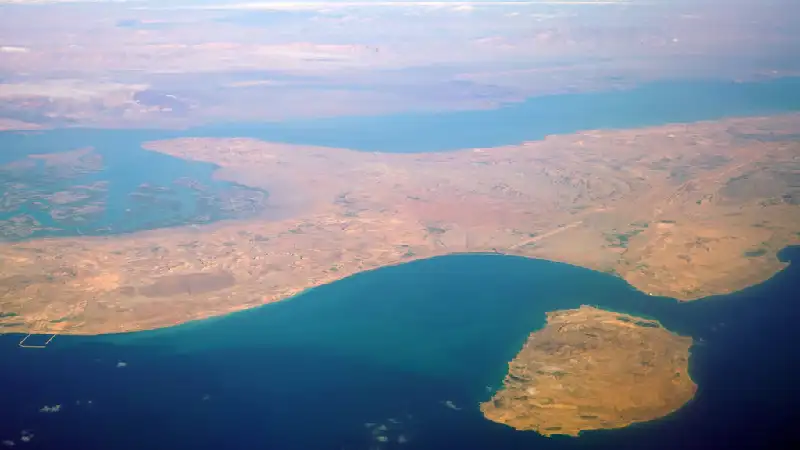
A Chinese sailor has created an improvised communication channel to help stranded seamen reconnect with their families as tensions in the Strait of Hormuz continue to disrupt maritime operations. With hundreds of commercial vessels unable to move freely and communication networks limited, many sailors have struggled to contact loved ones. In response, the crew member used available radio systems and a mobile connection to relay messages between ships and families, offering emotional relief during a period marked by uncertainty and fear among those at sea.
The sailor, working aboard a commercial vessel anchored near the United Arab Emirates coast, discovered that while most ships had lost stable internet access, his own vessel could intermittently connect due to its proximity to land. Using a combination of very high frequency maritime radio and his mobile device, he began facilitating message exchanges. When fellow sailors expressed concern about being unable to reach their families, he stepped in to bridge the gap by connecting with relatives through social media and broadcasting their messages over radio channels.
The process involved receiving audio messages from families and playing them through speakers near the radio so that stranded sailors could hear them. In return, he recorded the sailors’ replies and sent them back to their families, effectively creating a two way communication system. In some cases, he even managed to coordinate short live exchanges by linking phone calls with radio broadcasts. These efforts provided reassurance to families and helped ease anxiety among crew members facing prolonged isolation in a high risk environment.
Sailors in the region have described the situation as tense, with ongoing conflict affecting shipping routes and raising concerns about safety. Many vessels remain anchored or operating under restricted conditions, limiting access to communication services. The emotional strain of being cut off from family during such circumstances has made even brief contact highly valuable. The sailor behind the initiative said he understood the worries of both seamen and their families, motivating him to continue facilitating communication despite unstable connectivity.
The initiative has gained widespread attention online, where many have praised the sailor’s actions as compassionate and resourceful. Observers noted that his efforts reflect the importance of human connection during crises, particularly in industries like maritime transport where workers often face long periods away from home. The story has also highlighted the broader challenges faced by global shipping crews as geopolitical tensions disrupt normal operations and create new risks for those working at sea.
The situation in the Strait of Hormuz remains uncertain, with ongoing conflict continuing to affect shipping activity and communication networks. As vessels wait for conditions to stabilize, efforts like this improvised radio link are helping to maintain a sense of connection and morale among those stranded. While limited in scale, the initiative demonstrates how individuals can use available tools to address urgent needs, offering support in environments where conventional systems are no longer reliable.

