
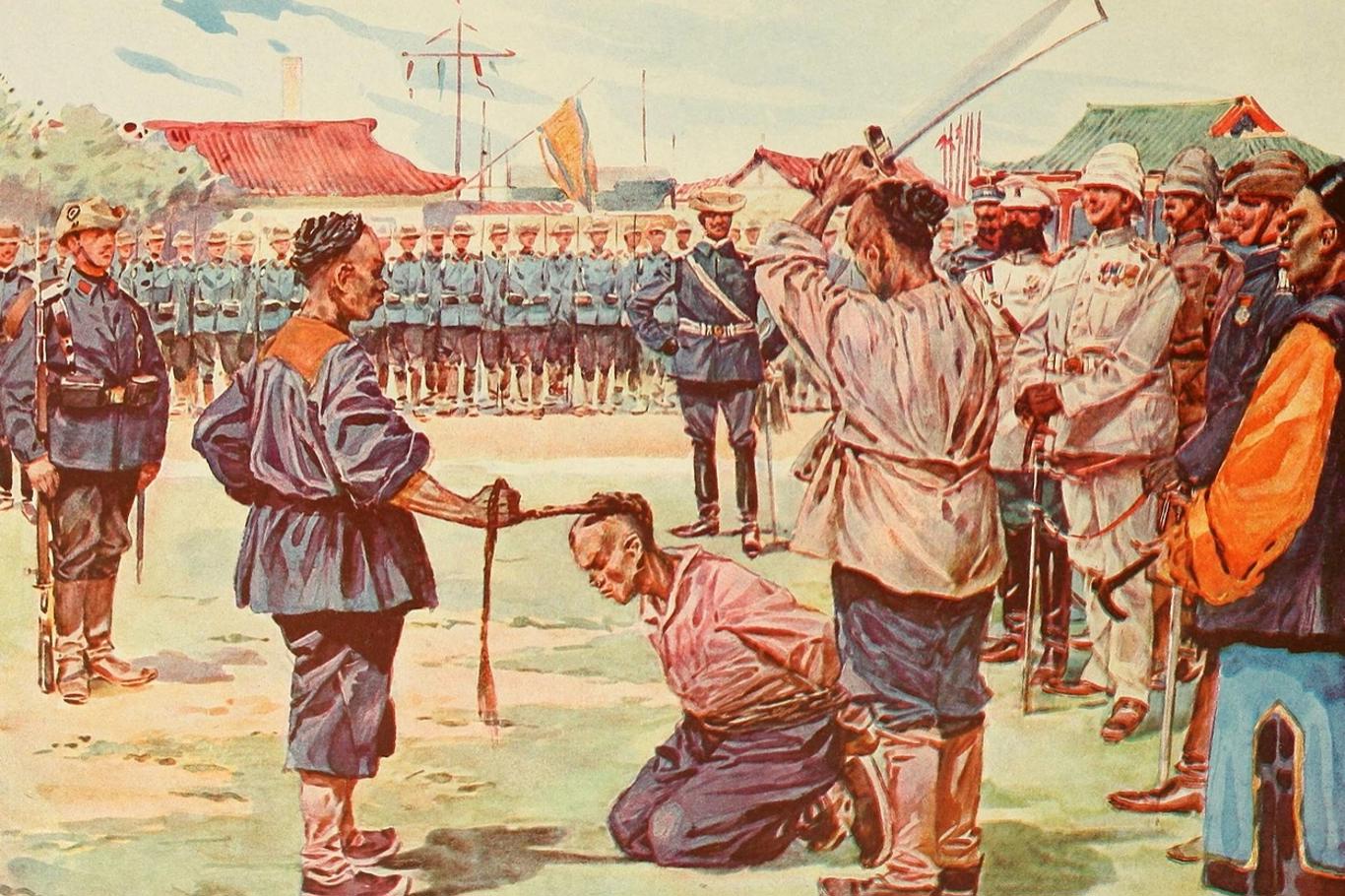
Throughout China’s long history, uprisings and rebellions have often been credited to famous leaders, yet countless lesser-known figures played crucial roles in shaping these movements. These hidden rebels came from different backgrounds, including farmers, scholars, artisans, and even former soldiers. Their contributions reveal how ordinary people influenced major turning points across dynastic cycles. Understanding these forgotten individuals helps explain why certain uprisings gained momentum while others faded quickly. Their stories also add depth to China’s social history, showing how communities responded to hardship and injustice in different eras.
Local leaders who sparked regional revolts
Many historic uprisings did not begin with national level commanders but with local leaders who understood the needs and frustrations of their communities. During periods of famine, heavy taxation or political corruption, these individuals gathered support by offering protection and hope. In several dynasties, regional uprisings began when farmers and laborers rallied behind a respected village elder or a charismatic organizer. Though history books often show only the final outcomes, early momentum came from these local figures who were willing to challenge powerful authorities. Their bravery inspired people to take risks for the possibility of change.
Scholars who shaped rebellion through ideas
Not all rebels fought with weapons. Many used their knowledge to influence movements with powerful ideas. During the late Ming and early Qing periods, scholars who opposed unjust policies wrote essays, poems and letters that circulated among the population. Their writings questioned the legitimacy of rulers who failed to protect their subjects from suffering. These scholars encouraged moral resistance and gave people intellectual reasons to support uprisings. Even if they never led armies, their work helped shape the beliefs and motivations of entire groups. Their influence proves that ideas can be as impactful as physical action in moments of crisis.
Women who defied tradition to support revolts
When discussing Chinese uprisings, women are often overlooked despite their important contributions. In many regions, women helped rebels by managing supplies, spreading messages or protecting families left behind by fighters. Some even took on leadership roles during times of conflict. Stories from various periods tell of women who organized secret networks to move food, weapons and information across borders. Others provided shelter to rebels when authorities tightened control. Although their names rarely appear in official records, their courage and resourcefulness played a major part in sustaining resistance movements that might otherwise have collapsed.
Artisans and workers who accelerated momentum
Skilled workers in cities and markets often became supporters of uprisings because economic pressures affected them directly. Rising prices, unfair taxes and declining job opportunities pushed artisans to join protests or assist rebel groups. Their involvement strengthened movements because they brought practical skills such as metalwork, carpentry and engineering. In some uprisings, blacksmiths forged weapons, carpenters built defensive structures and traders organized supply systems. Their contributions show that rebellions were collective efforts involving entire communities, not only military leaders or political activists.
Ordinary people who altered the course of history
The success of many historic uprisings depended on the everyday individuals who joined out of necessity or conviction. Farmers who provided food, villagers who hid fugitives and travelers who carried messages between regions all played roles in shaping outcomes. Although they rarely received recognition, their actions influenced how rebellions unfolded and how new regimes emerged. Their involvement highlights the power of collective action in times of hardship. The stories of these forgotten rebels remind us that major historical changes often come from the determination of ordinary people working together for a better future.
Why remembering these hidden figures matters
Preserving the memory of these lesser known rebels is important for understanding China’s full historical picture. Their stories reveal how courage, resilience and community spirit shaped events across centuries. By studying their contributions, historians gain insight into the social conditions that drove people to rise against powerful authorities. These memories also help modern readers appreciate how ordinary citizens influenced the development of governance, justice and social reform. Recognizing these hidden contributors ensures that their sacrifices and efforts remain part of China’s historical narrative and inspire future generations to value the strength of unity.

