
The ongoing confrontation involving the United States, Israel, and Iran is forcing Gulf nations to reassess the foundations of their long-standing security arrangements. For decades, the presence of American military power across the region provided a sense of stability that underpinned economic growth, energy exports, and investor confidence. That framework is now being tested as missile and drone strikes linked to the conflict disrupt critical infrastructure and expose vulnerabilities in defense systems. The situation marks a significant shift in how regional security is perceived, with governments facing mounting pressure to adapt to a rapidly changing geopolitical landscape.
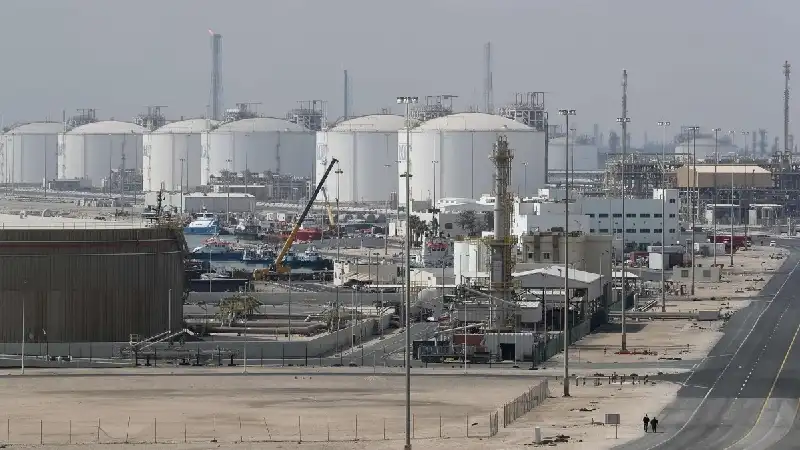
Recent attacks have targeted key civilian and energy assets across multiple Gulf states, highlighting the scale and reach of the conflict. Strategic locations including ports, airports, and energy facilities have experienced disruptions, while the Strait of Hormuz has been heavily affected by security threats that limit safe passage for oil and gas shipments. The damage to major liquefied natural gas infrastructure has raised concerns about global supply stability, as the region plays a central role in meeting international energy demand. These developments are not only regional in impact but are also sending shockwaves through global markets that depend on uninterrupted Gulf exports.
The intensity of the conflict has challenged assumptions about the effectiveness of existing defense systems and alliances. Despite the deployment of advanced interceptors and the presence of thousands of foreign troops, attacks have managed to penetrate defenses and cause widespread disruption. This has led analysts and policymakers to question whether traditional deterrence strategies remain sufficient in the face of evolving threats, particularly those involving coordinated missile and drone capabilities. The situation is prompting a broader rethink of how security frameworks should be structured in an era of asymmetric warfare and rapidly advancing military technology.
Officials and regional observers have acknowledged the seriousness of the moment, describing it as a turning point for Gulf security policy. Governments are increasingly exploring options to strengthen their own defensive capabilities while also considering new forms of regional cooperation. There is growing recognition that reliance on external security guarantees may no longer provide the level of assurance that it once did. At the same time, calls for de escalation have intensified, with concerns that continued conflict could further destabilize not only the Gulf but also the wider global economy.
Historically, the Gulf region has depended on a combination of local alliances and international partnerships to maintain stability, particularly given its importance as a global energy hub. The United States has played a central role in safeguarding shipping routes and deterring external threats, helping to ensure the steady flow of oil and gas to international markets. However, the current conflict is testing the resilience of that system, raising questions about how security responsibilities may evolve in the future and what role regional actors will play in shaping the next phase of stability.
Beyond immediate security concerns, the economic implications of the conflict are becoming increasingly evident. Disruptions to energy infrastructure and shipping routes are contributing to rising costs and uncertainty in global markets. Investors are closely monitoring the situation as volatility increases across commodities and currencies, while governments are preparing for potential long term impacts on trade and economic growth. The intersection of security and economic stability is becoming more pronounced, underscoring the importance of coordinated responses to manage both risks effectively.
The evolving situation is also influencing strategic thinking across the region, with Gulf states assessing how to balance security needs with economic priorities. Some countries are accelerating investments in domestic defense industries and exploring diversification strategies to reduce reliance on vulnerable infrastructure. Others are strengthening diplomatic engagement to manage tensions and prevent further escalation. These shifts reflect a broader recognition that the region is entering a new phase where traditional assumptions about security can no longer be taken for granted.
As the conflict continues to unfold, governments and international stakeholders are closely watching how events develop and what they may mean for the future of Gulf stability. The resilience of energy infrastructure, the safety of key shipping routes, and the effectiveness of defense systems remain central concerns. With uncertainty still high, the focus remains on containing risks while navigating a complex environment that is reshaping both regional security dynamics and global economic conditions.

