
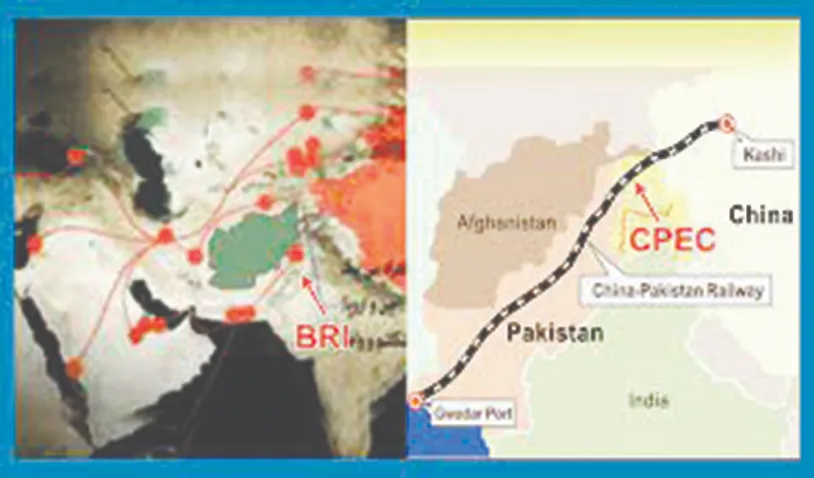
Pakistan has long been a crossroads of trade, linking Central Asia, South Asia, and the Middle East. Historical trade routes, dating back to the Silk Road, facilitated the exchange of goods, ideas, and culture across vast regions. These ancient networks laid the foundation for modern infrastructure initiatives, including the China-Pakistan Economic Corridor (CPEC). Understanding the historical evolution of trade routes provides insight into Pakistan’s strategic significance, the development of regional connectivity, and the modernization of logistics and industrial corridors under CPEC.
Ancient Silk Road Routes
The Silk Road was a network of trade routes connecting China, Central Asia, South Asia, and Europe. In present-day Pakistan, the routes passed through regions such as Gilgit-Baltistan, Quetta, and Punjab, facilitating the transport of silk, spices, precious metals, and ceramics. Caravanserais, forts, and trading posts emerged along these paths to support merchants and travelers. These trade networks enabled economic prosperity, cultural exchange, and the dissemination of technological innovations, establishing Pakistan as a critical hub for regional commerce.
Medieval Trade Networks
During the medieval period, trade routes evolved to accommodate maritime and overland commerce. Cities like Multan, Thatta, and Karachi became important centers for commerce, connecting inland production centers with ports on the Arabian Sea. Goods such as textiles, sugar, and handicrafts were transported along these networks. Trade regulations, market governance, and security measures were introduced to facilitate commerce. These developments reinforced Pakistan’s historical role as a bridge between regional economies and highlighted the importance of organized infrastructure for economic growth.
Colonial Influence on Trade Routes
The British colonial period introduced railways, roads, and ports that modernized trade networks in Pakistan. Rail lines connected inland cities to ports, improving efficiency and reducing transit times. Karachi Port became a major export hub, while roads and canals supported the movement of agricultural and industrial goods. Colonial infrastructure created the framework for modern trade corridors, demonstrating the impact of investment in logistics on industrial development and regional integration.
Transition to Modern Corridors
After independence, Pakistan continued to develop trade and transport infrastructure to connect industrial centers with ports and neighboring countries. Roads, highways, and railways were expanded to facilitate domestic commerce and regional trade. Industrial zones were established along these corridors to support manufacturing, logistics, and export-oriented industries. The historical emphasis on connectivity and infrastructure laid the groundwork for CPEC, which builds on centuries of trade and transport knowledge while integrating modern technology and investment.
CPEC and the Revival of Strategic Trade Routes
CPEC represents a modern realization of historical trade ambitions, linking Gwadar Port with industrial hubs in Punjab, Sindh, and Khyber Pakhtunkhwa. Roads, railways, and energy networks integrate industrial zones and port facilities, enabling efficient movement of goods across Pakistan and beyond. The corridor leverages historical trade knowledge while incorporating modern logistics, digital tracking, and infrastructure standards. CPEC’s industrial corridors echo the ancient Silk Road’s role in connecting regions, promoting economic growth, and facilitating cultural exchange.
Industrial Modernization Along Trade Corridors
Industrial modernization along CPEC builds on historical trade practices by combining production, logistics, and technology. Special Economic Zones (SEZs) are established to support manufacturing, energy production, and industrial services. Automation, smart logistics, and renewable energy integration ensure that industrial zones operate efficiently, sustainably, and competitively. These developments enhance trade capacity, attract investment, and create employment opportunities, reflecting the evolution of Pakistan’s trade routes from manual, traditional commerce to modern industrialized corridors.
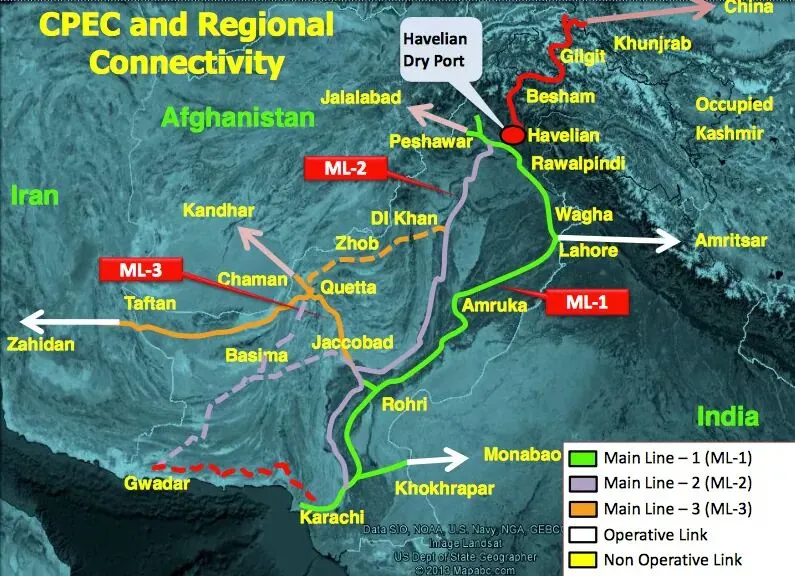
Technological Integration and Logistics Optimization
Modern trade corridors incorporate digital systems for logistics management, cargo tracking, and supply chain optimization. IoT-enabled sensors, AI-based analytics, and automated warehouses improve efficiency and reduce delays. Historical knowledge of trade flow patterns informs modern routing strategies, ensuring that goods move swiftly from industrial hubs to ports and international markets. The integration of technology in logistics mirrors centuries of experience in trade management while adapting to contemporary industrial requirements.
Cultural and Economic Impact
Trade routes historically facilitated not only commerce but also cultural exchange. Merchants, artisans, and travelers introduced new ideas, languages, and practices across regions. Modern CPEC corridors continue this tradition, connecting diverse communities, fostering cross-cultural collaboration, and supporting socio-economic development. Industrial and logistics modernization along these corridors improves quality of life, generates employment, and strengthens Pakistan’s position in regional and global trade networks.
Challenges and Strategic Considerations
Despite progress, challenges persist, including maintaining infrastructure, ensuring security, and managing environmental impacts. Effective governance, digital monitoring, and investment in sustainable practices mitigate these risks. Strategic planning ensures that modern trade corridors are resilient, efficient, and capable of handling increasing volumes of industrial and commercial activity. Learning from historical successes and failures provides valuable lessons for contemporary infrastructure and trade development.
Conclusion
The evolution of trade routes in Pakistan, from the Silk Road to modern CPEC corridors, illustrates a continuous thread of strategic connectivity and economic development. Historical infrastructure, logistical practices, and regional trade knowledge inform the modernization of industrial zones, ports, and logistics networks. By integrating technology, industrial automation, and renewable energy, CPEC revitalizes Pakistan’s role as a regional trade hub. Modern corridors build on centuries of experience, supporting industrial growth, trade facilitation, and socio-economic development while maintaining resilience, sustainability, and efficiency. Pakistan’s industrial modernization along these corridors reflects the enduring legacy of its strategic position in regional commerce and the continued importance of connectivity for economic prosperity.

