
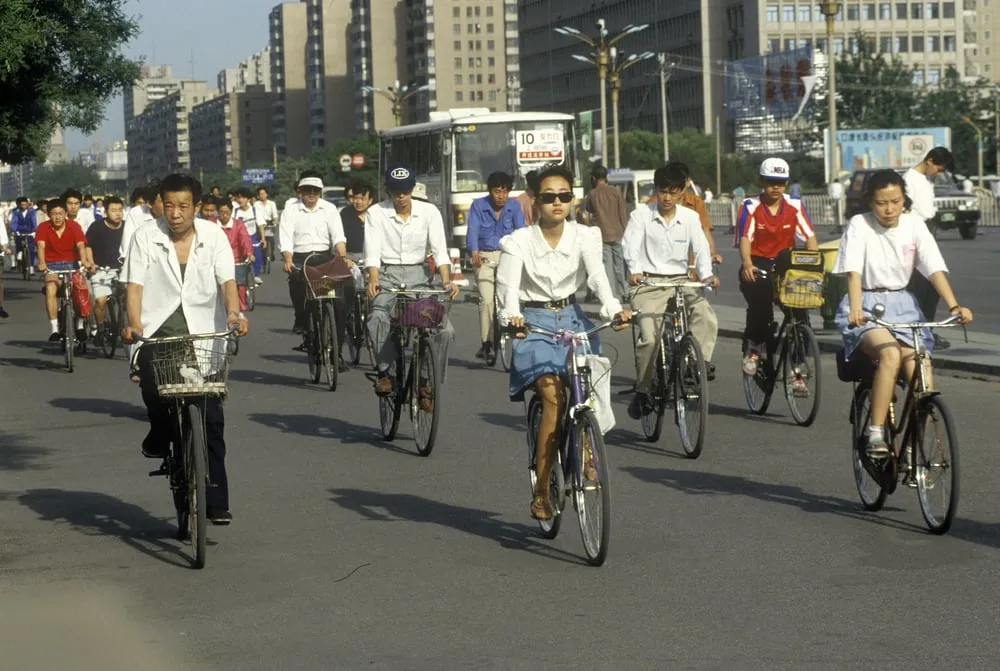
For many older Chinese citizens, the sight of bicycles streaming through city streets once symbolized daily life. Before rapid motorization, China was often called the kingdom of bicycles, with millions relying on them for work, school and errands. When cars and public transit expanded, cycling gradually lost its central place in urban mobility. Yet in recent years, bicycles have made a remarkable return to major cities such as Beijing, Shanghai, Guangzhou and Chengdu. This resurgence is driven not only by convenience but also by shifting lifestyle values, environmental awareness and a renewed appreciation for simple, human centered transportation.
The Role of Shared Bikes in Reviving Urban Cycling
The reemergence of cycling culture began with the introduction of shared bikes, which transformed the cityscape almost overnight. Platforms like Mobike and Ofo made cycling accessible to people who no longer owned bicycles, turning the mode of transportation into something communal and spontaneous. Riders could simply unlock a bike with their phone and begin their journey. While the early boom brought challenges such as overcrowded sidewalks, it also revived public interest in cycling as a practical and flexible way to navigate busy streets. Today, shared bike systems are more regulated and better maintained, making them a staple of daily commuting for millions.
A Shift Toward Health Conscious and Eco Friendly Living
As urban residents grew more health conscious, cycling gained new meaning beyond transportation. Many young professionals began using bicycles to integrate exercise into their routines, finding a natural balance between movement and mobility. The experience of riding through parks, along rivers and across newly built cycling lanes brought a sense of calm that contrasted with the demands of fast paced urban life. At the same time, China’s strong push for greener cities encouraged the shift toward low carbon alternatives. Cycling became a visible symbol of environmental responsibility, reflecting a generation that values sustainability in both personal choices and public policy.
Rediscovering Social Connection Through Cycling Communities
One of the most fascinating aspects of the cycling revival is the growth of community based riding groups. In cities across China, weekend cycling clubs bring together riders of all ages and skill levels. Some groups explore historic districts, others climb hilly suburban routes and many simply enjoy leisurely rides followed by coffee or street snacks. What began as a mode of travel has evolved into a cultural activity that fosters friendship and shared experience. Social media platforms support these groups by helping riders plan events, track routes and celebrate collective milestones. The return of cycling has therefore become a social movement as much as an urban one.
A Blending of Heritage and Modern Innovation
While old images of crowded bicycle lanes remind many of China’s past, today’s cycling culture reflects a blend of tradition and modernity. New urban designs prioritize bike friendly lanes, parking areas and safer intersections. Electric bikes have expanded access to longer commutes and hilly landscapes. Even traditional bicycle brands have adapted by releasing stylish, updated models that appeal to younger riders. This mixture of nostalgia and technological innovation has made cycling relevant again, reshaping how people think about mobility in a megacity environment. Instead of fading into memory, bicycles have reclaimed their place as an essential and meaningful part of urban life.
The return of cycling in China’s major cities tells a larger story about changing lifestyles and values. As people seek healthier routines, greener choices and deeper social connections, the bicycle has reemerged not just as a vehicle but as a symbol of balance in a rapidly evolving society. What was once a necessity has now become a choice that reflects modern priorities while honoring a familiar past.

