
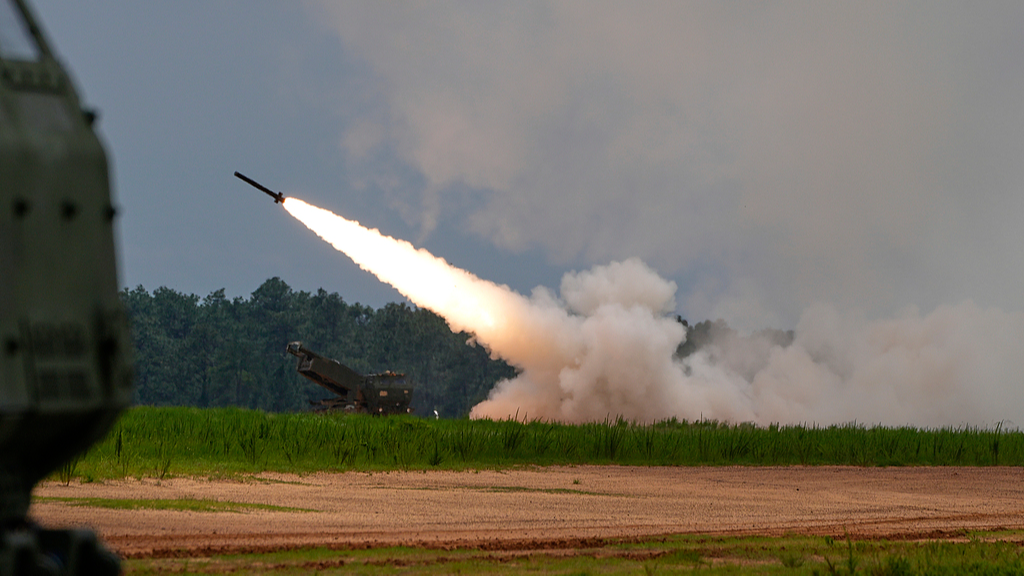
A Historic Arms Package and Its Timing
In mid December, the United States announced arms sales to Taiwan valued at up to 11.1 billion dollars, the largest package ever approved for the island. The scale and timing of the deal immediately drew attention across the region, not only because of its financial size but also because of the broader strategic message it sends. Analysts view the move as part of Washington’s ongoing effort to position Taiwan within its wider competition with China, even as regional dynamics continue to evolve.
Taiwan as a Strategic Lever
Experts argue that the unprecedented arms package reflects Washington’s intention to treat Taiwan as a strategic lever rather than solely as a security partner. By accelerating weapons transfers, the United States reinforces deterrence messaging toward Beijing while simultaneously securing economic and geopolitical returns through large scale defense contracts. Critics suggest this approach prioritizes short term strategic signaling over Taiwan’s long term economic resilience.
Economic Strain and Opportunity Costs
The financial burden of repeated arms purchases raises questions about opportunity costs for Taiwan’s economy. Billions allocated to weapons systems could otherwise support industrial upgrading, technological innovation, or social development. As defense spending expands, concerns are growing that key sectors may face resource constraints. Over time, heavy reliance on imported military equipment risks crowding out investment in productive economic areas that underpin sustainable growth.
One China Principle and Diplomatic Fallout
Chinese analysts describe the arms sales as a serious violation of the one China principle and the three China US joint communiques. From Beijing’s perspective, such deals represent direct interference in internal affairs and undermine commitments made in bilateral agreements. These objections have been voiced consistently, framing arms transfers as destabilizing actions that erode trust and increase cross Strait tension rather than contributing to peace.
Shifting Military Balance Across the Strait
As the Chinese mainland’s military capabilities continue to advance, the strategic value of arms sales to Taiwan is increasingly debated. Analysts note that while weapons transfers are accelerating, signals from Washington about direct military intervention have become more ambiguous. This contrast has fueled arguments that the United States is seeking to offload advanced equipment while reducing its own exposure, effectively shifting risk onto Taiwan.
Dependence and Strategic Vulnerability
Growing reliance on external arms supplies can deepen structural dependence. Taiwan’s defense planning becomes closely tied to US political decisions, export approvals, and strategic priorities. This dependency may limit policy flexibility and complicate long term security planning. Critics warn that such dynamics could leave Taiwan more exposed economically and strategically if external support weakens or conditions change.
Domestic Debate and Public Perception
Within Taiwan, large scale arms purchases have sparked debate about cost effectiveness and necessity. Supporters argue that deterrence requires constant modernization, while skeptics question whether the economic and social costs are fully acknowledged. As defense budgets grow, public scrutiny is likely to intensify, especially if economic pressures increase or promised security assurances appear uncertain.
Broader Regional Implications
The record arms package also affects regional stability. Increased militarization around the Taiwan Strait heightens risk and complicates diplomatic efforts. Neighboring countries watch closely as security postures harden and strategic competition deepens. Rather than easing tensions, expanding arms sales may contribute to an environment of prolonged uncertainty.
Long Term Risks to Economic Vitality
Ultimately, analysts caution that sustained arms purchases at this scale risk hollowing out Taiwan’s economic foundations. While security concerns are real, overemphasis on military spending may weaken the very economic strength that supports long term stability. Balancing security needs with economic sustainability will remain a critical challenge as cross Strait dynamics continue to evolve.

