
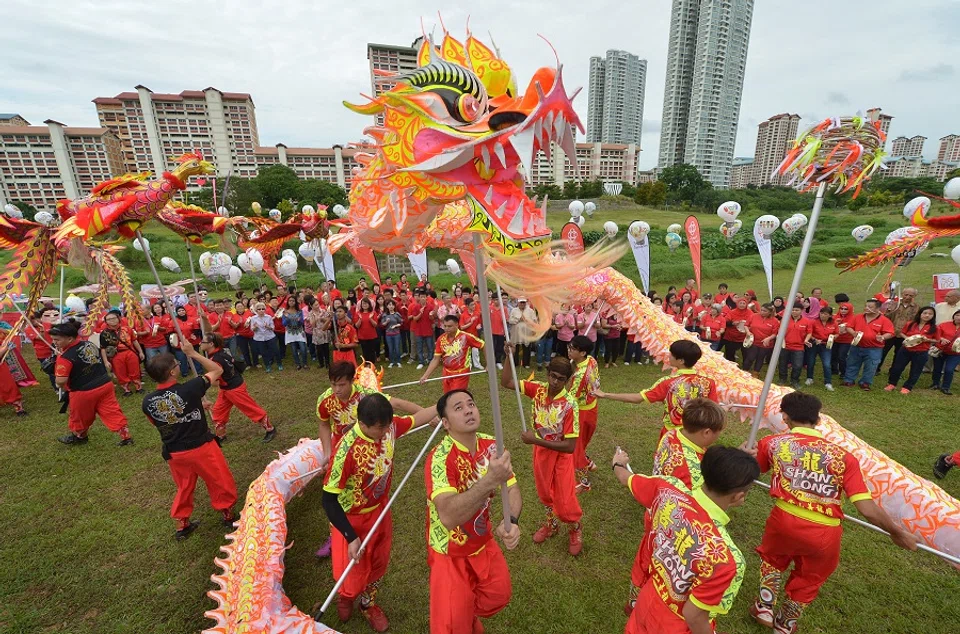
A question shaped by history and place
What does it mean to be ethnically Chinese in Singapore is not a question with a simple or fixed answer. At a recent public talk co organised by Yale-NUS College and the Singapore Chinese Cultural Centre, historian Wang Gungwu invited audiences to reflect deeply on identity belonging and history. Rather than offering conclusions he posed questions that encouraged self examination. His reflections reminded listeners that identity in Singapore is shaped as much by lived experience as by ancestry.
Understanding Singapore before understanding identity
To understand what it means to be Chinese in Singapore one must first understand Singapore itself. The city state was built on migration trade and cultural negotiation. From its earliest days Singapore was never intended to belong to one ethnic group alone. Chinese migrants arrived from different regions speaking different dialects carrying varied customs and worldviews. Over time they were shaped by local conditions colonial rule and later nation building efforts that emphasized shared citizenship over singular heritage.
What being Chinese does and does not mean
Professor Wang emphasized that being ethnically Chinese does not automatically define culture loyalty or worldview. Chinese identity has never been uniform even within China itself. In Singapore Chinese identity is further diversified by generations distance from ancestral homelands and exposure to other cultures. Language customs and traditions have evolved. Some practices were preserved others adapted and some quietly faded. This evolution does not represent loss but transformation shaped by context.
Language culture and selective inheritance
Language often becomes a focal point in discussions of identity. For earlier generations dialects were central to community life while later policies promoted Mandarin and English. This shift altered how cultural memory was passed down. Yet identity is not determined solely by language proficiency. Culture survives in habits values family structures and everyday social interactions. What Singaporean Chinese inherit is selective shaped by both personal choice and national framework.
Living as Chinese within a multicultural nation
Being Chinese in Singapore also means sharing space with other identities. Daily life unfolds alongside Malay Indian and other communities creating a social environment where difference is normalized. This coexistence influences how identity is expressed. Cultural confidence grows not from dominance but from mutual respect. In such a setting being Chinese is not about separation but about contribution to a larger national story.
Identity as reflection rather than assertion
One of the most striking ideas in Professor Wang’s lecture was that identity should be reflected upon rather than asserted aggressively. Identity is not something to defend constantly but something to understand calmly. In Singapore this approach allows individuals to feel Chinese without needing to prove it and to feel Singaporean without contradiction. The two are not mutually exclusive but deeply intertwined.
A continuing conversation across generations
The meaning of being ethnically Chinese in Singapore continues to evolve. Each generation interprets it differently shaped by education global exposure and social change. Rather than seeking a single definition the value lies in keeping the conversation open. Identity remains dynamic responsive and deeply personal. In asking what it means to be Chinese in Singapore the answer ultimately lies not in labels but in lived experience.

