
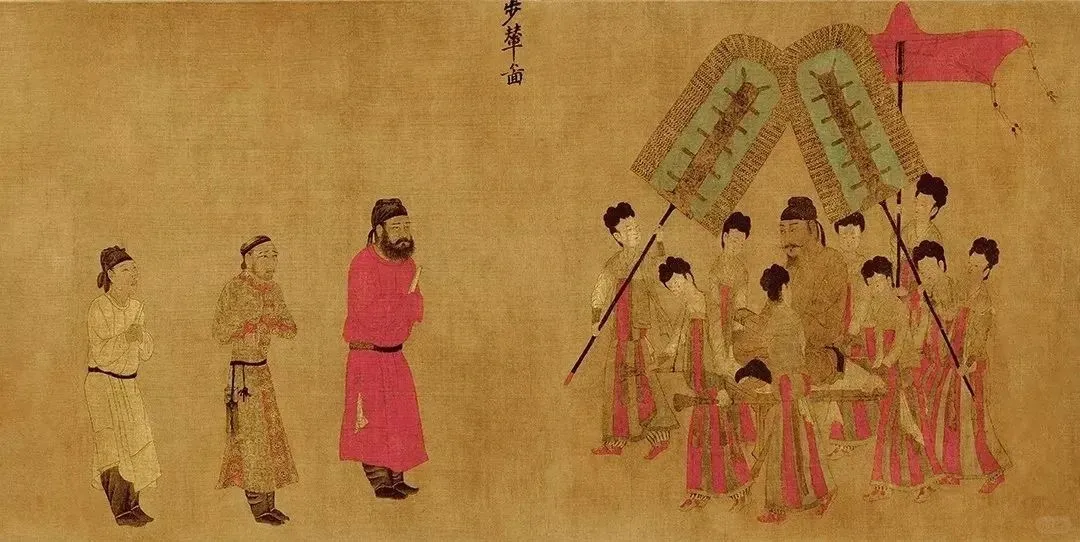
The Tang Dynasty is often remembered as one of the brightest periods in Chinese history, marked by cultural vibrancy, economic strength and remarkable openness to the outside world. Founded in 618 CE, it quickly became a powerful empire known for its stability and sophistication. Cities flourished, long distance trade expanded and the arts reached extraordinary levels of refinement. Chang’an, the capital, was one of the largest and most cosmopolitan cities on earth, attracting merchants, scholars and travelers from across Asia and beyond. Life during the Tang Dynasty reflected a confidence and curiosity that shaped the cultural identity of China for centuries.
A thriving center of cultural exchange
What made the Tang Dynasty truly exceptional was its embrace of diverse influences. Through the Silk Road, China exchanged goods, technologies and ideas with Persia, India, Central Asia and the Arab world. Foreign musicians played in imperial courts, Central Asian fashions inspired clothing trends and new foods and drinks appeared in daily life. Buddhism, which had entered China centuries earlier, reached new heights during this era. Magnificent temples, intricate sculptures and profound philosophical texts flourished under imperial support. At the same time, Daoism and Confucianism maintained their importance, creating a rich environment where multiple traditions coexisted and shaped each other.
Literature, art and innovation
The Tang Dynasty is celebrated as a golden age of Chinese literature, especially poetry. Poets such as Li Bai, Du Fu and Wang Wei wrote verses that captured the beauty of nature, the pains of war and the complexity of human emotions. Their works remain central to Chinese culture and continue to influence writers around the world. Painting and calligraphy also blossomed, with artists exploring new forms that highlighted natural landscapes and expressive brushwork. Advances in printing technology made books more accessible, contributing to the spread of knowledge. These artistic achievements reflected a society that valued creativity and intellectual life.
Governance and social order
The political system of the Tang Dynasty became a model for future generations. The government expanded and refined the civil service examination system, allowing talented individuals to rise through merit rather than family status. This helped strengthen the bureaucracy and created opportunities for social mobility. The legal code established during this period became one of the most influential in East Asia and served as a reference for neighboring states. Although the Tang enjoyed long periods of stability, the court also faced challenges, including power struggles and regional rebellions. Still, the dynasty’s administrative framework proved resilient and continued to guide governance even after its eventual decline.
The cosmopolitan life of Tang cities
Everyday life in major Tang cities was lively and colorful. Markets overflowed with exotic goods such as spices, jewels, textiles and musical instruments. Tea drinking grew more popular and gradually became an important cultural practice. People from different regions lived and worked side by side, creating a spirited urban atmosphere unmatched in earlier periods. Entertainment thrived, from dance performances and storytelling to shadow puppetry and outdoor festivals. Women in upper class society enjoyed greater social presence than in many other periods, participating in cultural activities and managing household affairs with more independence.
The enduring influence of the Tang Dynasty
Although the Tang Dynasty came to an end in 907 CE, its influence continues to shape Chinese identity. Its openness to new ideas, achievements in literature and art and sophisticated governance left a lasting imprint on Chinese civilization. The admiration for the Tang era is still evident in how Chinese culture presents itself today, often drawing inspiration from its elegance and cosmopolitan spirit. By connecting China with the broader world and embracing innovation, the Tang Dynasty helped shape a legacy that remains central to the story of China.

