
Pakistan and China have stepped up diplomatic coordination as tensions in West Asia continue to rise following intensified United States military strikes on Iran. Pakistan’s Deputy Prime Minister and Foreign Minister Ishaq Dar held a strategic phone conversation with Chinese Foreign Minister Wang Yi on Tuesday to discuss the rapidly evolving situation. During the exchange, both leaders reviewed developments in the region and emphasized the urgent need to reduce tensions before the conflict spreads further. The discussion highlighted growing international concern over the potential regional and economic consequences of continued military escalation in one of the world’s most sensitive geopolitical regions.
During the conversation, Pakistan shared its perspective on the unfolding crisis and stressed the importance of immediate diplomatic efforts to calm the situation. According to officials familiar with the discussion, Dar highlighted the need for dialogue and restraint among all parties involved in the conflict. China welcomed Pakistan’s constructive diplomatic approach and acknowledged Islamabad’s efforts to promote regional stability. Both sides agreed that peaceful engagement and diplomacy must remain the primary tools for resolving tensions, especially when military actions risk destabilizing wider regions that are already facing political and economic pressures.
The two foreign ministers also reaffirmed their commitment to strengthening the longstanding strategic partnership between Pakistan and China. Officials noted that the call reflected the close coordination that has long characterized relations between the two countries on regional and international issues. Both governments agreed to remain in close contact as the situation develops and to continue consultations aimed at supporting diplomatic initiatives that encourage dialogue. Analysts say the conversation demonstrates how both countries are attempting to prevent the crisis from expanding into a broader regional confrontation that could affect multiple countries across the Middle East and beyond.
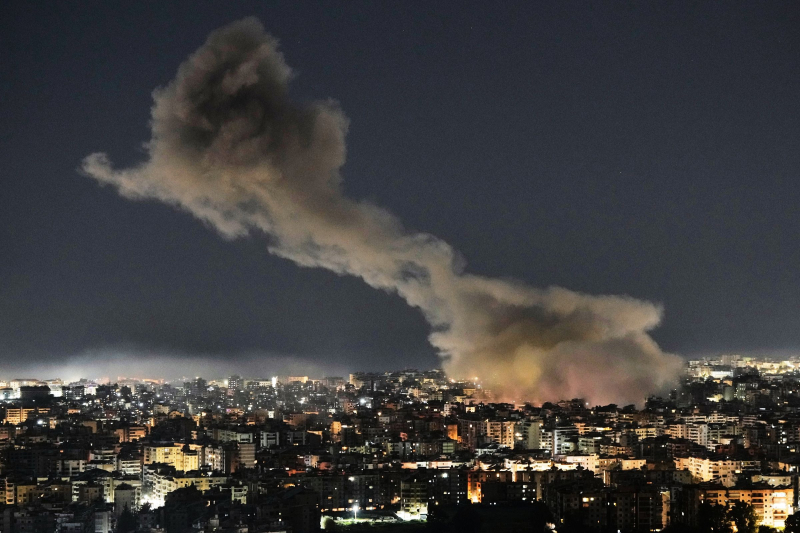
The diplomatic engagement comes as the United States has signaled a further escalation of its military campaign against Iran. Senior American defense officials said that the latest wave of operations would involve some of the most intense strikes since the conflict began more than a week ago. Officials indicated that the attacks are targeting strategic military infrastructure as part of ongoing operations. At the same time, military commanders suggested that certain Iranian missile and drone attacks have decreased compared with the early phase of the conflict, though tensions remain extremely high across the region.
The widening conflict has already begun to impact global energy markets, with crude oil prices climbing above one hundred dollars per barrel amid fears that supply routes in the Gulf region could be disrupted. Analysts warn that further escalation could threaten shipping lanes and critical energy infrastructure, creating ripple effects across international markets. Countries heavily dependent on imported energy are particularly concerned about rising fuel costs and inflationary pressures that could follow if the conflict continues. Governments and financial institutions are closely monitoring the situation as geopolitical risks increase across the region.
Pakistan’s leadership has also addressed the domestic implications of the global crisis. In a recent national address, Prime Minister Shehbaz Sharif spoke about the broader economic challenges arising from international instability and urged citizens to use fuel responsibly as energy prices rise globally. Officials in Islamabad have indicated that the government is carefully assessing the situation while maintaining diplomatic engagement with key international partners. Policymakers believe that coordinated diplomatic efforts among major regional stakeholders remain essential to preventing the crisis from deepening.
Observers say the conversation between Pakistan and China reflects wider international concern that continued military escalation could trigger broader geopolitical consequences. Both countries have consistently advocated dialogue and political solutions to regional conflicts, emphasizing respect for international law and the principles outlined in the United Nations Charter. As the situation continues to evolve, diplomats from several countries are expected to intensify consultations in an effort to encourage de escalation and stabilize a region that remains central to global security and energy supply.

