
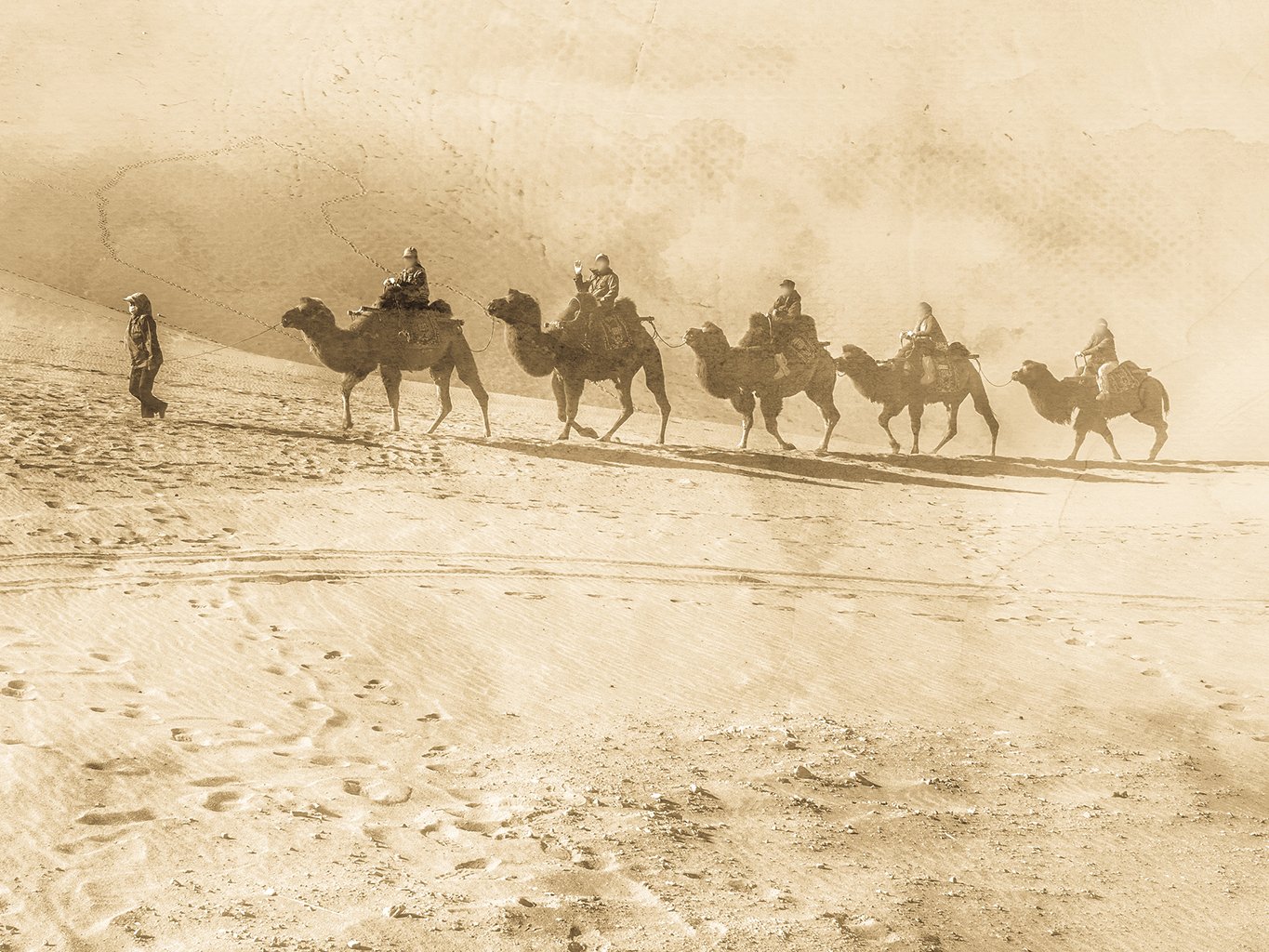
The Birth of a Transcontinental Network
The Silk Roads were not a single road but a vast network of land and sea routes that linked China with Central Asia the Middle East Africa and Europe. These connections began to take shape during the Han Dynasty and expanded over centuries as empires rose and fell. What started as a practical need for trade gradually became one of the most influential systems of cultural exchange in human history.
Why the Silk Roads Emerged
China’s early empires possessed highly valued goods that were rare or unknown elsewhere. Silk was the most famous among them prized for its beauty and durability. Demand for Chinese silk encouraged long distance trade and pushed merchants to cross deserts mountains and foreign territories. At the same time China sought horses precious metals and new technologies from the west creating mutual dependence between distant regions.
Empires as Enablers of Exchange
Large and stable empires played a crucial role in sustaining Silk Road activity. The Han Dynasty secured routes through Central Asia while later empires such as the Tang expanded diplomatic and military presence along key corridors. These states provided protection built infrastructure and established trade regulations. Without imperial support the Silk Roads could not have functioned on such a vast scale.
More Than Trade Goods
While silk spices and ceramics traveled along these routes the exchange went far beyond material goods. Religions such as Buddhism entered China through Silk Road monasteries and travelers. Artistic styles scientific knowledge medical practices and even musical instruments moved between civilizations. This flow of ideas reshaped societies on both ends of the network making the Silk Roads a channel of shared human development.
Cities That Became Cultural Crossroads
Trade hubs flourished along the routes serving as meeting points for merchants scholars and pilgrims. Cities such as Dunhuang became centers of translation art and religious life. These urban spaces reflected a blending of languages beliefs and customs. Life along the Silk Roads was often multilingual and multicultural challenging the idea of isolated ancient civilizations.
Risks and Rewards of Long Distance Trade
Travel along the Silk Roads was dangerous and unpredictable. Merchants faced harsh climates bandit attacks and political instability. Yet the potential rewards were immense. Successful traders gained wealth and social status while states benefited from taxes tribute and diplomatic relationships. These risks and rewards shaped a professional class of merchants who became vital connectors between empires.
Decline and Transformation
The Silk Roads did not disappear suddenly but gradually changed as political conditions shifted. The fall of empires disruptions caused by war and the rise of maritime trade routes reduced reliance on overland connections. However the legacy of centuries of exchange had already transformed Eurasia leaving lasting cultural and economic ties.
Why the Silk Roads Still Matter
The Silk Roads demonstrate that ancient China was never isolated. Instead it was deeply connected to a wider world through commerce diplomacy and shared curiosity. These routes helped spread Chinese influence while also bringing foreign ideas into China. In many ways the Silk Roads represent an early form of globalization showing how cooperation and exchange shaped civilizations long before the modern era.

