
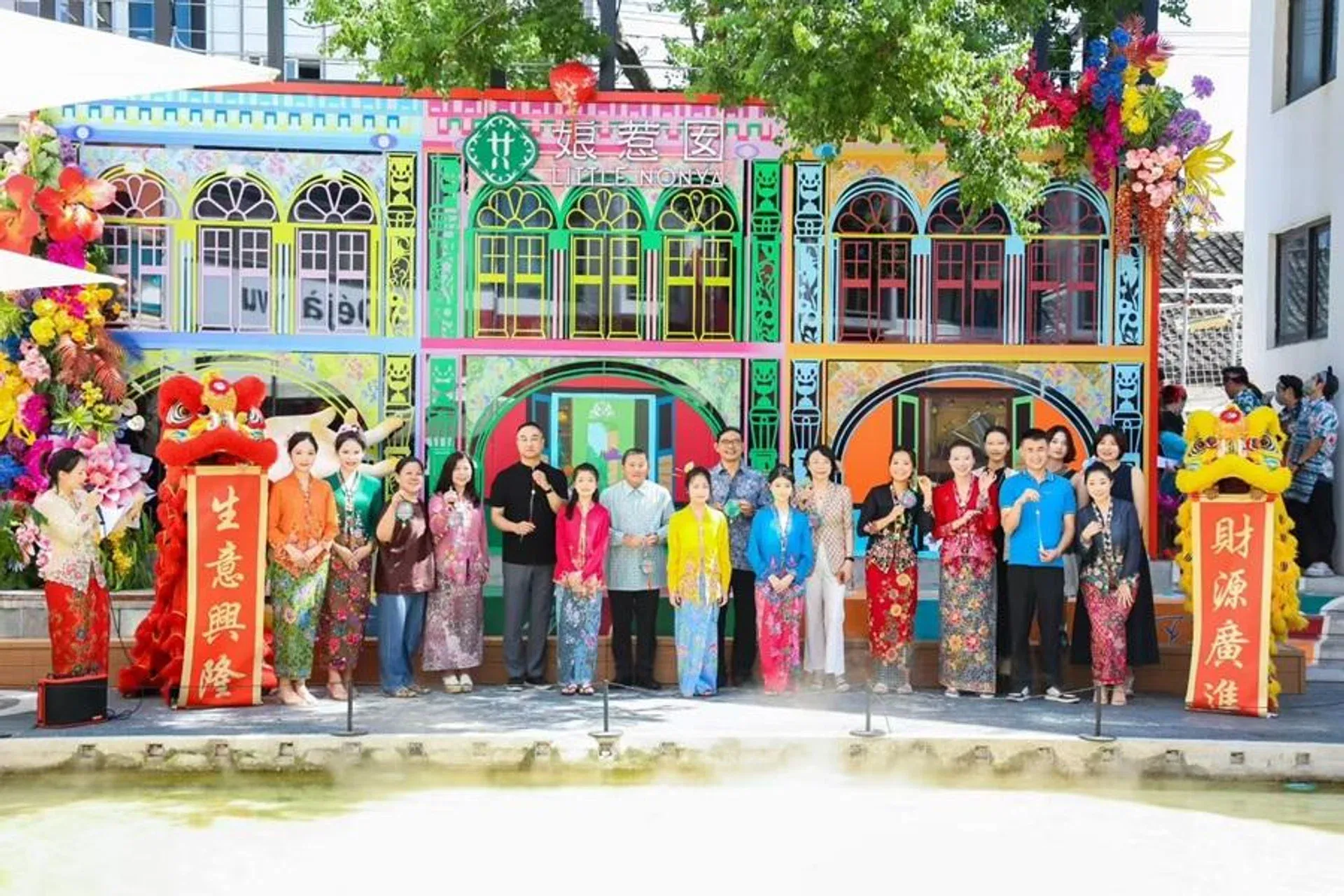
A heritage cuisine crossing borders
Nyonya cuisine has long been associated with family kitchens inherited recipes and the blending of cultures in Southeast Asia. Rooted in Peranakan tradition it combines Chinese culinary foundations with Malay spices techniques and ingredients. For years many believed this cuisine was too niche to travel far beyond its place of origin. Yet shifting consumer tastes in China have begun to challenge that assumption as interest grows in culturally rich food experiences that carry history as well as flavour.
Seeing opportunity where others saw risk
When Singaporean entrepreneur Liao Xuemin decided to introduce Nyonya treats to China she faced doubt from multiple directions. Skeptics argued that Chinese consumers might struggle to place the cuisine within familiar categories. Instead of focusing on what made Nyonya different Liao concentrated on what felt instinctively familiar. Rice coconut pandan and slow handcrafted preparation are all elements deeply rooted in Chinese food culture making the transition less dramatic than critics expected.
Building Little Nonya as a cultural bridge
Little Nonya was never positioned simply as a foreign dessert brand. From the beginning it was framed as a story of heritage craftsmanship and shared culinary memory. Store interiors draw inspiration from Peranakan colour palettes while packaging emphasizes tradition and care rather than trendiness. This careful branding allowed customers to feel they were reconnecting with something emotionally resonant rather than experimenting with something exotic.
Adapting to local tastes without losing identity
Success required careful adjustment but not compromise. Sweetness levels were moderated textures refined and portion sizes adapted to local consumption habits. These changes were subtle and deliberate ensuring the soul of Nyonya cuisine remained intact. Rather than diluting identity the brand refined its expression. Customers could still sense the Singaporean roots of the desserts while enjoying flavours that fit naturally into their daily routines.
Scaling growth through consistency and trust
Today Little Nonya operates ten outlets across multiple Chinese cities. This expansion reflects disciplined execution rather than rapid experimentation. Ingredient sourcing production standards and staff training follow tightly controlled processes. In a market where food trends can disappear quickly consistency has proven to be a powerful competitive advantage. Customers return not only for taste but for reliability and familiarity.
Why Nyonya flavours resonate in modern China
The appeal of Nyonya treats lies in emotional overlap. Many Chinese consumers associate rice based desserts with childhood family kitchens and festival moments. The Southeast Asian influence adds a layer of novelty without creating distance. This blend of nostalgia and discovery aligns well with a generation increasingly drawn to heritage foods that feel both comforting and meaningful.
Food as quiet cultural exchange
Little Nonya’s journey shows how food can act as a subtle form of cultural dialogue. Without aggressive marketing or explanation it introduces Singapore’s Peranakan heritage into everyday Chinese life. The brand’s success demonstrates that confidence in cultural roots combined with sensitivity to local preferences can turn skepticism into acceptance. In the end Nyonya cuisine did not need to persuade. It simply needed to be tasted.Singapore culture Nyonya cuisine food entrepreneurship China markets

