
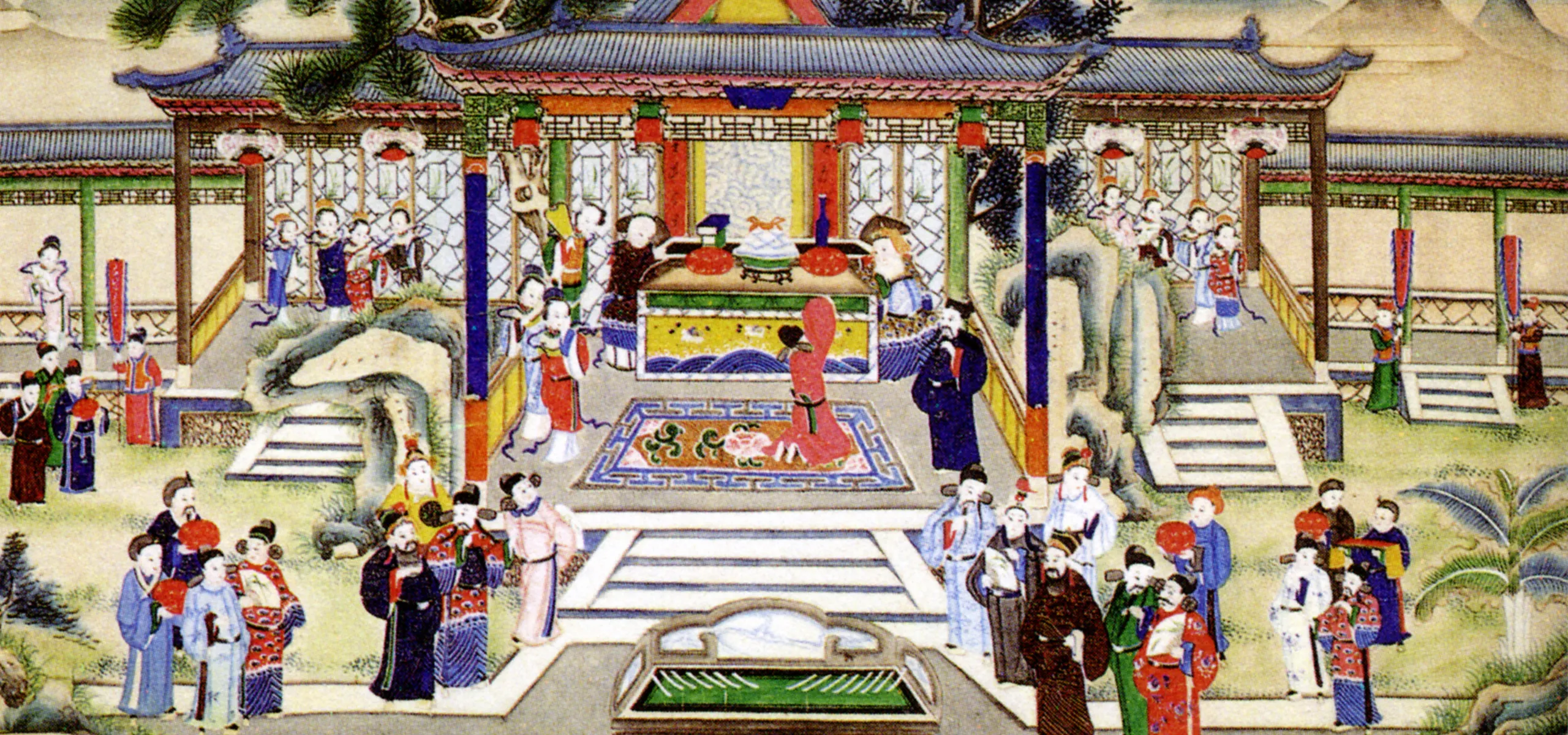
A Dynasty That Rebuilt and Endured
Following the collapse of the Qin Dynasty, China entered a brief period of instability before the rise of the Han Dynasty in 206 BCE. The Han rulers inherited a unified empire but faced the challenge of restoring public trust after years of harsh rule. By blending strong central authority with more humane governance, the Han established a stable system that would last over four centuries and become a benchmark for Chinese civilization.
Balancing Power With Compassion
One of the Han Dynasty’s defining strengths was its ability to soften Qin centralization without dismantling it. Legalist administrative structures were retained, but they were tempered by Confucian values emphasizing morality, education, and social responsibility. This balance created a government that was efficient yet more acceptable to the population, allowing the state to govern vast territories with relative stability.
Confucianism as State Philosophy
During the Han period, Confucianism evolved from a school of thought into the official ideology of the state. Scholars were recruited to serve as officials based on learning and ethical conduct rather than noble birth alone. This laid the groundwork for a merit based bureaucracy that would dominate Chinese governance for centuries. Confucian teachings shaped laws, education, and family life, embedding moral order deeply into society.
Expansion and the Opening of the Silk Road
The Han Dynasty significantly expanded China’s borders through military campaigns and diplomacy. These efforts opened routes that later became known as the Silk Road, connecting China with Central Asia, the Middle East, and beyond. Through these exchanges, silk, ideas, technologies, and beliefs flowed across continents. This outward engagement transformed China from a regional power into a key participant in early global interaction.
Economic Growth and Technological Progress
Agriculture flourished under Han rule due to improved tools, irrigation systems, and state support for farming communities. Iron production expanded, increasing efficiency in both agriculture and warfare. Paper was invented during this period, revolutionizing record keeping and communication. These innovations strengthened the economy and enhanced administrative control, reinforcing the dynasty’s long term stability.
Social Structure and Daily Life
Han society was carefully structured around family hierarchy and social roles. Filial piety became a central value, shaping relationships within households and communities. While elites enjoyed education and official positions, peasants formed the backbone of the empire through agriculture and labor. Despite social divisions, the Han system promoted a shared cultural identity that unified diverse populations under imperial rule.
Cultural Identity and Historical Memory
The influence of the Han Dynasty extended far beyond its political lifespan. Many Chinese people continue to identify themselves as Han, reflecting the dynasty’s lasting cultural legacy. Historical writing flourished during this era, with scholars documenting events, institutions, and moral lessons. These records shaped how Chinese history was understood and preserved.
Why the Han Dynasty Still Shapes China
The Han Dynasty defined what it meant to be Chinese in governance, culture, and identity. Its blend of centralized administration, Confucian ethics, economic innovation, and global engagement created a model that later dynasties sought to emulate. More than a period of prosperity, the Han era became the foundation upon which two thousand years of Chinese civilization were built.

