
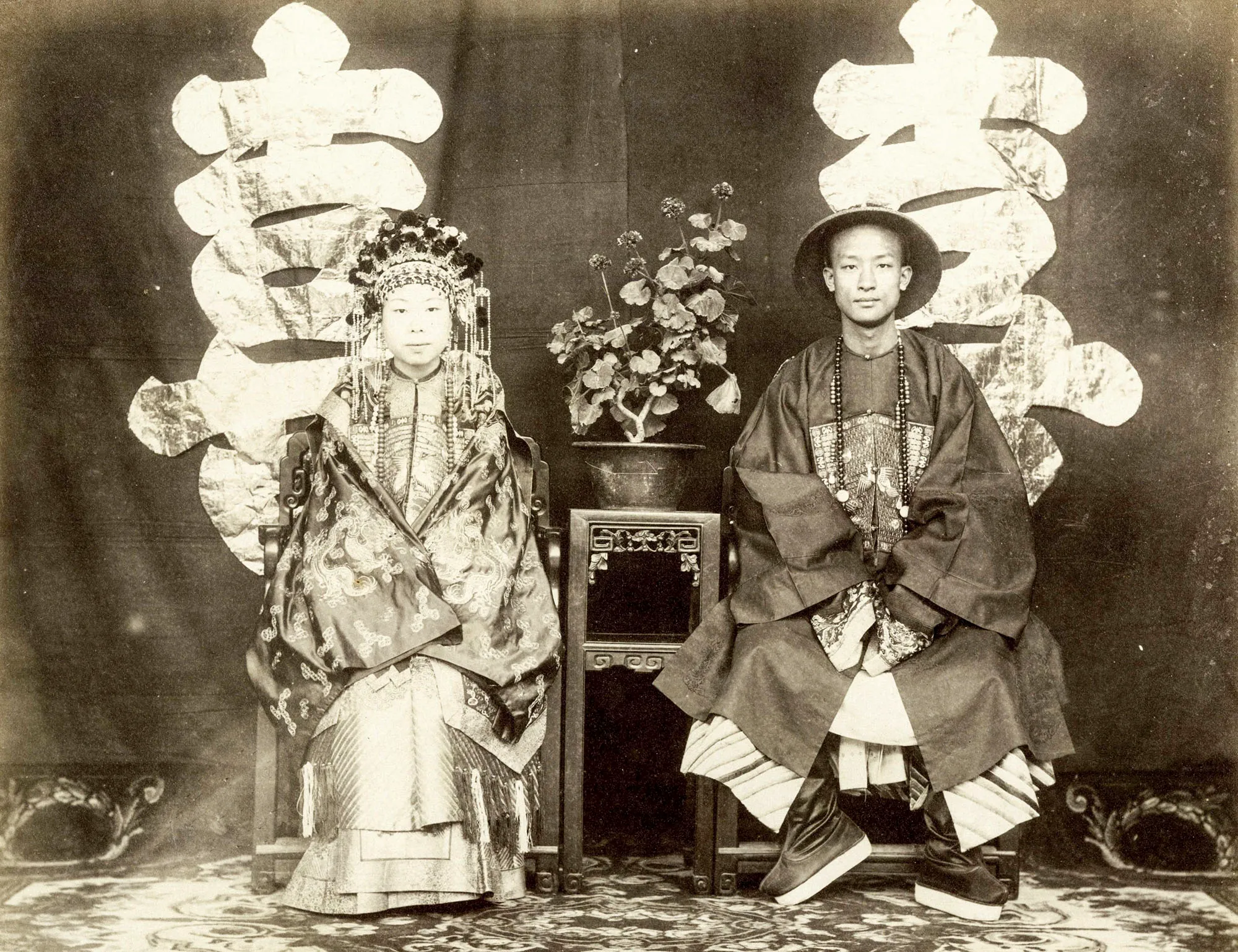
The final century of the Qing Empire was a period marked by profound uncertainty, internal turmoil and external pressure. Once a powerful dynasty that governed a vast and diverse territory, the Qing found itself facing challenges that no traditional system could easily withstand. From population growth and fiscal strain to foreign invasions and ideological upheaval, China’s rulers struggled to navigate a rapidly changing world. What emerged was a century defined by attempts at reform, waves of public resistance and ultimately the collapse of imperial rule.
Foreign powers force open the empire’s doors
By the early nineteenth century, Western industrial powers began to exert unprecedented pressure on China. The Opium Wars exposed the Qing military’s weaknesses and forced the empire to sign unequal treaties that opened ports, ceded territory and weakened sovereignty. Each conflict deepened the sense of crisis.
Foreign merchants, missionaries and diplomats reshaped China’s coastal landscape, while indemnities strained the imperial treasury. These pressures eroded public confidence in the dynasty and fueled debates within the court about how to respond. The arrival of new technologies and global trade threatened traditional ways of governing and exposed China’s vulnerability in a world reorganizing around industrial power.
Reformers push for change, conservatives resist
To confront these challenges, Qing officials launched several reform initiatives. The Self Strengthening Movement sought to modernize the military, adopt Western technologies and build new industries. Shipyards, arsenals, schools and railways began to appear across the empire. Yet reforms remained often incomplete, limited by political factionalism and resistance from those who feared that modernization would undermine traditional authority.
The Hundred Days’ Reform of 1898 marked a bold but short lived attempt to transform China into a constitutional monarchy, modernize education and strengthen the bureaucracy. Its swift reversal exposed the deep fractures within the ruling elite, leaving reformists disillusioned and conservatives emboldened.
Internal rebellions shake the dynasty
While foreign threats mounted, internal unrest further weakened the Qing. The Taiping Rebellion, one of the deadliest conflicts in human history, erupted in the mid nineteenth century, costing millions of lives and devastating large regions of the country. Later uprisings, including the Nian Rebellion and Muslim revolts in the northwest, strained the empire’s resources.
The Boxer Uprising at the turn of the century reflected both anti foreign sentiment and frustration with the dynasty’s inability to protect the country. The brutal suppression that followed underscored how deeply China’s sovereignty had been compromised and how urgently change was needed.
The fall of an empire and the birth of a republic
By the early twentieth century the Qing government faced a society ready for transformation. Revolutionaries, inspired by global political ideas, mobilized students, merchants and soldiers who demanded a new system of governance. The Wuchang Uprising in 1911 triggered a chain reaction that led to the collapse of imperial rule and the creation of the Republic of China.
The fall of the Qing was not merely the end of a dynasty but the end of a political order that had governed for more than two millennia. China now faced the difficult task of defining modern statehood while carrying the weight of its imperial past.
Why the Qing’s final century still matters
Understanding the last century of Qing rule is essential to understanding modern China. The struggles between reform and resistance, tradition and innovation, sovereignty and foreign influence shaped the foundations of China’s twentieth century evolution.
These historical tensions continue to resonate in contemporary debates about modernization, governance and national identity. The Qing Empire’s final century serves as a reminder of how deeply historical change is intertwined with global forces and domestic choices.

