
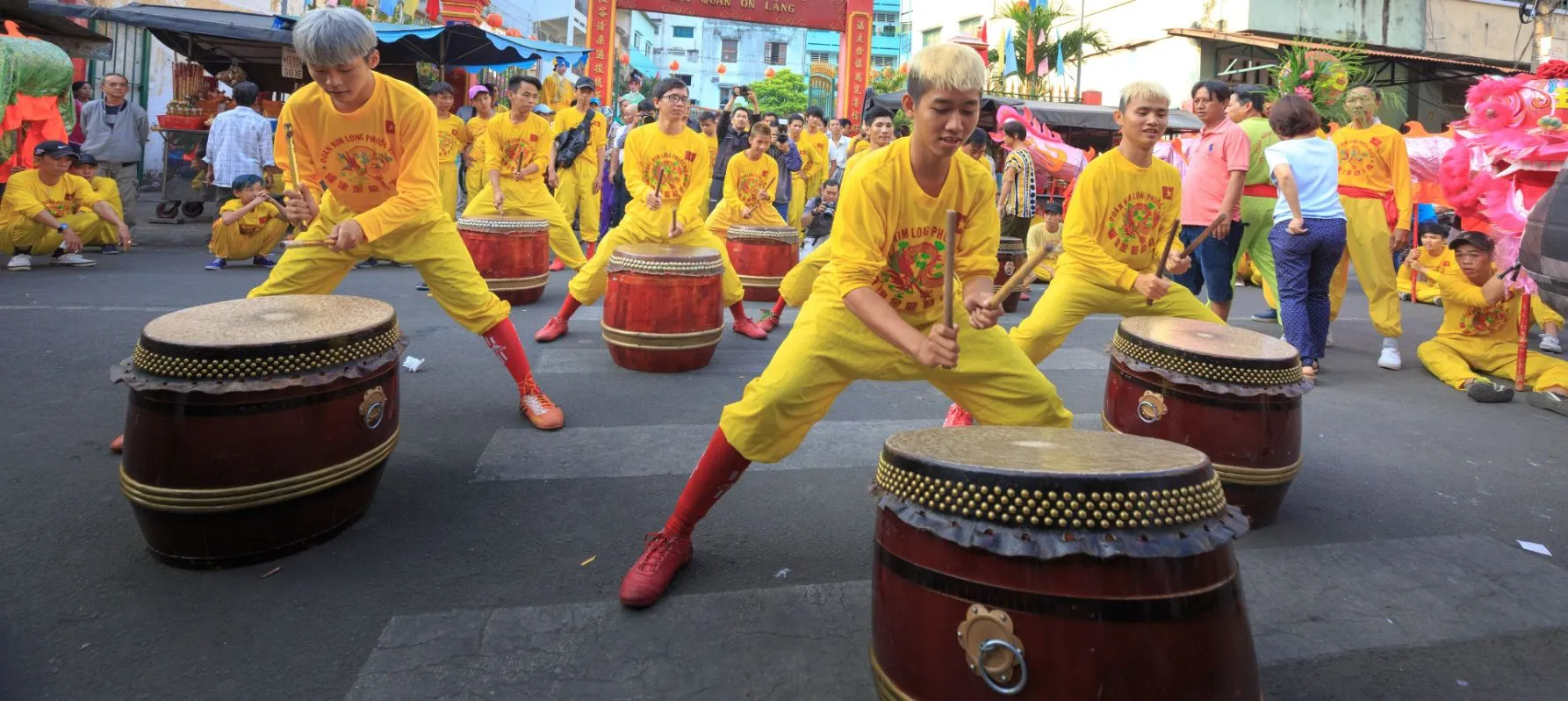
Across continents and centuries, drums have carried the emotional memory of civilizations. Long before written language, rhythm became a way for communities to communicate with nature, with one another, and with the unseen. When the deep resonance of the Chinese drum meets the vibrant pulse of the African djembe, the encounter goes far beyond performance. It becomes a cultural conversation where history, belief, and modern creativity converge through sound.
The Chinese drum and the language of ceremony
The Chinese drum has always been closely linked to ritual, order, and collective identity. Traditionally used in festivals, military ceremonies, and temple rituals, its sound is designed to command attention and establish rhythm for communal movement. Each beat is deliberate and grounded, often echoing ideas of harmony and balance. The drum does not rush. Instead, it builds momentum, mirroring the philosophical traditions that emphasize patience, discipline, and unity. In many settings, the drum serves as a signal of transition, marking beginnings, endings, and moments of shared focus.
The djembe and rhythm as daily life
In contrast, the African djembe is deeply woven into everyday social life. Originating from West Africa, it speaks with speed, complexity, and emotional openness. The djembe is played with bare hands, allowing direct physical connection between musician and instrument. Its rhythms often accompany storytelling, celebration, and communal gatherings. Unlike structured ceremonial drumming, djembe music invites participation. It adapts to movement, dance, and improvisation, reflecting societies where rhythm flows naturally through daily experience rather than being reserved for formal occasions.
Where tradition meets modern expression
When these two drumming traditions come together, the result is neither competition nor imitation. Instead, it is mutual recognition. Modern collaborative performances show how the grounded power of the Chinese drum can provide structure while the djembe introduces spontaneity and emotional intensity. This blend allows ancient forms to speak to contemporary audiences without losing authenticity. Musicians from both traditions often describe these collaborations as learning experiences, discovering new ways to listen rather than simply perform.
Rhythm as cultural dialogue
The meeting of these drums demonstrates how music functions as diplomacy without words. Each rhythm carries the weight of its cultural origin, yet remains open to reinterpretation. Audiences do not need to understand history to feel the impact. The physical vibration of drums bypasses language barriers, creating shared emotional responses. In a globalized world where cultures frequently intersect, such musical exchanges offer a reminder that dialogue can be felt as much as spoken.
Why drum fusion resonates today
The growing interest in cross cultural music reflects a wider desire for connection in an increasingly fragmented world. Drum collaborations symbolize balance between preservation and innovation. They show that tradition does not weaken when shared. Instead, it gains relevance. By placing the Chinese drum and the African djembe side by side, artists highlight both contrast and compatibility, allowing listeners to appreciate difference without division.
Sound that connects past and present
Ultimately, when the Chinese drum meets the African djembe, the encounter reminds us that rhythm is universal. While techniques and meanings differ, the human impulse to express identity through sound remains constant. These drumbeats echo ancient civilizations, yet they also speak directly to modern audiences seeking authenticity and shared experience. In their meeting, history does not fade. It finds new voice.

