
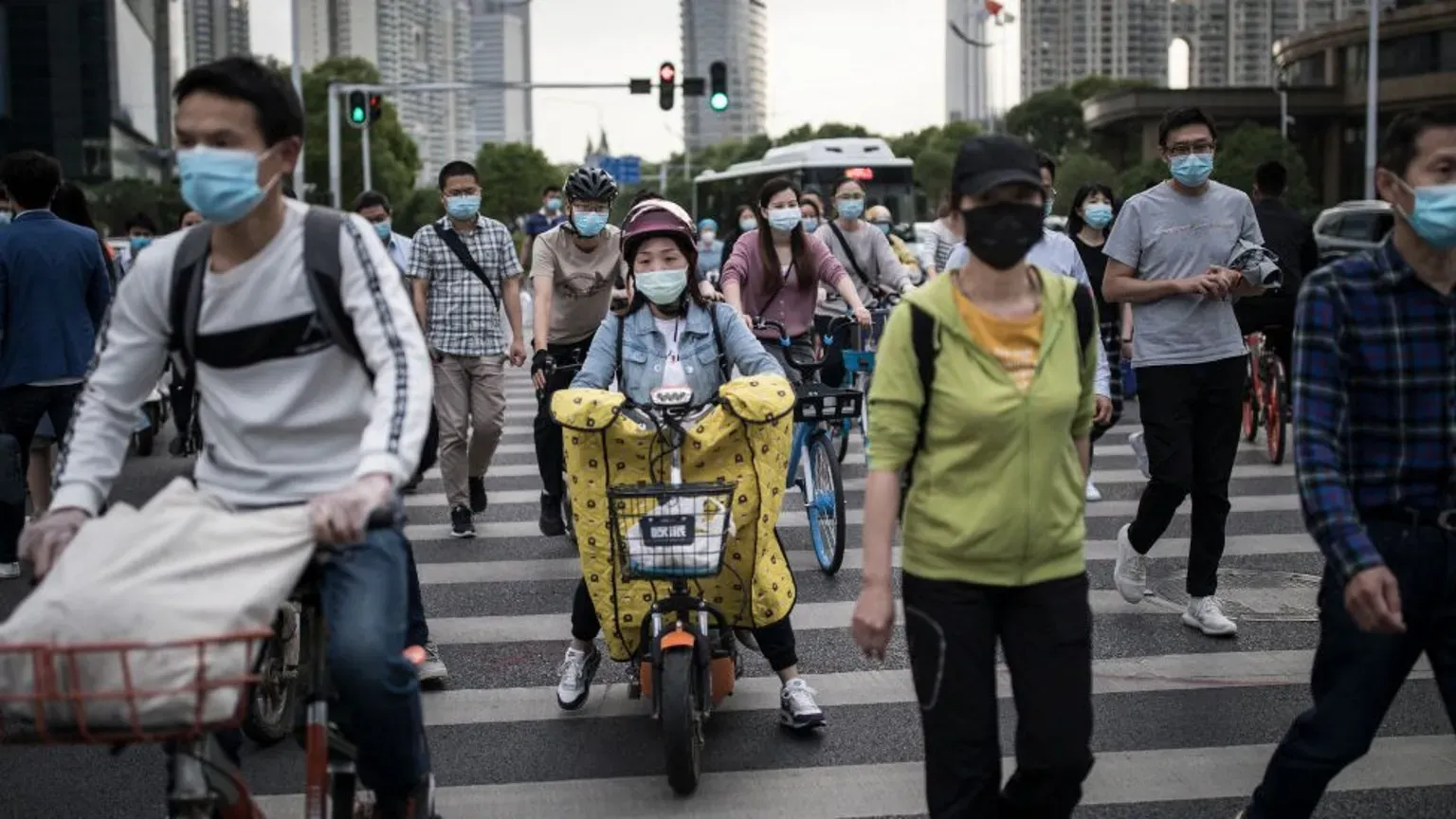
From initial lockdowns to global pandemic, how one city became the center of world attention.
The First Alarms
In late December 2019, doctors in Wuhan began noticing unusual cases of pneumonia. The illness did not respond to standard treatments, and early reports linked it to a seafood market. Within weeks, Chinese authorities confirmed the outbreak of a new coronavirus.
At first, information was slow to emerge, and the extent of the threat was unclear. Local officials hesitated, worried about panic and political fallout. By January 2020, however, rising case numbers and reports of human-to-human transmission made clear that the situation was serious.
Lockdown in Wuhan
On January 23, 2020, Wuhan, a city of over 11 million people, entered lockdown. Public transport shut down, highways closed, and residents were confined to their homes. The unprecedented restrictions stunned the world. For many, the image of empty streets and overwhelmed hospitals became the first glimpse of what would soon become a global crisis.
The lockdown lasted 76 days and became both a symbol of sacrifice and a model of strict containment. While it slowed the spread inside China, the virus had already begun to spread internationally.
From Local Crisis to Global Pandemic
By March 2020, Covid-19 had spread across continents. Borders closed, economies halted, and health systems strained under surging cases. Wuhan’s outbreak became the starting point of a pandemic that reshaped life worldwide.
Debates erupted over transparency, preparedness, and accountability. Questions about the early handling of the outbreak fueled tensions between China and other countries, particularly the United States. The global scramble for masks, ventilators, and vaccines highlighted the interconnectedness and vulnerabilities of modern supply chains.
Lives in Wuhan
Inside Wuhan, ordinary citizens endured immense hardship. Families were separated, hospitals overcrowded, and frontline workers risked their lives. Volunteers delivered food to locked-in households, while medical teams from across China rushed to support the city.
When the lockdown lifted in April 2020, residents emerged to both relief and grief. Memorials honored those who died, and the city became a symbol of resilience. Yet scars from those months remain part of collective memory.
The World Responds
Internationally, reactions to Wuhan’s outbreak were mixed. Some praised China’s rapid lockdown as decisive, while others criticized the initial lack of transparency. Governments worldwide faced their own challenges in responding, with varying degrees of success.
The outbreak also accelerated scientific collaboration. Chinese researchers shared the virus’s genome early on, enabling global vaccine development. At the same time, political tensions grew, with accusations, conspiracy theories, and diplomatic disputes surrounding the origins of the virus.
Long-Term Impact
The Covid-19 outbreak in Wuhan was not only a public health crisis but a turning point in global history. It reshaped geopolitics, highlighting both the strengths and vulnerabilities of China’s governance model. Domestically, it reinforced the state’s capacity for mobilization. Globally, it underscored the need for transparency and preparedness in health systems.
The pandemic also accelerated digital transformation. Remote work, online education, and e-commerce expanded rapidly, changes that continue to shape societies today.
Conclusion: Wuhan and the World
Wuhan’s outbreak began as a local crisis but quickly became a global turning point. It tested governments, societies, and international cooperation in ways unseen for generations.
The story of Wuhan is both historical and ongoing. It reminds us that in a globalized world, the fate of one city can ripple across the planet, reshaping lives, economies, and politics for years to come.

