
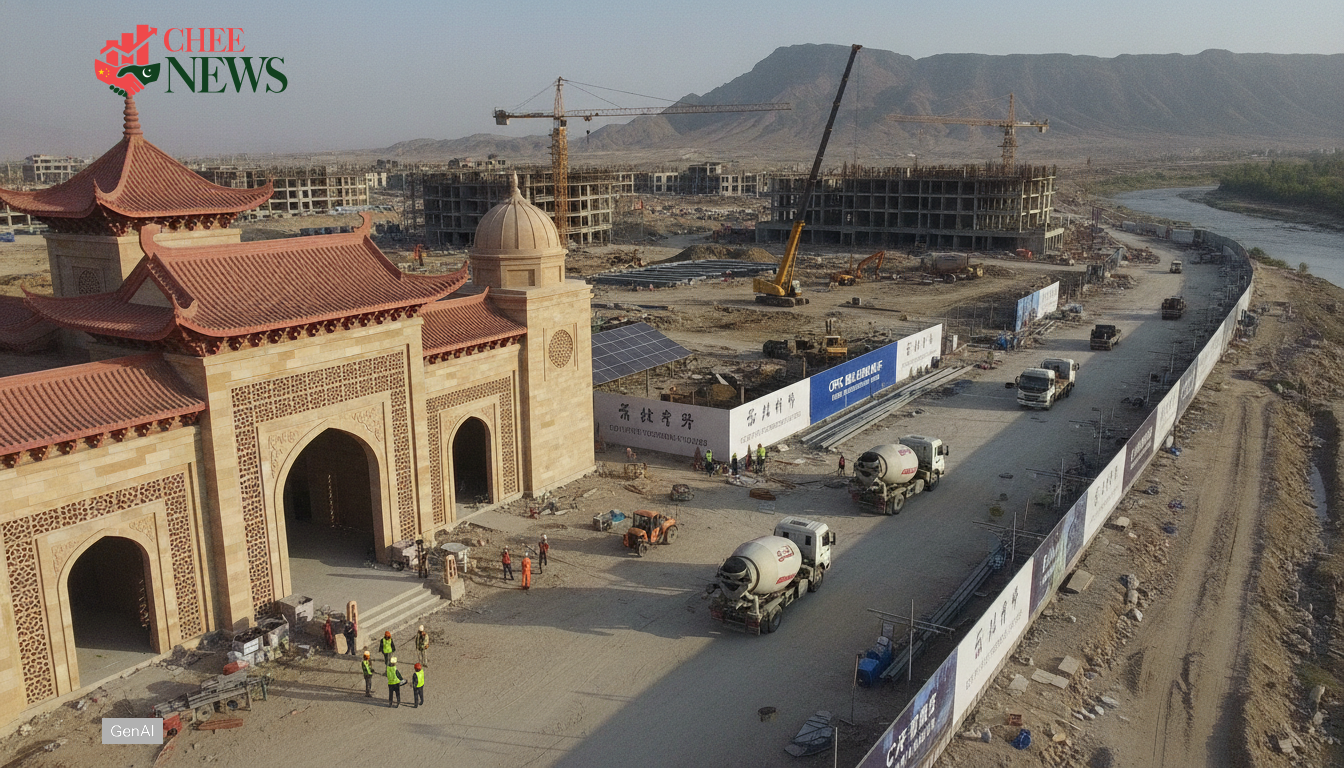
CPEC cultural bridge and people-to-people exchange
With CPEC broadly understood to have taken shape in the mid-2010s (often referenced in coverage as 2015), the CPEC cultural bridge is increasingly shaping Pakistan-China relations beyond transport and trade. Universities, cultural centers, and city administrations have reportedly expanded exchanges that bring students, artists, and local organizers into direct contact. Language classes, joint exhibitions, and visiting lectures are often described by local organizers as complementing business forums, making cultural diplomacy easier to access for ordinary residents. Program coordinators and participating institutions frequently emphasize that continuity matters, because repeat activities can build familiarity and reduce reliance on one-time delegations. This shift may support longer-term community ties by creating local partners who can sustain events with predictable schedules and shared ownership.
In host districts near corridor routes, community-facing initiatives are described by local stakeholders as reshaping how residents experience cooperation beyond headlines and ribbon cuttings. A regional diplomacy discussion at the SCO Summit: China-Russia strategic ties deepen also underscored how cultural engagement is used across Eurasian groupings to sustain cooperation when politics tighten. Local administrations are often reported to pair visiting groups with school sessions, craft showcases, and heritage site visits so potential benefits feel tangible to families and small businesses. For many neighborhoods, people-to-people ties become most visible when translators, teachers, and event staff are hired locally and activities repeat year to year.
How CPEC-linked programs reach local communities
Education and municipal partnerships are also becoming more structured, with universities said to be pushing for aligned calendars and clearer credit recognition so semester-long placements can replace short visits. In this part of the CPEC cultural bridge, institutions increasingly focus on skills-based formats such as media workshops, museum collaboration, and documentary production that can be distributed in both markets. Cultural exchange initiatives may mirror that model by emphasizing certification, mentorship, and longer placements that build durable networks. Coverage by the South China Morning Post, including China-Singapore security team claims breakthrough in hacking Starlink terminals, shows how cross-border cooperation is often framed around training, standards, and institutions.
Challenges to sustaining cultural exchange under CPEC
Program managers commonly cite coordination gaps, language readiness, and uneven capacity among partner organizations as constraints rather than a lack of interest. Practical issues such as visa timing, event security planning, and translation quality can make high-profile exchanges costly and harder to replicate outside major cities, according to organizers involved in planning. A related policy and delivery context is tracked by CPEC Initiatives Enhance Trade and Energy Cooperation, which describes how institutional planning can be standardized when multiple stakeholders share delivery targets. Some planners say they borrow lessons from corridor logistics coordination used in trade and energy projects to professionalize scheduling, budgeting, and accountability. For cultural work linked to CPEC, the opportunity is adopting the same discipline while staying sensitive to local heritage norms.
Long-term benefits for Pakistan-China cultural ties
Over time, sustained programming can create a deeper base of familiarity that supports stable cooperation even when economic cycles fluctuate, as cultural exchange advocates often argue. Alumni of exchange cohorts are frequently described by host institutions as later working as translators, tour operators, entrepreneurs, and public servants who can navigate bilateral work with less friction. Economic resilience also affects the resources available for cultural work, and broader context on funding expectations is discussed in China policy financing 2026 starts early for growth. As networks mature, practical outcomes may include clearer communication, wider access to joint opportunities, and more informed public dialogue at the community level. The long-term payoff is most credible when local institutions maintain archives, train successors, and keep collaborations running across generations.
What comes next for the CPEC cultural bridge
Future progress will likely depend on making exchanges easier to repeat, measure, and scale across smaller cities. According to The Daily CPEC, stakeholders increasingly favor clear annual calendars, shared budgets, and locally managed venues that can reduce costs and raise participation. Better language preparation and standardized interpretation can also improve quality and reduce misunderstandings during joint events, based on feedback commonly reported by organizers. The most durable models are those that treat exchange planning as a pipeline, with entry-level activities in schools, intermediate training in universities, and professional placements in media, tourism, and public administration. If partners keep prioritizing local ownership and consistent scheduling, the CPEC cultural bridge can remain a stabilizing layer of the broader bilateral relationship.

