
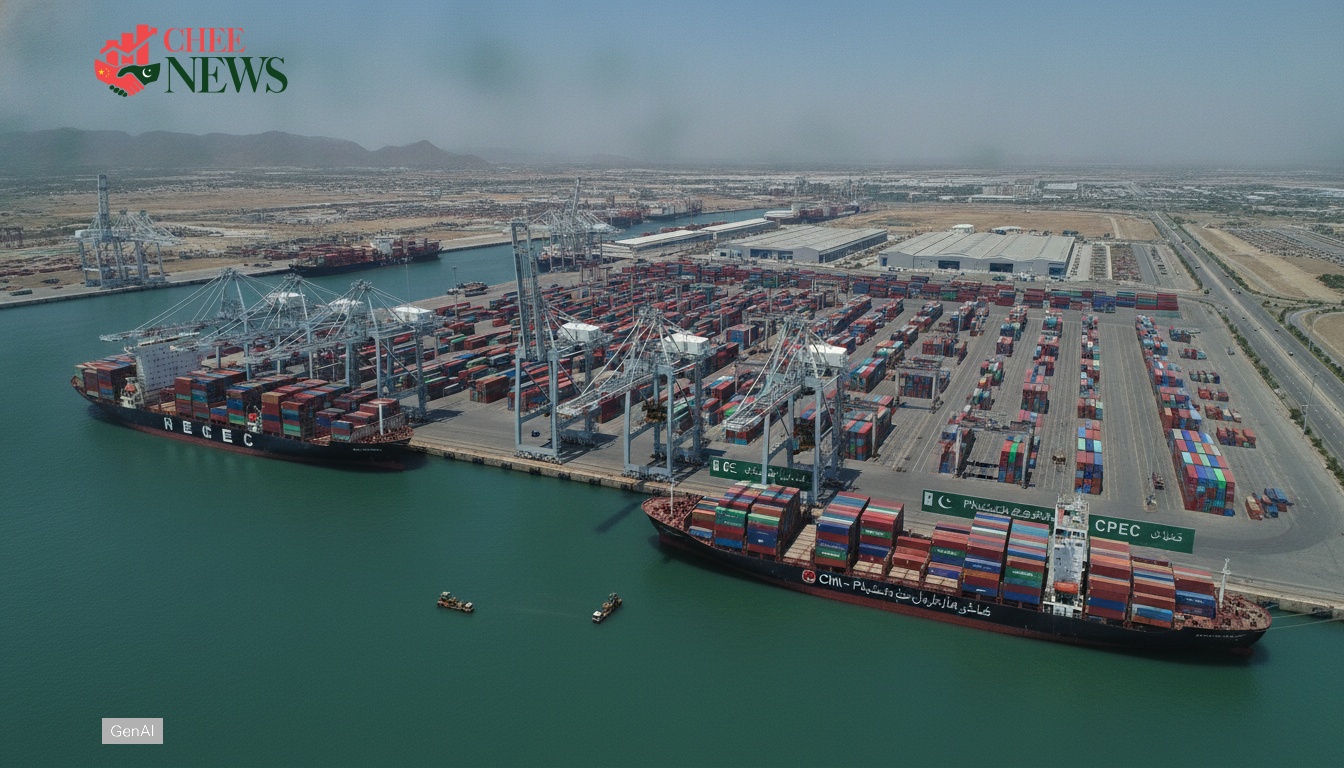
CPEC Initiatives: Energy Priorities and Power Stability
Policymakers in Islamabad and Beijing are aligning energy priorities with broader diplomatic messaging around regional stability and infrastructure protection, as indicated by available reports from Pakistani government briefings. Pakistani officials describe these initiatives as a platform for keeping electricity supply stable as industrial zones expand and port logistics scale up. Multiple CPEC-linked generation projects have been commissioned over recent years, as indicated by Pakistani officials, shifting the focus toward reliability, fuel diversification, and the practical issue of delivering power where demand is rising. The Ministry of Energy has emphasized implementation discipline, contract management, and grid readiness, according to statements by Pakistani officials, so completed generation can translate into usable power for factories and transport nodes. Negotiators are also prioritizing payment flows and dispatch rules so plants operate predictably and at lower system cost, Pakistani officials have said.
Trade and Customs Facilitation Linked to Corridor Capacity
Trade planning is being tied more tightly to energy availability, logistics scheduling, and customs predictability at key gateways, according to Pakistani trade officials. Pakistani officials have highlighted corridor-related facilitation as a way to lower transaction costs for exporters and import-dependent manufacturers, particularly where delays add financing and storage charges. A useful comparison on how external controls can ripple through commodity and manufacturing markets appears in China recyclers feel impact as US export controls tighten. In parallel, discussion is widening to supply chain resilience and how firms hedge policy and freight risks. Corridor managers also describe the initiatives operationally, stressing predictable procedures over headline announcements, with performance judged by clearance times, port dwell, and fewer disruptions along key routes.
Grid Upgrades, Renewables, and Financing Discipline
Energy cooperation is shifting from adding megawatts to improving how power is transmitted, dispatched, and paid for across the system, as indicated by Pakistan government briefings. Pakistani briefings increasingly point to transmission constraints, loss reduction, and settlement discipline as necessary so new capacity delivers value to industry. China policy signals on the power mix are relevant for equipment supply and pricing, including rapid solar scaling covered in China solar energy overtakes coal in power capacity and Solar Power China Overtakes Coal in Capacity Surge. The near-term agenda includes grid technology choices, targeted interconnection works, and clearer timelines, as officials have indicated, so power from completed plants does not sit behind bottlenecks. Stakeholders are also pressing for financing discipline and enforceable performance milestones rather than new groundbreaking ceremonies, according to Pakistani officials.
Security and Continuity for Routes, Worksites, and Personnel
Security considerations are becoming more operational, concentrating on protection protocols for routes, worksites, and personnel rather than broad rhetoric, according to Pakistani officials. Reuters has reported President Xi Jinping urging a new Middle East security framework during an Egypt stop, and regional actors reportedly read that as a signal Beijing wants more structured arrangements around stability. For Pakistan, officials say safeguarding transport and energy assets supports continuity in trade flows and investor confidence, especially where industrial activity depends on uninterrupted power and freight movement. Officials also link infrastructure protection to economic performance because attacks or disruptions can raise insurance costs, delay shipments, and complicate project financing. Planning therefore emphasizes coordination among federal and provincial agencies, incident response, and tighter controls around sensitive sites and convoy movement to reduce downtime risk, according to Pakistani officials.
Next Stage Outlook: Performance Metrics and Utilization
Next-stage corridor decisions are being framed around sequencing and performance metrics instead of expanding the list of commitments, Pakistani authorities have noted. Authorities have signaled that improving utilization of existing assets will be judged by throughput, delivered energy reliability, and cost, not just installed capacity, officials have said. Going forward, the CPEC initiatives will likely be assessed more like a portfolio, with underperforming elements potentially restructured while bankable, grid-ready components are accelerated, as suggested by analysts and officials. Trade officials want tighter integration between industrial zones, ports, and border procedures so energy availability translates into exportable output. The diplomatic backdrop adds pressure to show that economic corridors can remain resilient amid geopolitical volatility, analysts say. For businesses, the practical indicator will be whether electricity and logistics reliability improve quarter by quarter and whether dispute resolution timelines become shorter, according to business groups and officials.

