
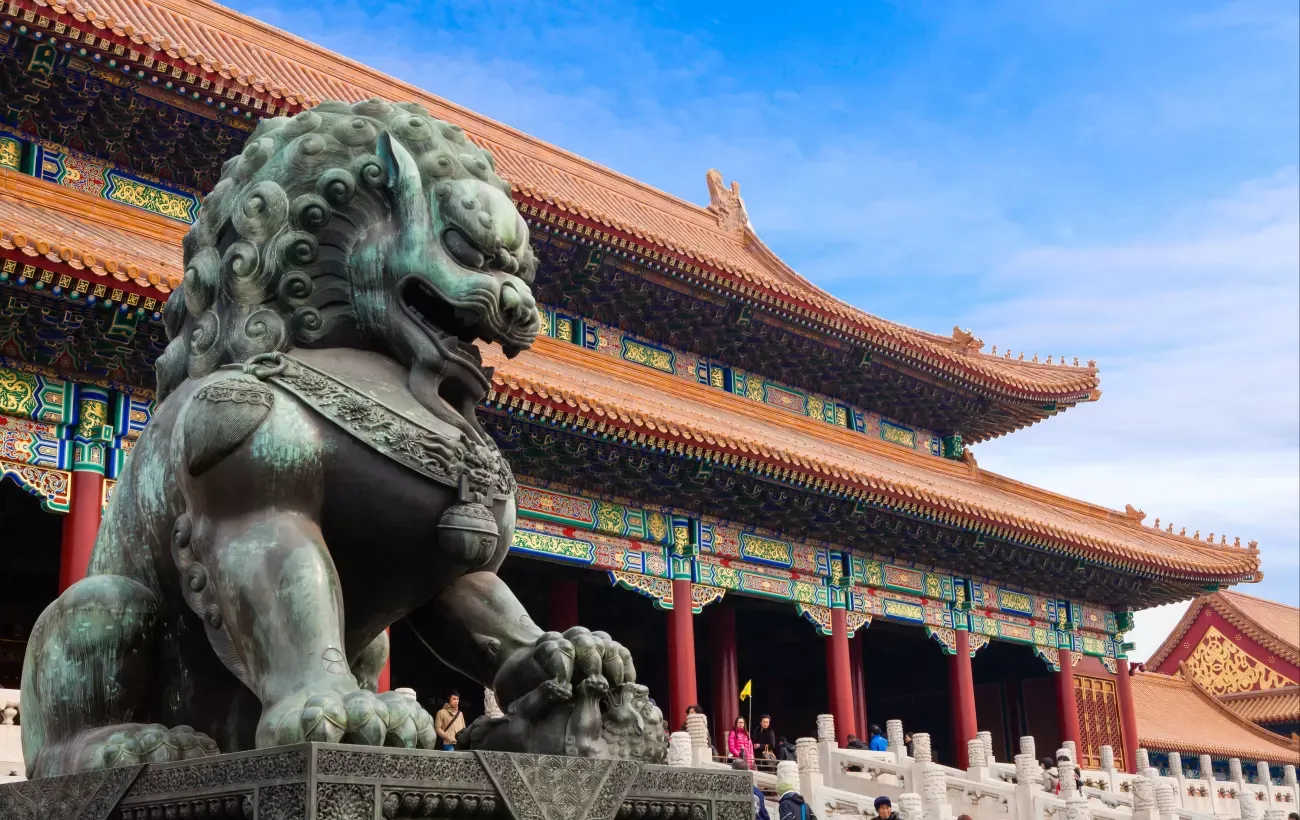
China, one of the world’s oldest civilizations, has a history that spans over 5,000 years. From ancient dynasties to the rise of a modern global power, China’s story is rich with culture, innovation, and transformation. Understanding its historical journey is crucial to appreciating its current influence in the world.
Ancient Dynasties and Cultural Foundations
China’s civilization began along the Yellow River, often referred to as the “cradle of Chinese civilization.” The Xia, Shang, and Zhou dynasties laid the foundations of early Chinese society, introducing systems of governance, writing, and agriculture. The Zhou dynasty, in particular, saw the development of Confucianism and Taoism, philosophies that shaped Chinese ethics, governance, and social structure for centuries.
The Qin dynasty (221–206 BCE) marked a turning point by unifying the fragmented states under one emperor, Qin Shi Huang. The construction of the first Great Wall and the standardization of currency, weights, and writing were major achievements of this era. The following Han dynasty (206 BCE–220 CE) further solidified China’s political structures and expanded trade through the Silk Road, connecting China with Central Asia, the Middle East, and Europe.
Imperial China and Cultural Flourishing
The Tang (618–907) and Song (960–1279) dynasties are often regarded as golden ages of Chinese culture, art, and technology. Innovations such as movable type printing, gunpowder, and the compass emerged during this period. The Ming dynasty (1368–1644) is known for its maritime explorations, porcelain artistry, and the rebuilding of the Great Wall. These eras established China as a center of knowledge, trade, and cultural sophistication.
Modern China and Global Emergence
The 19th and 20th centuries brought challenges with foreign invasions, internal uprisings, and colonial pressures. The fall of the Qing dynasty in 1912 ended imperial rule and led to the Republic of China era. After decades of civil war and conflict, the People’s Republic of China was founded in 1949 under Mao Zedong, marking a new era of socialist governance. In recent decades, economic reforms have transformed China into a global powerhouse, blending its rich historical heritage with modern innovation.
China’s history demonstrates resilience, innovation, and cultural depth. From ancient dynasties to its role on the world stage today, China continues to shape global history while preserving its unique traditions.

