
A Dynasty That Stepped Into History
The Shang Dynasty marks the first period of Chinese history supported by substantial archaeological and written evidence. Traditionally dated from around 1600 to 1046 BCE, the Shang built upon the foundations laid by earlier societies and transformed them into a recognizable state system. This era represents a decisive step from early kingship toward structured governance, ritual authority, and centralized power that would shape China’s political culture for centuries.
Writing and the Power of Record Keeping
One of the Shang Dynasty’s most important contributions was the development of a writing system. Oracle bones inscribed with early Chinese characters were used for divination, recording questions posed to ancestors and spirits about warfare, harvests, and royal decisions. These inscriptions reveal not only religious practices but also an emerging bureaucratic mindset. Writing allowed rulers to document authority, preserve knowledge, and create continuity across generations, turning power into something that could be recorded and reinforced.
Bronze Technology and Political Authority
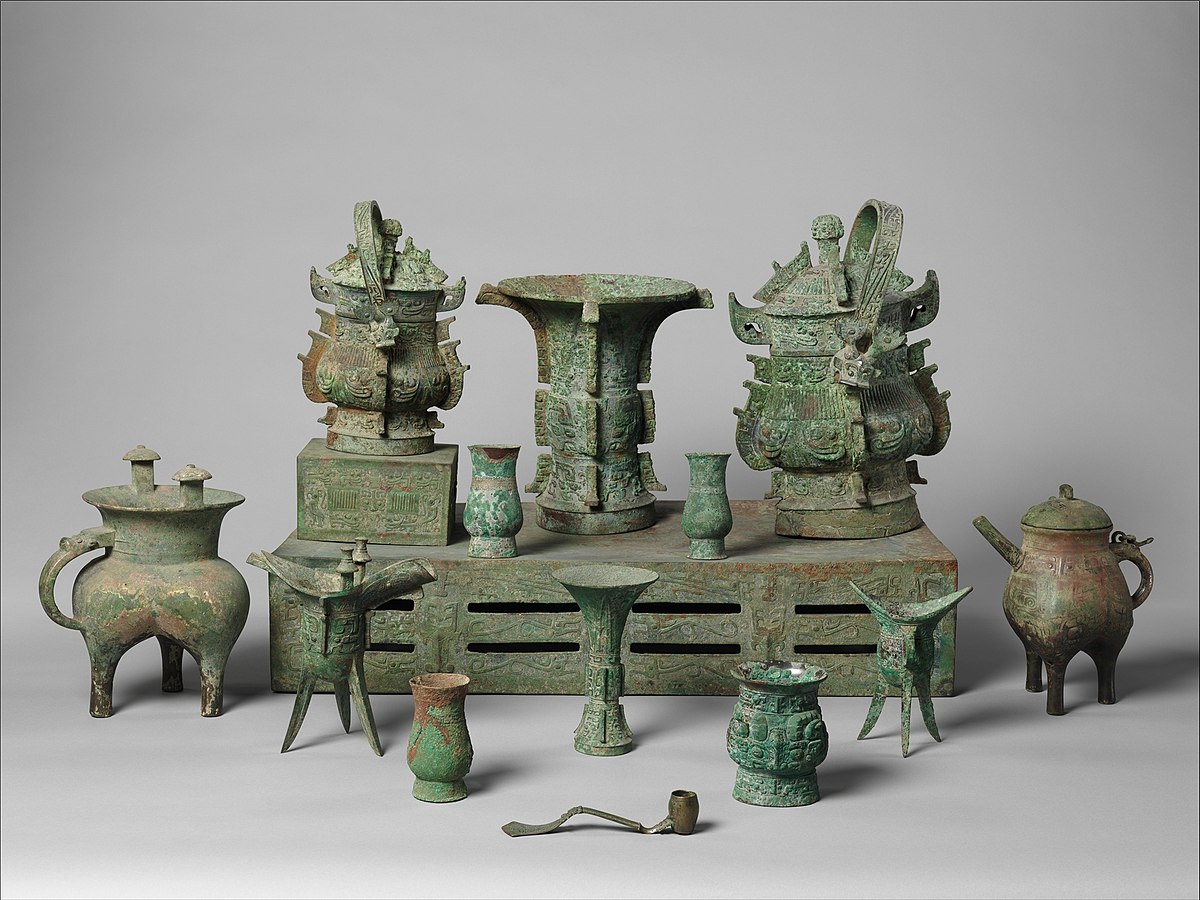
Bronze production reached remarkable sophistication during the Shang period. Ritual vessels, weapons, and tools were cast using advanced techniques that required skilled labor and organized production. Control over bronze resources strengthened the authority of the ruling elite, as these objects were central to both warfare and religious ceremonies. The ability to produce and distribute bronze reinforced the king’s role as both political leader and sacred intermediary.
Kingship and Religious Legitimacy
Shang kings ruled through a combination of military strength and spiritual authority. They served as the chief diviners, communicating with royal ancestors and powerful deities to guide state affairs. This close link between religion and governance legitimized political decisions and reinforced loyalty among the population. The belief that ancestors influenced the living created a moral framework in which the king’s actions were seen as part of a cosmic order.
Social Hierarchy and Urban Centers
Archaeological sites such as the ruins at Anyang reveal a highly stratified society. Royal palaces, workshops, and burial grounds were clearly separated from common residential areas. Elites enjoyed access to luxury goods and ritual privileges, while artisans and laborers supported the state economy. These urban centers functioned as hubs of administration, production, and religious activity, reflecting a more complex and organized society than earlier periods.
Warfare and Territorial Control
Military activity played a central role in Shang expansion and stability. The dynasty relied on chariot warfare, bronze weapons, and organized armies to defend territory and assert dominance over neighboring groups. Success in warfare reinforced the king’s authority and provided resources such as captives and tribute. This cycle of conquest and control helped solidify the Shang state and expand its influence across the Yellow River region.
The Emergence of Early Bureaucracy
While not a bureaucracy in the later imperial sense, the Shang Dynasty displayed early administrative structures. Officials managed rituals, military affairs, agriculture, and production. These roles suggest a growing division of labor within governance, reducing reliance on personal authority alone. The presence of specialized officials marked an important transition toward institutional rule.
Legacy of the Shang Dynasty
The Shang Dynasty left a lasting imprint on Chinese civilization. Writing, bronze craftsmanship, ancestor worship, and centralized kingship became enduring features of Chinese culture. Even after the dynasty’s fall, later rulers adopted and adapted Shang practices to legitimize their own authority. By blending ritual, technology, and governance, the Shang transformed power into a structured system, setting the stage for the dynasties that followed.

