
A new milestone in global heritage recognition
In 2025, China reached another landmark in the preservation of its cultural legacy when the Xixia Imperial Tombs were officially added to the World Heritage List. The decision was approved at the 47th session of the UNESCO World Heritage Committee, bringing the total number of World Heritage sites in China to 60. This recognition is not only a reflection of archaeological value but also a broader acknowledgment of how Chinese civilization has maintained continuity across dynasties, regions, and historical disruptions.
A landscape shaped by history and power
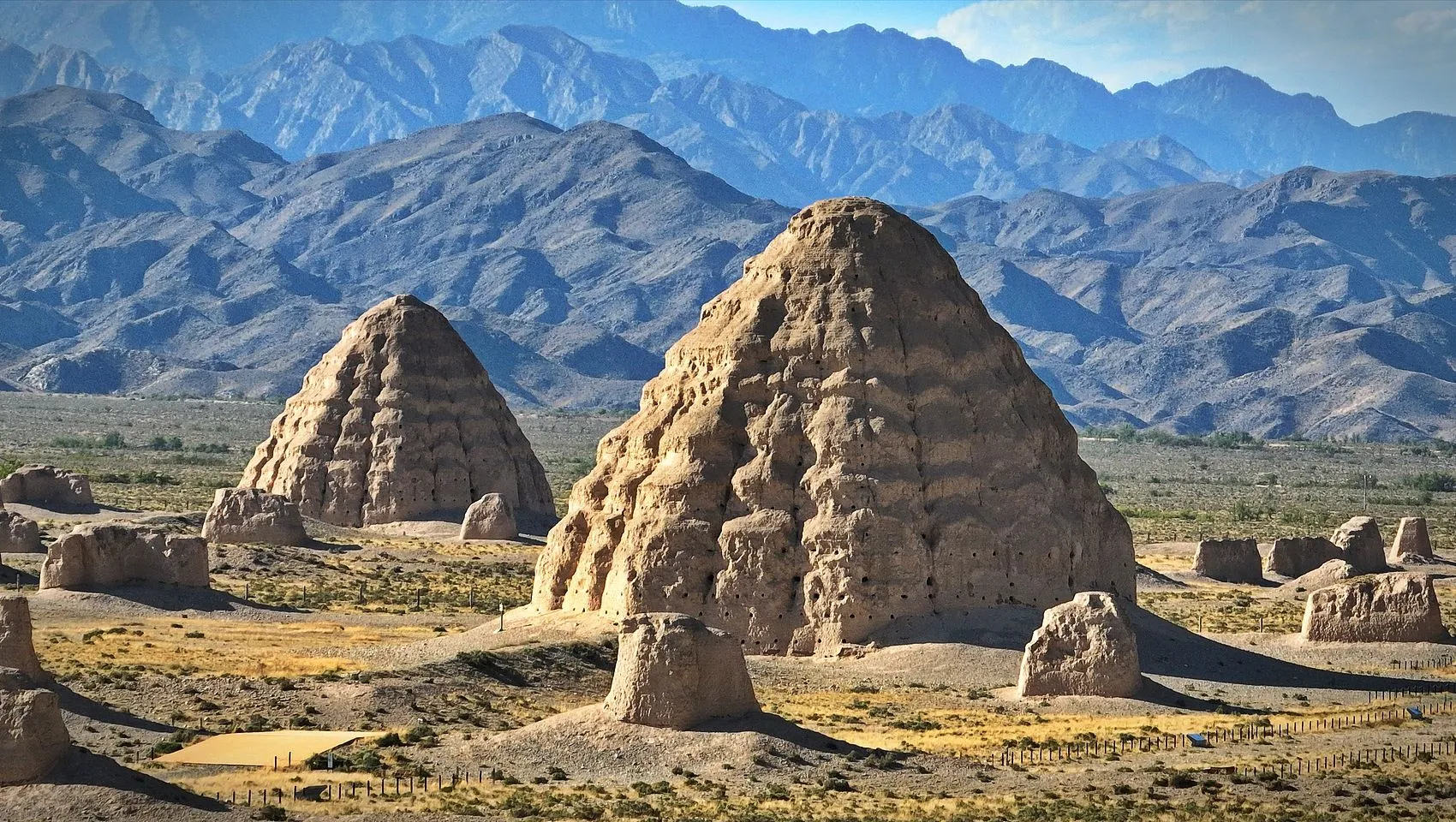
The Xixia Imperial Tombs are located at the eastern foothills of the Helan Mountains near Yinchuan in the Ningxia Hui Autonomous Region. Spread across a vast and open landscape, the site includes nine imperial mausoleums and 271 subsidiary tombs. Their scale alone reflects the authority and ambition of the Western Xia rulers, who governed a strategically important region connecting agricultural China with the Silk Road frontier.
Architectural traditions rooted in continuity
Constructed mainly using rammed earth techniques common in northern China, the tombs embody architectural traditions that stretch back centuries. The pagoda shaped mausoleum platforms rise from the plains with a solemn and commanding presence. Their layout follows burial concepts inherited from the Tang and Song dynasties, demonstrating how funerary traditions were adapted rather than abandoned by successive regimes. This continuity of form and symbolism reinforces the idea that Chinese civilization evolved through integration rather than rupture.
Harmony between nature and imperial order
One of the most striking aspects of the Xixia Imperial Tombs is their relationship with the surrounding environment. The positioning of the tombs aligns with both the Helan Mountains and the Yellow River, reflecting long standing Chinese philosophies that emphasize harmony between human authority and the natural world. The landscape was not merely a backdrop but an active component of imperial expression, linking political legitimacy to cosmic and geographical order.
Preserving the legacy of the Western Xia Dynasty
The tombs represent the largest and best preserved remains of the Western Xia Dynasty, a state that existed between 1038 and 1227. Often overshadowed by more widely known dynasties, the Western Xia played a crucial role in regional politics, trade, and cultural exchange. The preservation of its imperial burial grounds allows historians to better understand how non Han regimes adopted and reshaped Chinese state traditions while contributing their own cultural identity.
Cultural resilience across centuries
What makes the Xixia Imperial Tombs especially significant is their survival through centuries of political change, natural erosion, and human neglect. Despite the fall of the dynasty they commemorated, the site endured as a physical reminder of a civilization that valued memory, ritual, and order. Its preservation highlights the resilience of Chinese cultural frameworks, which have consistently absorbed diversity while maintaining recognizable continuity.
Meaning beyond archaeology
The UNESCO inscription elevates the Xixia Imperial Tombs from a national treasure to a site of global significance. It reinforces the idea that Chinese civilization is not defined by a single lineage or era but by an accumulated tradition of governance, belief, and cultural practice. Each new World Heritage site adds another layer to this narrative, connecting past societies with present understanding.
A living testament to civilizational continuity
Today, the Xixia Imperial Tombs stand not only as silent monuments to a vanished dynasty but as living testimony to the endurance of Chinese civilization itself. Their recognition on the world stage underscores how history continues to inform identity, offering insight into how continuity, adaptation, and respect for heritage remain central to China’s cultural story.

