
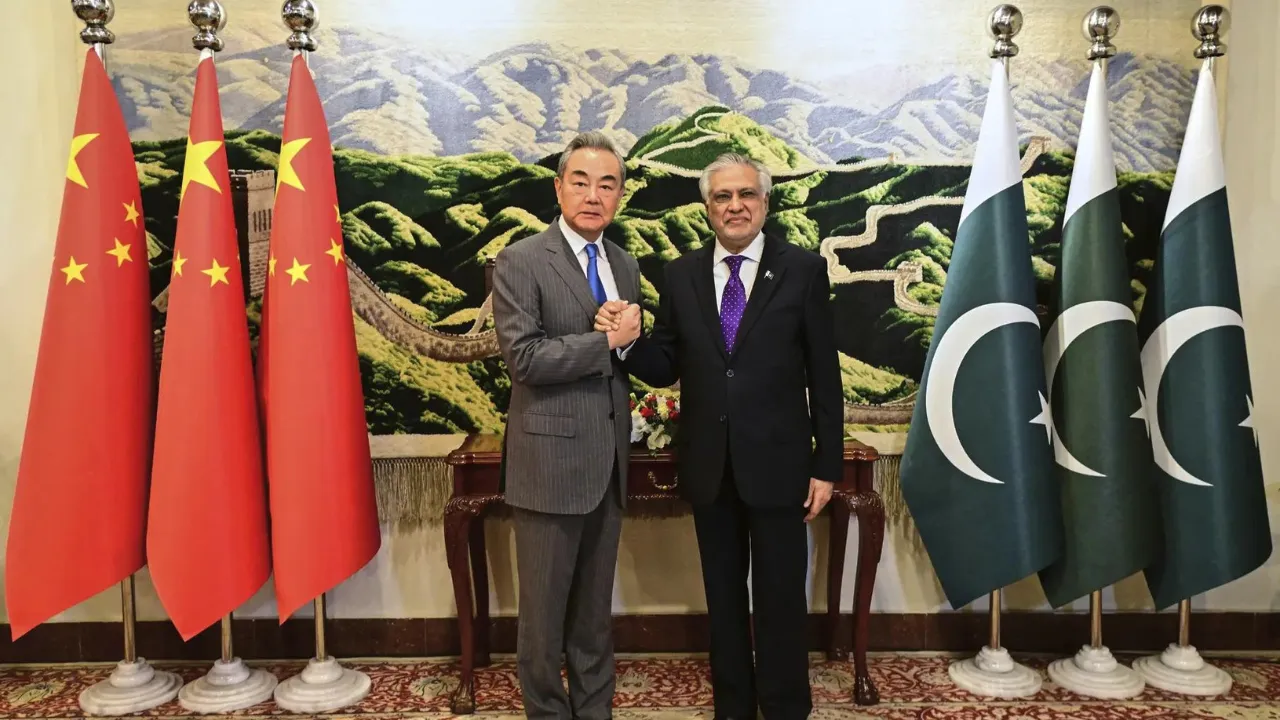
As the China Pakistan Economic Corridor moves into what officials describe as its second phase, attention is increasingly focused on industrial zones as the core driver of future growth. Often referred to as CPEC 2.0, this stage marks a strategic shift from large scale infrastructure building toward manufacturing, value addition, and job creation across Pakistan.
Special economic zones are central to this transition. These zones are designed to cluster industries in designated areas equipped with power, transport access, and streamlined regulations. Pakistani authorities view them as a way to attract foreign investment while also nurturing domestic manufacturing capacity. Under CPEC, multiple zones have been planned across different provinces, reflecting an effort to distribute economic activity more evenly.
The rationale behind CPEC 2.0 is rooted in lessons from the first phase. While roads, ports, and energy projects helped stabilize the economy, they did not automatically generate sufficient employment or exports. Industrial zones are intended to fill this gap by bringing production closer to infrastructure, reducing costs, and integrating Pakistan into regional supply chains.
Chinese companies are expected to play a major role, particularly in sectors where China has accumulated experience and excess capacity. These include textiles, construction materials, household appliances, auto parts, and electronics assembly. For Pakistan, the presence of Chinese manufacturers offers opportunities for technology transfer, skills development, and learning modern production methods.
At the same time, policymakers stress that CPEC industrial zones are not meant to be exclusive to Chinese firms. Local businesses and investors from other countries are being encouraged to participate. The goal is to create competitive ecosystems rather than isolated industrial enclaves. Success will depend on how effectively local firms can link into these new production networks.
Progress, however, has been uneven. Many zones have faced delays due to land disputes, slow provision of utilities, and coordination challenges between federal and provincial governments. Investors have also raised concerns about policy continuity, taxation, and regulatory clarity. Without addressing these issues, industrial zones risk remaining underutilized.
Labor and skills are another critical factor. Manufacturing growth requires a workforce trained in modern industrial practices. Pakistan’s education and vocational training systems will need to adapt if CPEC 2.0 is to deliver broad based benefits. Otherwise, the promise of job creation may fall short of expectations.
Despite these obstacles, the focus on industrial zones represents a more mature phase of the corridor. It reflects an understanding that sustainable development depends on production, not just construction. If implemented effectively, CPEC 2.0 could help Pakistan move up the value chain and reduce long standing dependence on imports and external financing.
The success of this phase will be measured not by announcements or memorandums, but by factories operating, workers employed, and exports reaching new markets. In that sense, CPEC 2.0 is less about visibility and more about results, making it the most challenging and consequential stage of the corridor so far.

