
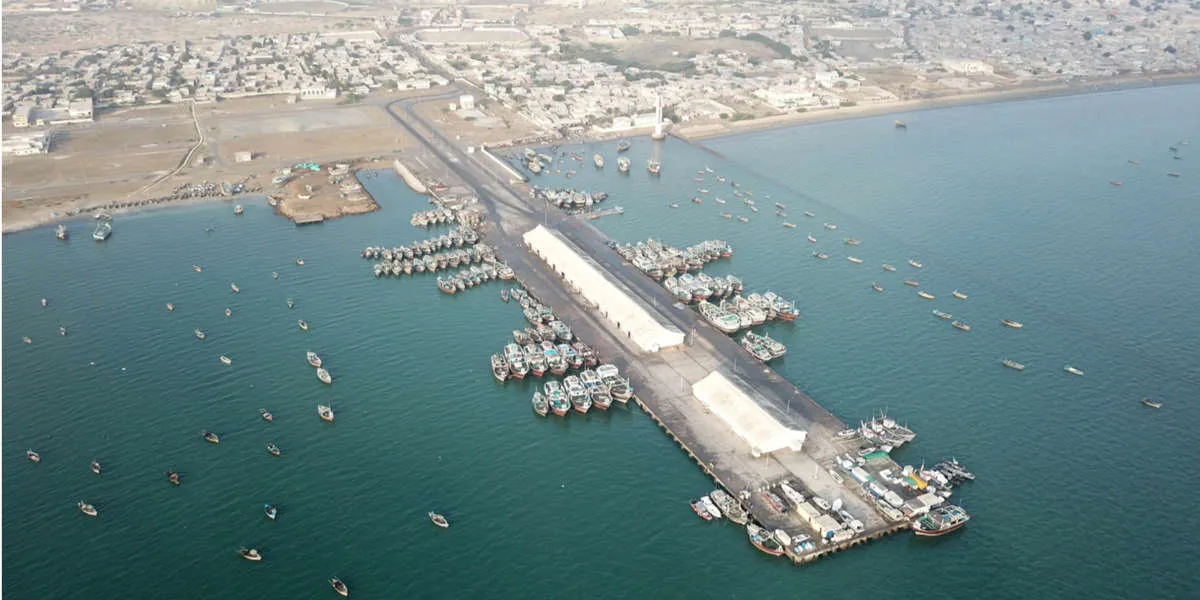
For much of the past decade, the China Pakistan Economic Corridor was defined by large scale infrastructure. Highways, power plants, and ports became the most visible symbols of cooperation between China and Pakistan. Today, however, CPEC is entering a new phase, one marked less by concrete and steel and more by factories, technology, and long term industrial development.
Pakistani officials now increasingly describe the corridor as moving beyond basic connectivity. While early projects focused on easing energy shortages and improving transport links, attention is shifting toward special economic zones, manufacturing clusters, and export oriented growth. This transition reflects a recognition that infrastructure alone cannot deliver sustained economic transformation without productive industries to support it.
Special economic zones are at the center of this new approach. These zones are intended to attract both Chinese and local investors by offering tax incentives, streamlined regulations, and access to improved logistics. By concentrating manufacturing activity, policymakers hope to create jobs, transfer skills, and integrate Pakistan more deeply into regional supply chains. Industries such as textiles, agriculture processing, pharmaceuticals, and light engineering are being highlighted as early priorities.
The shift also aligns with Pakistan’s domestic economic needs. Rising unemployment, pressure on foreign exchange reserves, and the need to boost exports have pushed the government to look for long term solutions rather than short term relief. Industrialization through CPEC is seen as one way to reduce reliance on imports while expanding value added production at home.
From China’s perspective, the evolution of CPEC reflects a broader adjustment in overseas investment strategy. Chinese firms are increasingly cautious about large debt heavy infrastructure projects and more interested in commercially viable ventures. Industrial parks and joint ventures offer clearer returns while also supporting China’s own supply chain diversification.
Challenges remain significant. Many of the proposed economic zones face delays related to land acquisition, utilities, and regulatory coordination between federal and provincial authorities. Security concerns and policy uncertainty have also made some investors cautious. Analysts note that success will depend less on announcements and more on consistent implementation.
There are also questions about how benefits will be distributed. Ensuring that local businesses and workers are meaningfully included will be crucial to maintaining public support. Without strong linkages to the domestic economy, industrial zones risk becoming isolated enclaves rather than engines of broad based growth.
Despite these hurdles, the shift from infrastructure to industry marks an important turning point. It suggests that CPEC is maturing from a construction focused initiative into a more complex development partnership. If managed effectively, this phase could determine whether the corridor fulfills its promise of long term economic transformation.
As Pakistan and China recalibrate their cooperation, CPEC’s future will likely be judged not by the kilometers of roads built, but by the factories operating, jobs created, and exports generated. The success of this transition will shape how the corridor is viewed both domestically and across the wider region.

