
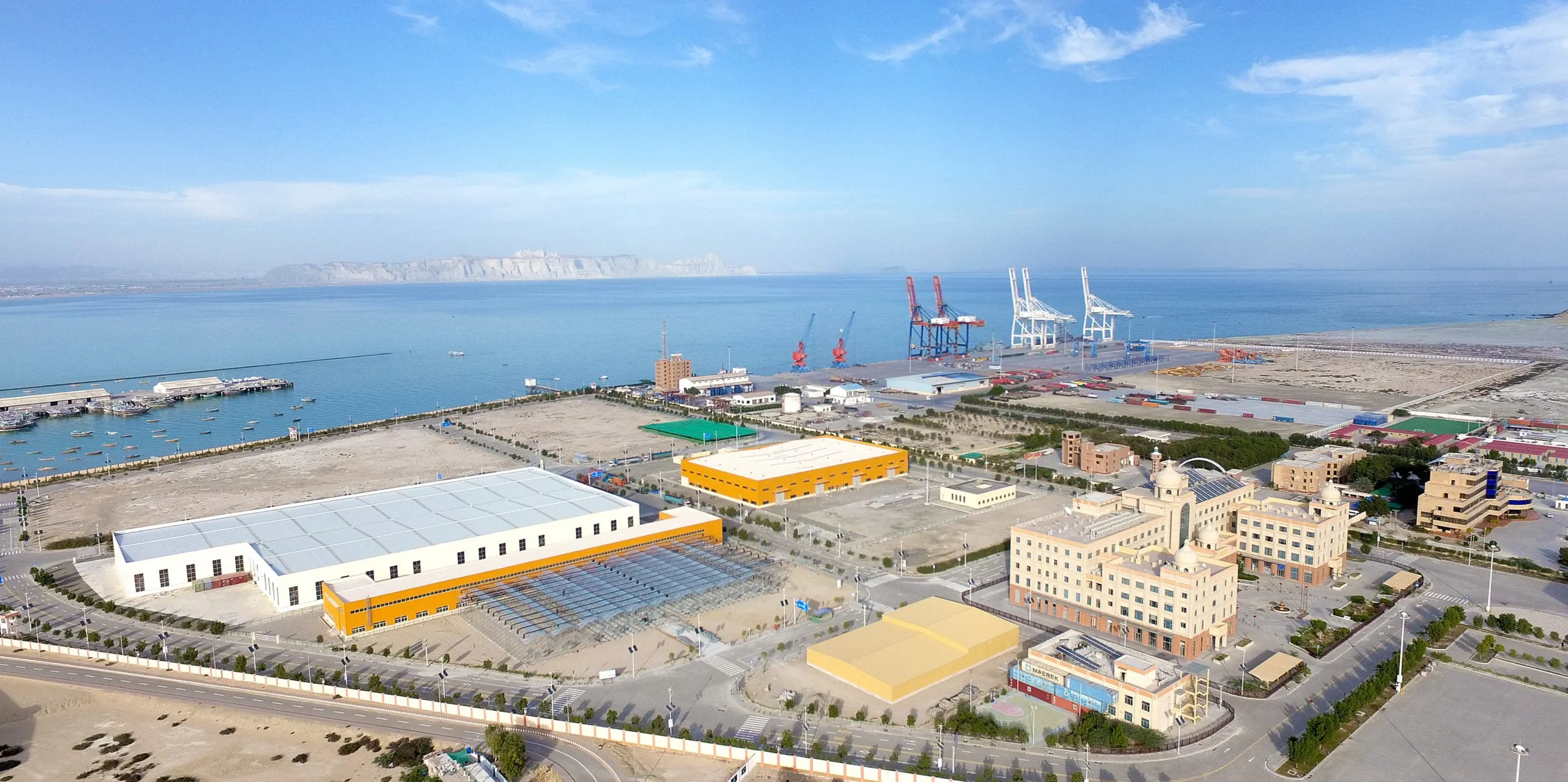
For years, public discussion around the China Pakistan Economic Corridor centered on highways, power plants, and port development. These visible projects helped address critical bottlenecks, but they were never intended to be the final objective. Today, CPEC is increasingly influencing how Pakistan thinks about its broader economic strategy, pushing the country to reconsider trade patterns, industrial priorities, and its position in regional supply chains.
The early phase of CPEC focused on stabilizing Pakistan’s economy by easing chronic energy shortages and improving connectivity between major cities and ports. These projects laid the groundwork for growth, but policymakers now acknowledge that infrastructure alone cannot generate sustainable prosperity. As a result, CPEC is being repositioned as a platform for structural economic change rather than a collection of construction projects.
One major shift is the growing emphasis on exports. Pakistan has long struggled with a narrow export base dominated by low value textiles. Under the evolving CPEC framework, officials are seeking to diversify exports by encouraging manufacturing in sectors such as food processing, chemicals, electronics assembly, and engineering goods. Improved logistics and access to ports like Gwadar are expected to reduce costs and make Pakistani products more competitive in regional markets.
CPEC is also shaping Pakistan’s approach to regional trade. By linking western China to the Arabian Sea, the corridor offers Pakistan an opportunity to act as a transit and logistics hub connecting South Asia, Central Asia, and the Middle East. This vision goes beyond bilateral cooperation with China and positions Pakistan within a wider network of regional commerce.
Another important change involves the role of the private sector. Earlier phases of CPEC were dominated by state led projects and government to government agreements. The next stage places greater emphasis on private investment, joint ventures, and market driven activity. This shift reflects lessons learned from earlier implementation challenges and aims to make projects more financially sustainable.
However, translating strategy into results remains difficult. Bureaucratic hurdles, inconsistent policies, and infrastructure gaps at the local level continue to slow progress. Businesses often cite regulatory uncertainty and limited access to finance as barriers to investment. Without addressing these domestic constraints, the broader economic ambitions linked to CPEC may fall short.
There is also an ongoing debate about inclusivity. Critics argue that economic gains must extend beyond major urban centers to smaller cities and rural areas. If CPEC driven growth remains concentrated in a few locations, it risks deepening existing regional inequalities.
Despite these concerns, CPEC has already influenced how Pakistan frames its economic future. It has shifted the conversation from short term crisis management toward longer term planning focused on productivity and trade integration. This change in mindset may be one of the corridor’s most lasting impacts.
As CPEC continues to evolve, its success will depend not only on Chinese investment, but on Pakistan’s ability to align domestic reforms with regional opportunities. Beyond roads and ports, the corridor is gradually becoming a test of whether Pakistan can convert connectivity into competitiveness.

