
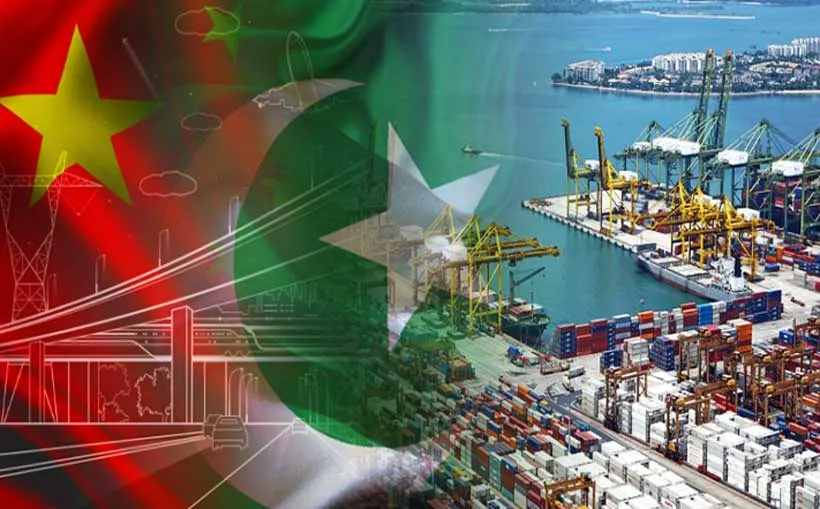
As the China Pakistan Economic Corridor matures, the central question facing policymakers is no longer how to build connections, but how to turn those connections into lasting economic competitiveness. Roads, ports, and power plants have changed Pakistan’s physical landscape, but the next challenge is ensuring that these assets translate into productivity, exports, and sustained growth.
Connectivity was always meant to be a foundation rather than an end goal. Improved highways and logistics networks have reduced travel times and transport costs, linking inland regions to ports and markets more efficiently than before. However, competitiveness depends on what moves along those routes. Without strong industries, efficient services, and export ready businesses, infrastructure alone cannot transform an economy.
Future CPEC planning increasingly emphasizes integration with domestic reform. Competitiveness requires predictable policies, streamlined regulations, and a business environment that rewards efficiency. Investors look beyond physical infrastructure to issues such as contract enforcement, taxation, and access to skilled labor. In this sense, CPEC’s success is becoming more closely tied to Pakistan’s internal governance and reform agenda.
Gwadar Port is often cited as a symbol of this transition. While its strategic location offers long term potential, its economic impact will depend on the development of surrounding industries, logistics services, and urban infrastructure. Turning Gwadar into a functional trade hub requires coordination across energy supply, water resources, housing, and workforce development.
Regional competition adds another layer of pressure. Countries across South and Southeast Asia are investing heavily in logistics, manufacturing, and digital trade. For Pakistan to compete, it must offer not just connectivity but reliability, cost efficiency, and quality. CPEC can support this goal, but it cannot substitute for competitiveness driven by productivity and innovation.
Technology and skills development will play a decisive role. Modern trade increasingly depends on digital systems, data driven logistics, and compliance with international standards. Pakistan’s ability to adopt new technologies and train its workforce will determine how effectively it can leverage the corridor. Without these capabilities, infrastructure risks becoming underutilized.
There is also a social dimension to competitiveness. Broad based participation strengthens economic resilience. If CPEC related growth benefits only a narrow segment of society or a limited number of regions, political support may erode. Ensuring that small businesses, local suppliers, and workers are integrated into new value chains is essential.
China’s role is also evolving. Rather than focusing primarily on financing construction, Chinese partners are increasingly interested in commercially viable projects and joint ventures. This shift places greater emphasis on market discipline and long term returns, reinforcing the need for competitiveness on the Pakistani side.
From connectivity to competitiveness is not an automatic progression. It requires deliberate policy choices, institutional capacity, and patience. CPEC has created opportunities, but the outcome will depend on how effectively Pakistan converts infrastructure into economic capability. The next phase of the corridor will test whether connectivity can truly become a catalyst for sustainable and competitive growth.

