
Pakistan and China have taken a significant step toward deepening economic cooperation as companies from both countries signed memorandums of understanding worth 4.5 billion dollars across agriculture and food related sectors. The agreements were finalized during the recently concluded Pakistan China Agriculture Investment Conference, marking one of the largest private sector driven commitments in the bilateral relationship to date. Officials said the scale of participation and capital pledged reflects growing confidence among Chinese investors in Pakistan’s agri economy and its long term growth potential. The MoUs span ten priority segments including food processing, value addition, agri technology, seeds, plant protection and agricultural inputs. This wave of deals signals a shift toward investment focused collaboration, aligning with broader efforts to reposition agriculture as a core pillar of economic modernization and export competitiveness under expanding Pakistan China commercial engagement.
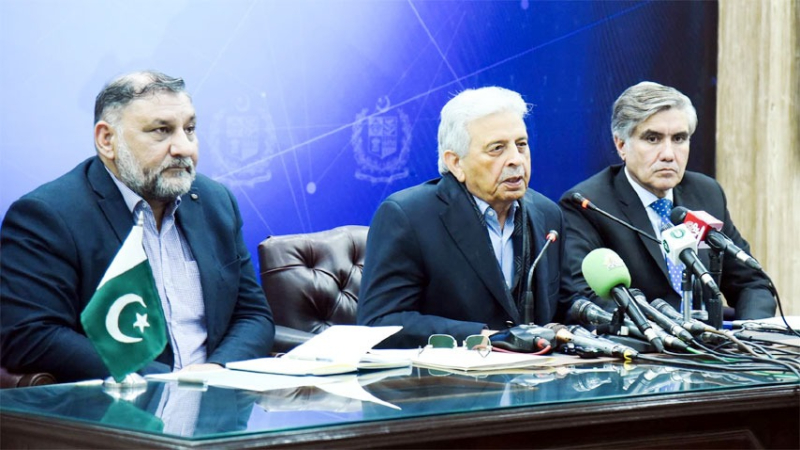
Speaking to the media, Rana Tanveer Hussain said the agreements cover livestock and dairy, meat and poultry, fruits and vegetables, fisheries, aquaculture, animal feed and post harvest infrastructure. He emphasized that the breadth of sectors involved highlights a move from policy dialogue to implementation driven partnerships designed to deliver measurable outcomes. According to officials, the conference was deliberately structured to prioritize direct business to business engagement, sector specific matchmaking and project level facilitation rather than symbolic cooperation. Chinese firms are expected to bring capital, advanced production techniques and processing expertise, while Pakistani partners contribute local market access, labor and agricultural resources. This model aims to accelerate the modernization of value chains and improve integration from farm production to processing and distribution.
Authorities believe the investment inflows will have wide economic spillovers, particularly for rural regions where agriculture remains the primary source of employment. The introduction of modern technologies and upgraded post harvest systems is expected to raise productivity, reduce losses and strengthen farm to market linkages. Officials said improved cold storage, logistics and processing capacity could help stabilize prices, enhance food security and support higher incomes for farmers. Beyond domestic impact, the agreements are also seen as a step toward building export oriented agri industries capable of meeting international standards. By leveraging Chinese expertise in large scale processing and supply chain efficiency, Pakistan aims to expand its presence in regional and global food markets, reinforcing agriculture as a driver of trade growth and bilateral economic integration.

