
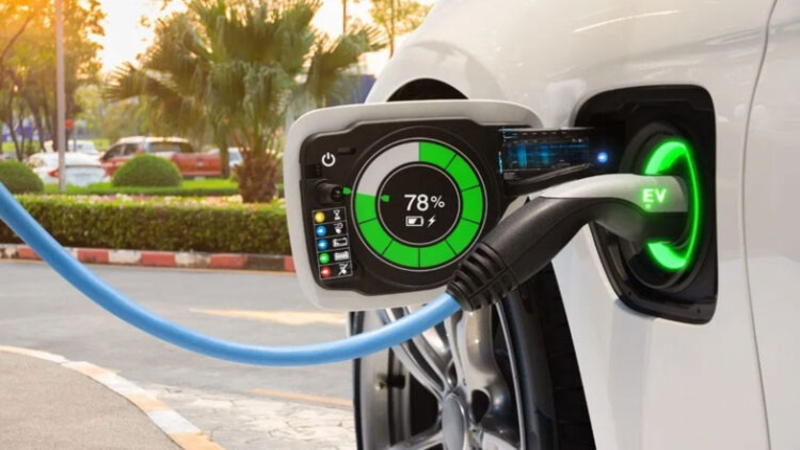
China and Pakistan are strengthening their cooperation in electric vehicle infrastructure and green urban innovation as both countries explore ways to modernize transportation systems and reduce environmental pressure in growing cities. The new phase of collaboration focuses on expanding electric vehicle charging networks, promoting clean mobility solutions and encouraging sustainable urban transport systems. Policymakers in both countries see electric mobility as a strategic step toward reducing dependence on fossil fuels while improving air quality in densely populated cities. The initiative also reflects a broader effort to align infrastructure development with global trends in energy efficiency and environmentally responsible urban planning.
A central component of the cooperation involves the development of a nationwide charging infrastructure capable of supporting the increasing number of electric vehicles expected to enter Pakistan’s transport network. Experts believe the availability of accessible charging stations is essential for encouraging consumers and businesses to transition from traditional fuel powered vehicles to electric alternatives. In major cities the lack of reliable charging facilities has been a major obstacle to EV adoption. By working with Chinese partners who have extensive experience in building large scale charging networks Pakistan aims to accelerate the expansion of its electric mobility ecosystem.
Authorities are also considering regulatory steps that would integrate charging infrastructure into existing fuel station networks. Under the proposed framework nearly all fuel stations in the capital will be required to install EV charging points. Existing fuel stations will be expected to provide at least one charging facility while new stations must install a minimum of two charging units as part of their operational setup. This policy approach is intended to ensure that charging access becomes widely available across urban areas while gradually normalizing electric mobility as a practical transportation option.
China’s involvement is considered valuable because of its leadership in electric vehicle manufacturing battery technology and charging infrastructure development. As the world’s largest electric vehicle market China has built extensive experience in integrating EV networks into urban transport systems. Chinese companies have already developed advanced battery technologies and efficient charging solutions that support millions of vehicles across major cities. By cooperating with Chinese partners Pakistan hopes to benefit from technological knowledge industrial expertise and investment that can help accelerate the growth of its domestic EV sector.
The partnership also supports Pakistan’s National Electric Vehicle Policy which aims to reduce fuel consumption and lower air pollution levels in urban centers. Cities such as Karachi Lahore and Islamabad face increasing pressure from traffic congestion and vehicle emissions that affect public health and environmental sustainability. Electric vehicles offer a pathway toward cleaner transport by reducing reliance on imported petroleum products while improving energy efficiency across the transportation sector. Policymakers believe that expanding EV infrastructure could play a crucial role in shaping the next generation of urban mobility.
Industry analysts say wider adoption of electric vehicles could also stimulate new economic activity within Pakistan’s technology and manufacturing sectors. The development of charging networks battery maintenance services and EV related manufacturing could create opportunities for local businesses and investors. In addition cleaner transport solutions may help cities improve air quality while supporting long term climate goals. With continued cooperation and investment the EV sector could become an important part of Pakistan’s transition toward sustainable energy systems and modern urban infrastructure.

