
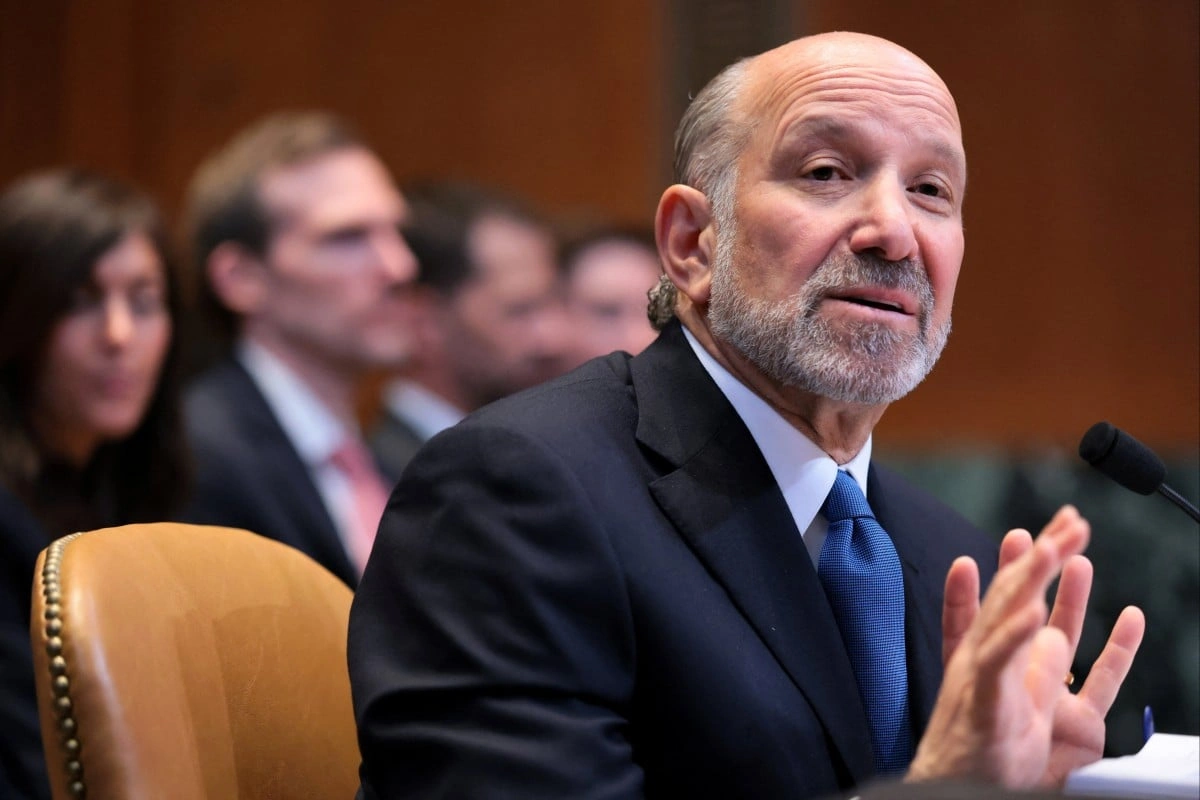
US Commerce Secretary Howard Lutnick has stated that China has not purchased any H200 advanced chips “as of today,” as Washington continues to navigate a sensitive balance in its technology policy toward Beijing. The comments were made during testimony before the US Senate Appropriations Committee, where concerns were raised about whether American semiconductor exports could indirectly support China’s military or advanced technological development. The discussion reflects ongoing tensions between national security priorities and global technology trade.
Lutnick emphasized that the United States is attempting to maintain what he described as a delicate balance in its approach to China, particularly in the field of advanced semiconductors. He pointed to the relationship between US President Donald Trump and Chinese President Xi Jinping as a factor influencing diplomatic and economic decision making. According to his remarks, this relationship plays a role in shaping how restrictions and approvals are managed regarding the export of high end technology products.
The issue of advanced chip exports has become one of the most sensitive areas in US China economic relations, as semiconductor technology is considered critical for artificial intelligence, defense systems, and high performance computing. The H200 chips, developed for advanced AI processing tasks, are among the most powerful computing components currently in global circulation. Restrictions on their distribution are part of broader US efforts to limit the transfer of cutting edge technology to strategic competitors.
Lawmakers in the United States have expressed concern over whether export controls are sufficient to prevent indirect access to advanced technologies. Some senators questioned whether existing safeguards can fully address the risk of diversion through third parties or intermediary markets. These concerns highlight the complexity of enforcing technology restrictions in a globalized supply chain where components and systems often pass through multiple jurisdictions before reaching end users.
As the debate continues, US policy remains focused on balancing economic engagement with national security considerations. Officials have indicated that while trade in certain technology sectors may continue under strict oversight, export controls will remain a key tool in managing strategic risks. The situation underscores the growing importance of semiconductor policy in shaping the broader geopolitical relationship between the United States and China, particularly as competition in artificial intelligence and advanced computing intensifies.

