
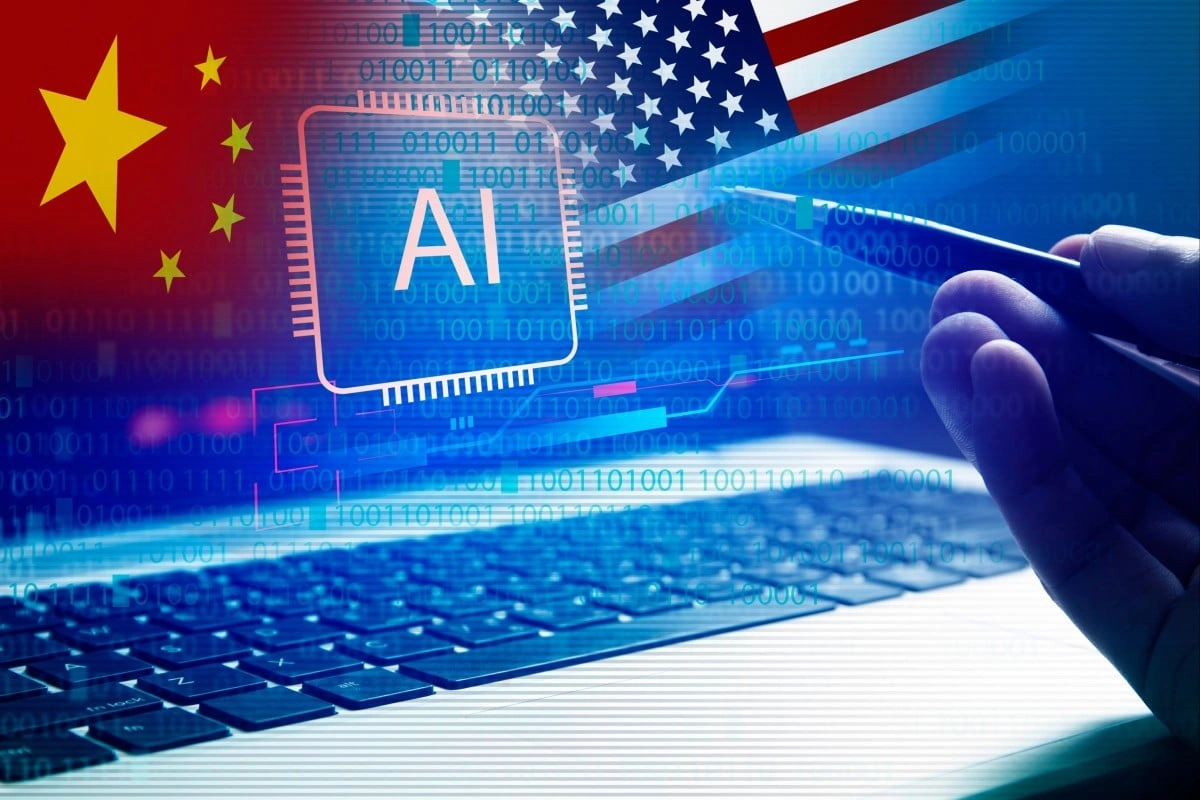
The United States visa system has come under sharp criticism during a recent congressional hearing, where lawmakers raised concerns that current immigration processes may be vulnerable to exploitation amid rising technological competition with China. Senators warned that permissive visa channels could potentially be used by individuals engaged in industrial or technological espionage, particularly as both countries compete for leadership in artificial intelligence and advanced innovation sectors. The discussion reflects growing anxiety in Washington over national security risks linked to talent mobility and global research collaboration.
During the Senate Judiciary Committee hearing, lawmakers argued that the existing visa framework may unintentionally provide access to sensitive research environments and innovation hubs. Some senators expressed concern that individuals entering through legal pathways could still be involved in activities that compromise intellectual property or sensitive technological developments. The debate centered on whether current vetting procedures are sufficient to identify potential security threats without restricting legitimate academic and professional exchange.
The issue has become increasingly prominent as the United States and China continue to compete in fields such as artificial intelligence, semiconductors, and advanced computing. These sectors are seen as strategically critical, with both nations investing heavily in research and development to secure long term technological advantage. Lawmakers emphasized that safeguarding innovation ecosystems is essential for maintaining economic competitiveness and national security in an era of rapid technological change.
At the same time, concerns have been raised about the potential impact of stricter visa policies on scientific collaboration and global talent flows. Universities and research institutions in the United States rely heavily on international students and researchers, many of whom contribute significantly to innovation and technological progress. Policymakers are therefore faced with the challenge of balancing security considerations with the need to maintain openness and competitiveness in the global research environment.
As debates continue, the US government is expected to review existing visa procedures and security screening mechanisms to assess potential vulnerabilities. The discussion highlights the broader intersection between immigration policy and geopolitical competition, where concerns about espionage and intellectual property protection are increasingly shaping legislative priorities. The outcome of these discussions could influence future approaches to international mobility and research collaboration in sensitive technology sectors.

