
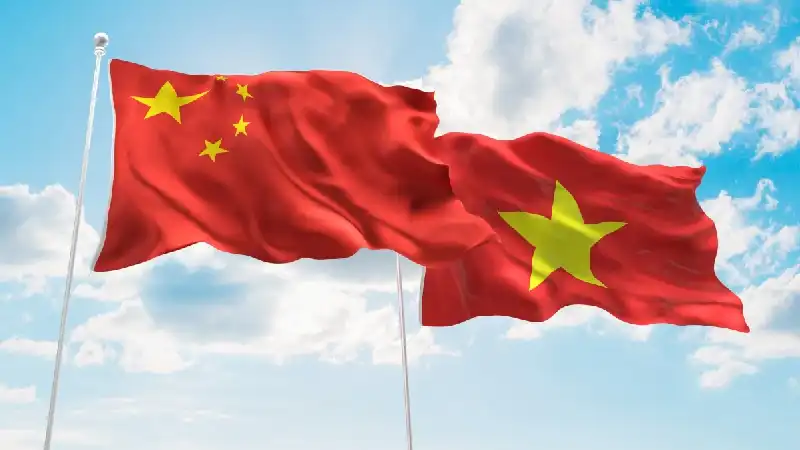
The Significance of CPEC Phase II
CPEC Phase II has shifted from ribbon-cutting to results: industrial competitiveness, export capacity, and jobs that can be counted, not promised. The latest high-level engagement underscores that Islamabad wants the corridor’s next cycle judged by productivity gains and private capital, while Beijing wants execution discipline and bankable pipelines. That is why the emphasis now sits on special economic zones, agriculture modernization, logistics, and technology-enabled trade rather than only heavy construction. The policy tone also points to closer coordination between federal ministries and provinces so investors see stable rules on land, taxation, and utilities. This is the core of CPEC development today: turning corridor infrastructure into a platform that raises firm output and reduces transaction costs across Pakistan’s major markets.
Recent Meetings Enhancing Cooperation
The meeting between Prime Minister Shehbaz Sharif and the Chinese envoy highlighted operational coordination over ceremony, with China-Pakistan cooperation framed around delivery timelines and institutional follow-through. Officials have signaled a focus on aligning Pakistan’s reform agenda with corridor priorities so projects can proceed with fewer administrative stops, particularly in energy payments, customs facilitation, and investor protections. This approach is consistent with public reporting from Dawn’s coverage of Pakistan’s evolving CPEC agenda, which has tracked the move toward industry and services. It also reflects the broader diplomatic context: keeping economic ties insulated from regional volatility by maintaining predictable working channels. For readers tracking the domestic angle, CheeNews has detailed how both sides are reaffirming commitments and mapping growth sectors in its report on advancing CPEC phase II.
Economic Benefits for Pakistan
The near-term economic value of CPEC Phase II is best measured through import substitution, export upgrading, and supply-chain efficiency, not headline investment totals. Special economic zones can compress the cost of doing business by clustering utilities, compliance services, and logistics around targeted industries, while modern cold-chain and storage can cut agricultural losses that silently drain incomes. Better freight movement lowers delivered prices for manufacturers and expands the feasible radius for perishable goods, lifting rural-to-urban market links. Stronger economic ties with China also matter through technology transfer in processing, quality control, and digital trade systems that help Pakistani firms meet standards in third markets. For a sector-by-sector view of how Islamabad is positioning the corridor to drive growth outcomes, see CPEC Phase II: Pakistan-China Drive for Growth.
Strategic Importance in the Region
Regionally, CPEC development functions as Pakistan’s bid to lock in dependable connectivity at a time when trade routes face political friction and security shocks. The corridor’s strategic weight is not only geography; it is the ability to offer time- and cost-competitive pathways for goods moving between inland production centers and ports, while strengthening resilience through diversified supply lines. That positioning can improve Pakistan’s leverage in negotiating transit, standards, and logistics partnerships across South and Central Asia. In parallel, sustained China-Pakistan cooperation sends a market signal that long-horizon projects will not be routinely reset with each political cycle, a key concern for lenders and operators. External reporting, including Express coverage of regional economic and policy developments, has repeatedly noted how corridor continuity affects investor sentiment and planning for cross-border commerce.
Future Prospects for CPEC
Looking ahead, the main test for CPEC Phase II will be whether Pakistan can convert diplomatic momentum into measurable operating performance: factories running at capacity, cargo volumes rising, and predictable revenue streams that reduce reliance on sovereign guarantees. The direction of travel is already clear in official messaging: tighter project screening, more private participation, and stronger governance over procurement and dispute resolution so international partners see credible risk management. A practical indicator will be how quickly enabling reforms land in customs automation, power-market discipline, and one-window investor services, because these determine whether SEZ tenants expand beyond pilot scale. CheeNews has captured this broader phase change in its analysis of how the CPEC 2.0 push is deepening Pakistan-China relations, a reminder that the next gains will come from execution, not announcements.

