
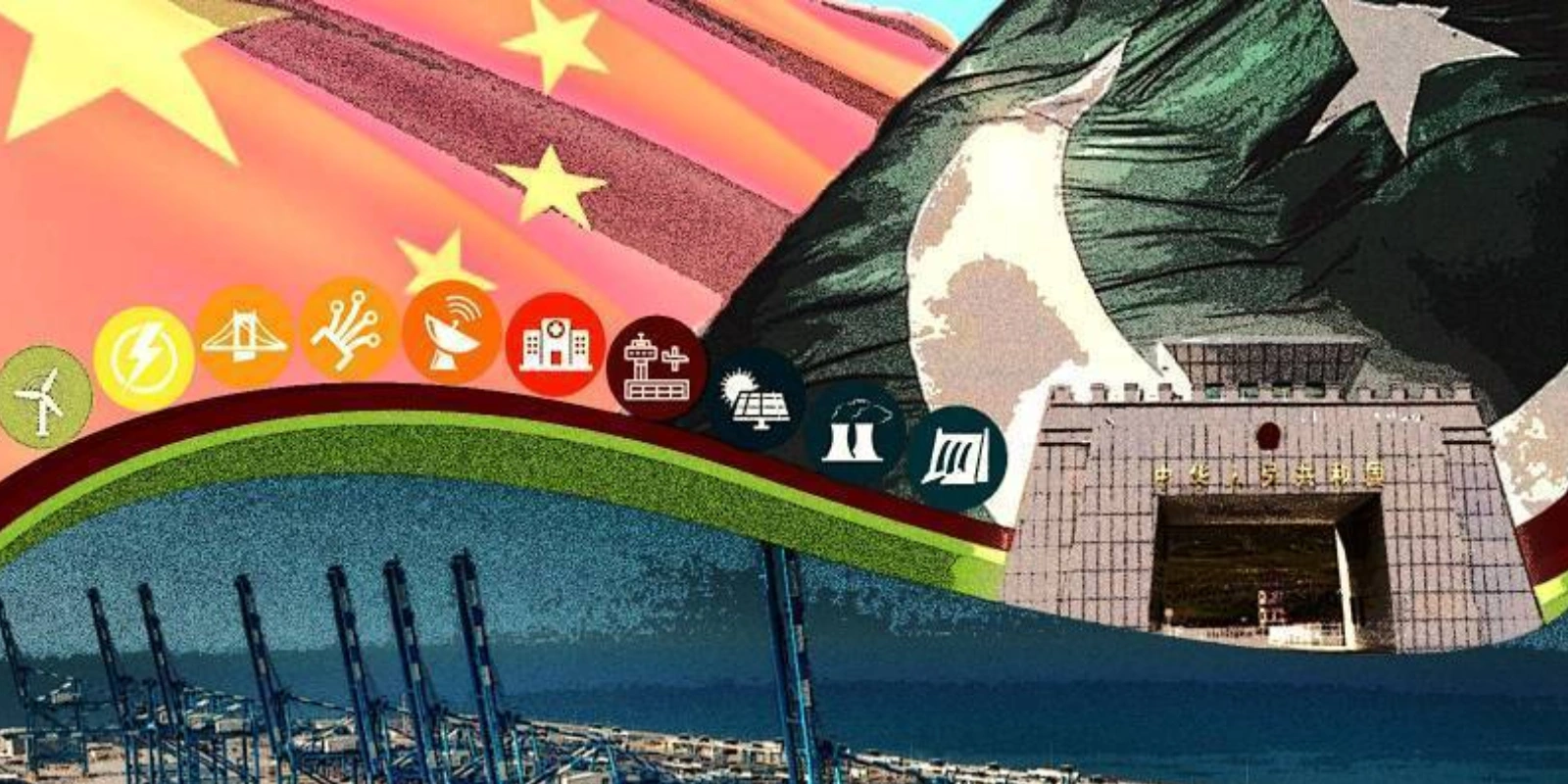
Introduction to CPEC Phase II
Pakistan and China have moved CPEC Phase II from planning into a more results-driven track, reaffirming political backing and administrative focus as reported by Mettis Global reporting on Pakistan-China CPEC phase-II commitment. The signal is practical: both sides are tying new activity to export growth, productivity, and investment mobilisation rather than headline project counts. Officials have emphasised continuity and pace, with coordination aimed at resolving bottlenecks that slowed delivery in recent years. That tone matters because Phase II is being framed as a shift toward sectors that directly lift incomes and competitiveness. On the ground, it also suggests a tighter pipeline for approvals and monitoring, with greater attention to measurable outcomes such as jobs created, value added, and logistics reliability.
Strategic Objectives of Phase II
The strategic objectives being attached to Phase II are clearer than earlier cycles: deepen the China-Pakistan Economic Corridor into an operating production network, not just a construction program. The centre of gravity is industrial cooperation through special economic zones, alongside modernisation in agriculture, technology collaboration, and energy transition, all presented as mutually reinforcing. This framing is consistent with how coverage of the renewed Phase II focus describes priority growth sectors and implementation discipline. The intent is to pull private capital into bankable ventures, link transport corridors to real manufacturing clusters, and use connectivity to reduce delivery times for exporters. In practical terms, CPEC cooperation is being attached to supply-chain upgrades, regulatory streamlining, and targeted facilitation for firms willing to scale output.
Challenges and Opportunities
The challenges are no longer abstract; they sit in financing structures, project sequencing, and the credibility of timelines. Pakistan’s macro constraints and external-account pressure have made lenders and investors demand clearer risk allocation, while energy-sector circular debt and tariff politics complicate industrial planning. Yet the opportunity set remains significant if governance tightens. Greater transparency in procurement, stronger dispute resolution, and faster customs processes can make Phase II attractive for manufacturers who need predictability. The policy pivot also creates room to align CPEC cooperation with skills development and technology transfer, especially where Pakistani firms can move from subcontracting to co-production. For a wider view of the public signals around recommitment, this aggregated news update on Phase II messaging captures how the narrative is shifting toward execution.
Economic Impact on Pakistan
The economic impact on Pakistan will hinge on whether Phase II converts connectivity into higher-value exports and import substitution in targeted inputs. If SEZs and allied reforms translate into operational factories, the Pakistan economy gains through payroll expansion, tax base broadening, and steadier foreign-exchange earnings. The more immediate gains could come from logistics and trade facilitation that lowers the cost of moving goods from inland producers to ports, improving margins for textiles, food processing, and light engineering. Energy reliability, another decisive variable, affects every cost curve and determines whether firms can run multi-shift operations. The question is not whether the corridor exists, but whether it becomes commercially useful for producers facing regional competition. For context on how the “CPEC 2.0” framing links to deeper commercial ties, this report on the CPEC 2.0 push highlights the emphasis on practical economic linkages over symbolic milestones.
Future Prospects of CPEC
Future prospects for CPEC Phase II look strongest where policy commitments are matched by enforceable delivery mechanisms: credible project appraisal, coordinated federal-provincial facilitation, and routine monitoring that is public enough to build investor confidence. The corridor’s next phase is being positioned to integrate green energy, digital services, and modern agriculture with industrial development, which can help Pakistan diversify away from narrow export baskets. The most durable outcome would be a pipeline where Chinese and Pakistani firms jointly scale production, adopt higher standards, and secure third-market access. Progress will be judged less by announcements and more by monthly indicators such as factory commissioning, freight turnaround, and export orders generated from SEZ tenants. If those metrics improve, the China-Pakistan Economic Corridor becomes a repeatable investment platform rather than a set of isolated projects, anchoring longer-run stability through productive capacity.

