
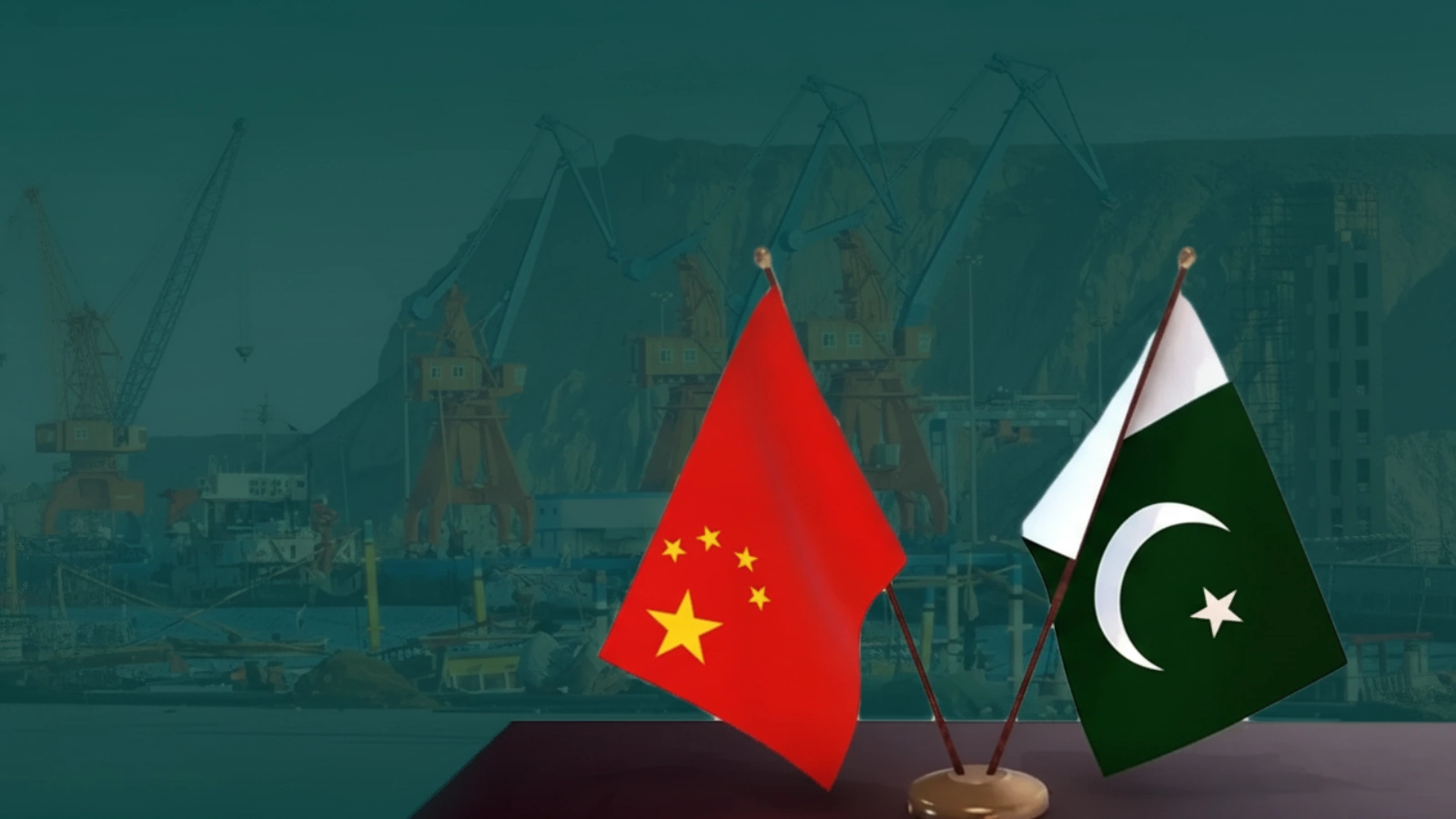
Introduction to CPEC 2.0
CPEC 2.0 is being positioned as a clear pivot from early power and connectivity wins to factory-floor delivery, with the CPEC industrial phase now described as the central test of the corridor’s next cycle. The shift, highlighted in coverage aligned with The Express Tribune’s framing, puts special economic zones, joint ventures, and value addition at the front of government-to-government coordination. This is not a rebranding exercise; it is a sequencing decision that ties investor confidence to predictable approvals, serviced land, and enforceable contracts. For Pakistan, the China-Pakistan Economic Corridor’s new emphasis demands tighter interprovincial alignment and faster agency execution, because industrial readiness is measured in utilities, permits, and throughput rather than announcements.
Significance of the Industrial Phase
The significance of the CPEC industrial phase lies in how quickly it can convert corridor traffic into production ecosystems, especially inside SEZs where firms need stable power, gas, water, and logistics on day one. Under CPEC 2.0, officials are signaling that the next benchmark is tenant onboarding and operational capacity, not simply groundbreakings. That makes policy consistency decisive: tariff clarity for inputs, customs facilitation at ports and dry ports, and predictable taxation for long-horizon manufacturing bets. It also intensifies the need for coordinated project reporting so investors can track zone-by-zone readiness without guesswork. Coverage and background briefings increasingly point readers to continuing updates on new cooperation tracks and the evolving rationale for phase-two delivery.
Potential Economic Impacts
The economic impacts being attached to this industrial development drive are framed around job creation, export diversification, and import substitution, but the most immediate metric will be whether Pakistan can lift plant utilization and reduce logistics friction for manufacturers. If SEZ tenants begin shipping at scale, the corridor’s transport links become more than transit; they become part of a competitive cost base for processed goods, engineering products, and time-sensitive shipments. That is why the China-Pakistan Economic Corridor narrative is now closely tied to trade facilitation and industrial clustering rather than isolated projects. On the information side, policymakers and analysts regularly cite rolling coverage and data points from Express Pakistan’s reporting and reference material at cpecinfo.com project resources to benchmark progress and timelines.
Challenges and Opportunities
The main challenges sit where industrial policy meets execution: land acquisition disputes, uneven utility provisioning, complex environmental approvals, and slow dispute resolution can each stall zone momentum even when financing is available. Security and insurance costs remain a consideration for large foreign-backed installations, while domestic firms want simpler access to credit and faster refunds to support working capital. Yet the opportunities are equally concrete if the state treats zones as service platforms, not real-estate parcels. Streamlined one-window operations, predictable inspection regimes, and digitized customs processes can compress time-to-market for new lines. Provincial coordination matters because supply chains cross borders, and industry cannot scale in silos. Recent reporting on high-level reviews of momentum and fast-tracking moves in Sindh reflects the practical push to remove bottlenecks zone by zone.
Future Outlook for CPEC Projects
The future outlook for CPEC projects, as the industrial phase commences, depends on whether CPEC 2.0 can keep a disciplined pipeline: finish enabling infrastructure, lock operating frameworks, and then scale tenants through targeted sector priorities. The next twelve to twenty-four months are likely to be judged by operational milestones such as utility connections, occupancy rates, and export receipts rather than by headline value figures. For Islamabad, credibility will come from transparent timelines and enforceable facilitation, while Beijing’s commercial actors will watch for predictable governance and stable macro signals. The corridor’s industrial turn also raises the bar for skills development, because factories require technicians, compliance managers, and supervisors as much as they need capital. For readers tracking the broader arc, phase-two outlook reporting provides a useful lens on what comes next and how success will be measured.

