
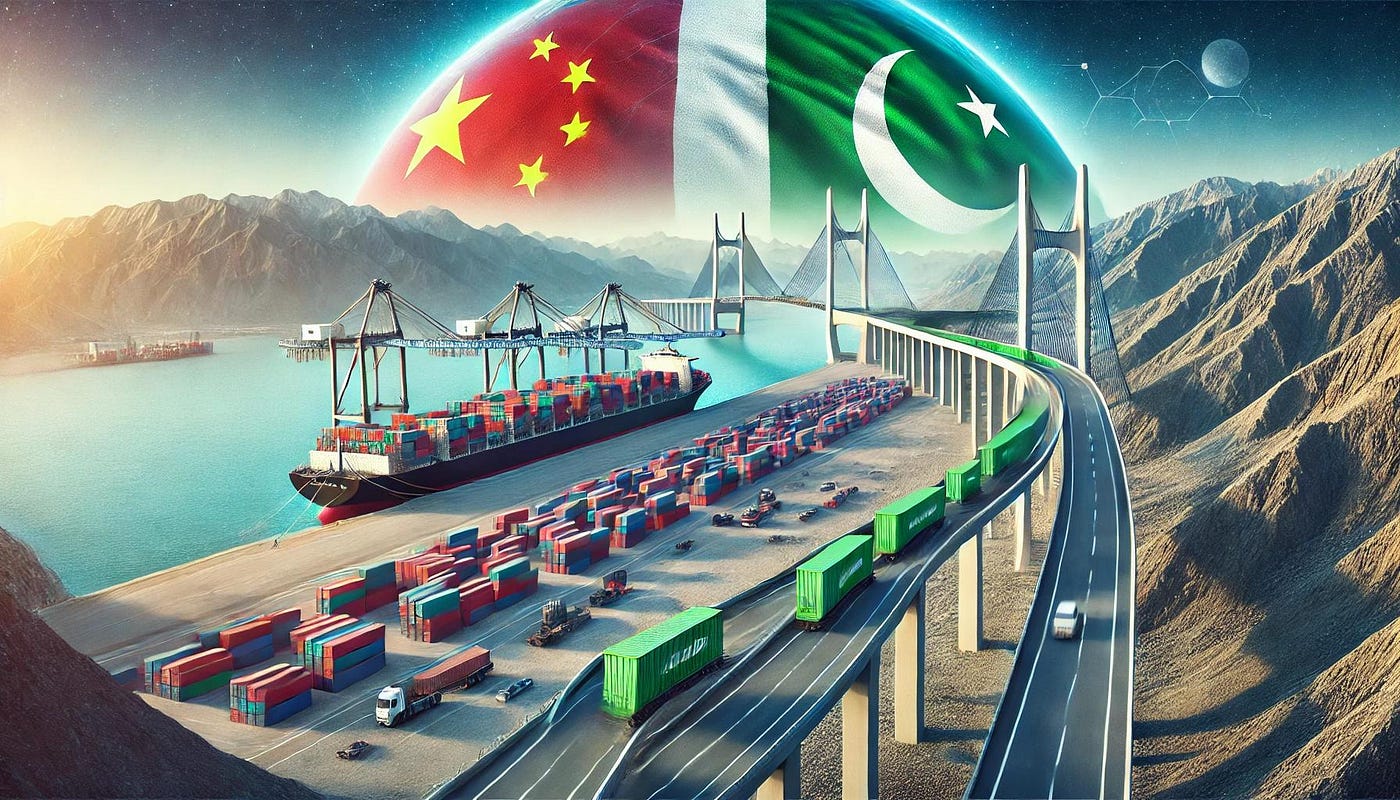
Introduction to CPEC 2.0
CPEC 2.0 is being presented as a practical reset: fewer headline-grabbing announcements and more deliverable, sector-specific cooperation. Chinese envoy Sun Yan’s remarks, carried widely in Pakistani coverage, frame the next phase as a widening of partnership rather than a change of direction. The emphasis is on mature project management, stronger coordination between agencies, and a clearer pipeline that can absorb private capital alongside state-backed work. In Pakistan’s policy circles, the message is simple: phase two prioritises industrial capacity, trade facilitation and services that keep projects bankable. The conversation is now about execution tempo, dispute resolution and measurable outcomes that can be tracked quarter by quarter.
New Avenues of Collaboration
The most immediate “new avenues” sit in areas where China-Pakistan cooperation can move from infrastructure delivery to production and services. Special economic zones, logistics parks and export-oriented clusters are being framed as the spaces where joint ventures can scale. This is the stage where economic collaboration matters less as a slogan and more as a set of contracts, tariff treatments, and operating rules that reduce friction for firms on both sides. A clearer lens is also emerging around skills, standards and technology transfer, particularly where Pakistani suppliers can integrate into regional value chains. Recent summaries on CPEC 2.0 cooperation channels reflect that the next gains will come from tighter linkages between industrial policy and corridor connectivity, not from duplicating earlier road-and-power narratives.
Economic Benefits for Pakistan
For Pakistan, the economic case being made is rooted in competitiveness: reducing time-to-port, improving reliability of transport and energy services, and making industrial inputs less costly to move. If implemented cleanly, those changes can lift export performance and support higher-value manufacturing without relying on short-term demand stimulus. The framework being discussed points to job creation through factory operations and service ecosystems around freight, warehousing, maintenance and compliance. It also links corridor upgrades to food and agriculture value chains, where cold storage and processing can reduce post-harvest losses and stabilise supply. Coverage that focuses on phase-two outcomes, including Pakistan’s economic uplift in CPEC Phase II, highlights that credibility will depend on revenue-generating assets and predictable rules for investors rather than on ribbon-cutting moments.
Role of China’s Investments
China’s investment role in CPEC 2.0 is being described less as blanket financing and more as targeted capital aligned with risk controls. That means a larger share of project selection built around cash flows, operational readiness and repayment structures, alongside greater attention to local partner capacity. It also means standards: procurement discipline, timelines, and operational performance that can withstand scrutiny. Reporting tied to Sun Yan’s comments has underscored that cooperation is expanding, but the signal for markets is that projects must pass tougher viability filters. The core reference point remains official and media reporting from sources such as Daily Times coverage of Pakistan’s economy and CPEC, where the narrative increasingly stresses coordination, industrial outcomes and trade facilitation as the anchor for sustained bilateral investment momentum.
Future Prospects and Challenges
Future projects will be judged by how well both sides manage bottlenecks that have historically slowed delivery: land acquisition disputes, inter-agency overlaps, payment arrears, and uneven provincial execution. The challenge is not ambition; it is governance capacity and the discipline to keep timelines intact. A second pressure point is the global environment, where financing costs and geopolitical noise can raise due diligence demands and amplify reputational risk. That is why the next phase is being positioned around better monitoring and transparent milestones, so delays are identified early and corrected without derailing entire portfolios. The practical pathway is visible in policy-focused updates such as commitments on growth-sector focus, which underline that the corridor’s next chapter will be measured by industrial output, trade volumes and operational reliability.

