
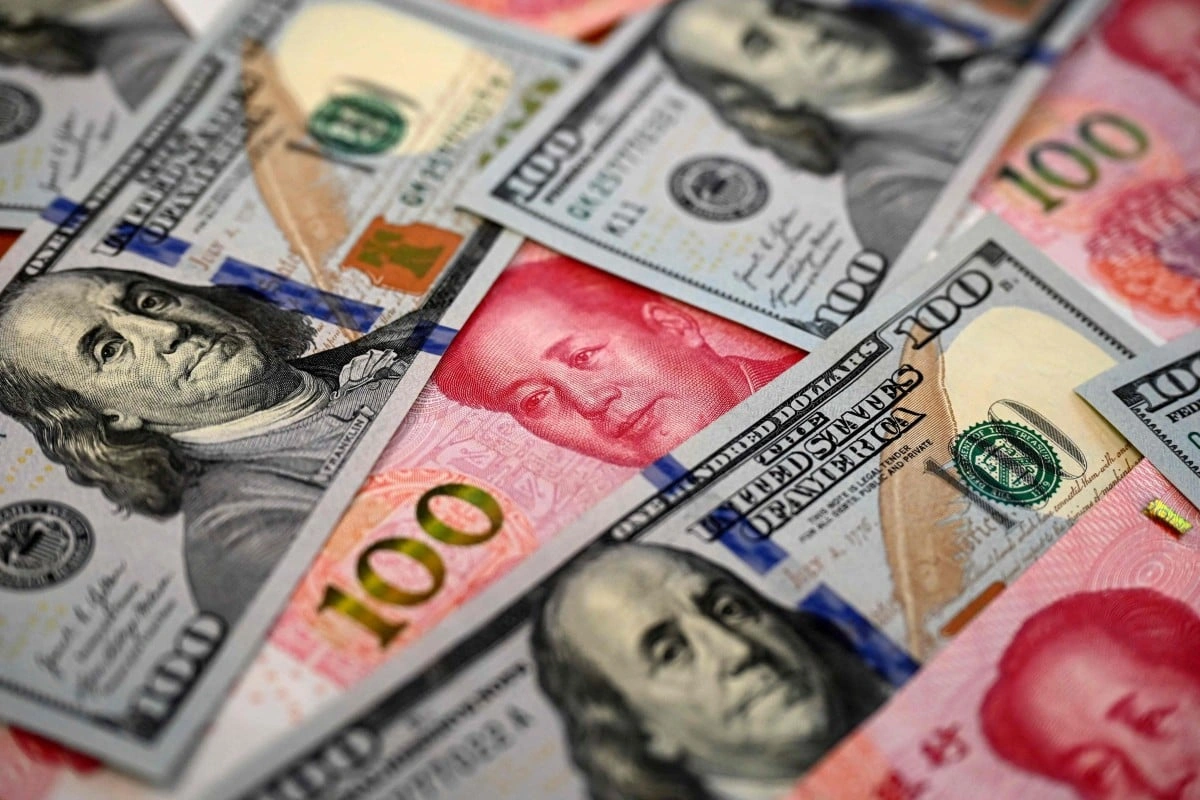
The Chinese Yuan is expanding its global footprint at a pace that may be underestimated by Western data sources, according to market analysts tracking cross border financial activity. While official statistics suggest gradual progress, experts argue that real world adoption of the yuan is accelerating through trade settlements, regional agreements, and alternative payment systems that are not always fully captured in conventional reporting frameworks.
A growing number of countries and businesses are increasingly using the yuan in international transactions, particularly in sectors such as energy, commodities, and infrastructure. This shift is partly driven by efforts to diversify away from reliance on dominant reserve currencies, as well as by closer economic ties with China. Analysts note that bilateral trade deals and currency swap agreements are playing a significant role in boosting yuan usage across emerging and developing markets.
Financial institutions have also started expanding yuan denominated products, while some central banks are gradually increasing their holdings of the currency in foreign exchange reserves. This trend reflects a broader evolution in the global monetary system, where diversification and risk management are becoming key priorities. As more institutions adopt the yuan, its role in international finance is expected to strengthen further.
Technological advancements are contributing to this growth, with improved digital payment systems and cross border financial infrastructure enabling smoother yuan transactions. China’s push for innovation in financial technology has created new channels for international usage, particularly in regions where traditional banking systems may be less efficient or accessible.
As global economic conditions continue to shift, the yuan’s rising presence suggests a gradual move toward a more multipolar currency landscape. Analysts believe that while official data may lag behind, the underlying trend of increasing global adoption is becoming more evident across trade and financial networks.

