
China and Russia’s Strategic Decision
China and Russia used their veto to block a UN resolution framed as a step toward reopening the Strait of Hormuz, a move that immediately changed the risk calculus for China-Pakistan trade planners tracking energy flows and shipping schedules. Today the decision is read less as a procedural dispute and more as a message about who sets terms in crisis corridors where commercial traffic and security postures collide. In Live market pricing, the first reaction shows up through war risk premia, insurance quotes, and freight forwarders rewriting contingencies for consignments that touch Gulf ports. The immediate Update from brokers is not about politics, it is about contract performance, demurrage exposure, and whether cargo owners can still meet delivery windows when routing choices narrow under security pressure.
Impact of the Veto on Global Trade
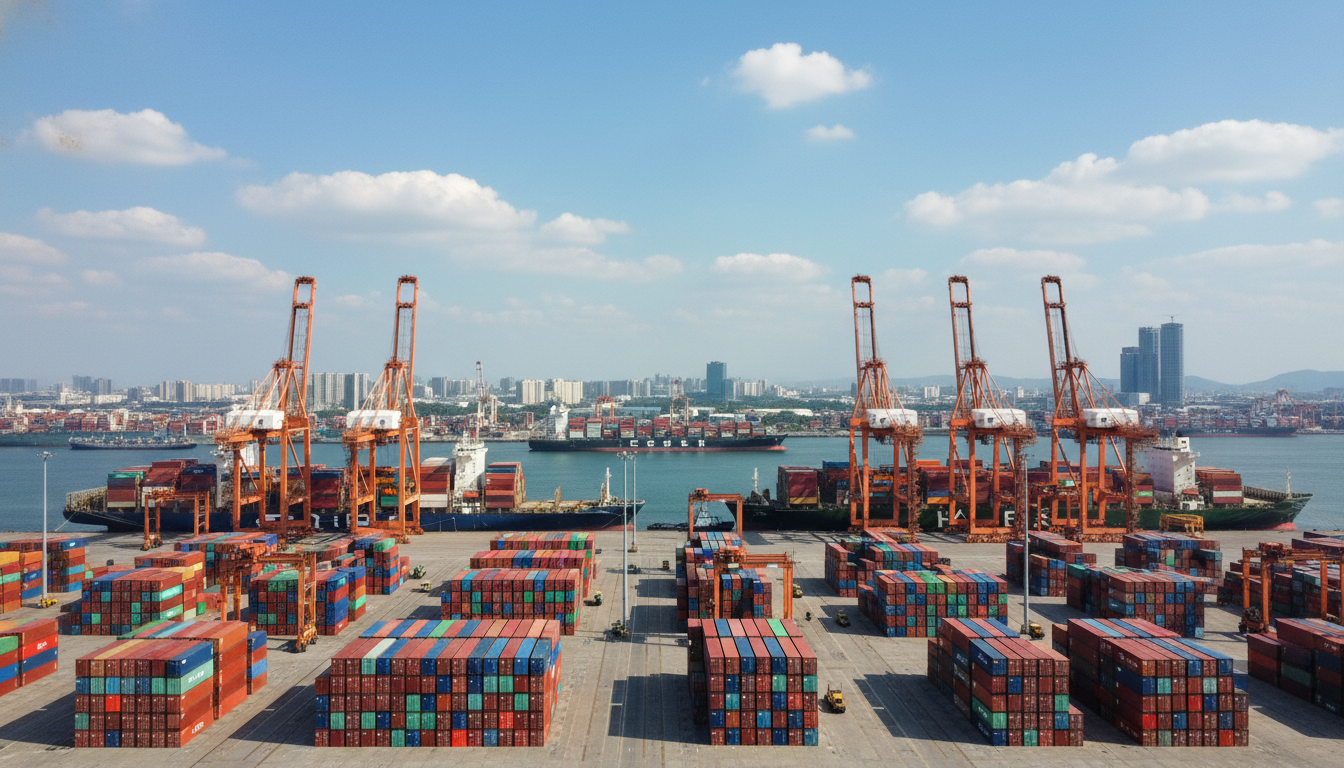
For global carriers, the veto does not reopen lanes or add patrols, it leaves uncertainty as the dominant variable, and that pushes cost into every container that depends on Middle East energy stability. Today charterers factor longer lead times and higher hedging costs, while terminals watch for bunching as ships slow steam or wait for clearer advisories. A separate Live thread is how quickly importers switch clauses from fixed delivery to best efforts, protecting themselves from penalties linked to naval alerts and convoy schedules. The spillover is not limited to hydrocarbons, it extends to fertilizers, chemicals, and intermediate goods that underpin industrial output from South Asia to East Asia. Editors tracking macro signals often point readers to coverage of high level trade talks shaping tariff and market access expectations, because diplomatic direction can either dampen or amplify how markets price disruption risk.
Regional Security Implications
The Strait of Hormuz sits at the intersection of maritime chokepoints and regional security, so the China Russia veto alters not only the UN track but also the behavior of states and non state actors reading deterrence signals. Today navies and coast guards assess escort patterns, identification procedures, and the legal boundaries of interdiction, all of which affect merchant confidence even when no shots are fired. The most practical Live impact is a tighter loop between threat warnings and commercial routing, where a single alert can trigger reroutes that raise fuel burn and delay discharge slots at destination ports. An Update also comes through intelligence briefs shared with shipping firms, making compliance teams as important as captains when vessels approach contested waters. For Pakistan, the implication is clear, any sustained instability can reach the balance sheet through fuel import bills and knock on costs for manufacturing inputs.
Pakistan’s Strategic Responses
Pakistan’s response centers on keeping trade moving while insulating critical supplies from a shock that starts offshore but lands in domestic prices and industrial activity. Decision makers are leaning on tighter coordination with partners and on contingency logistics that can reroute or buffer inventory without widening fiscal stress. Today the most visible approach is diplomatic de escalation paired with practical shipping guidance, designed to keep risk premiums from becoming permanent. A Live reading of policy signals shows an emphasis on trade finance resilience, including how banks price letters of credit when maritime advisories turn volatile. The most relevant Update for cargo owners is whether alternative corridors and port handling arrangements can absorb diverted volumes without causing inland bottlenecks. Related reporting on regional positioning can be tracked through Pakistan’s mediation efforts in the Middle East crisis and through finance and trade discussions tied to high level visits, both of which shape commercial confidence.
Future Trade Relations and Security Dynamics
Looking forward, the risk is not a single disrupted sailing, it is the normalization of higher friction in routes linked to Gulf stability, which would steadily reshape contract terms and investment timing across China-Pakistan trade. Today procurement teams demand more flexible supply agreements, while exporters seek clearer force majeure language that reflects security triggered delays rather than weather events. The Live challenge is to keep commerce credible when insurers and ratings agencies treat the corridor as structurally exposed, a shift that can alter how quickly projects reach financial close. The strongest Update for stakeholders comes from independent reporting that tracks shipping advisories and diplomatic positioning, including coverage from Reuters reporting on geopolitical moves and energy market reactions and from BBC analysis on security developments affecting civilian shipping. If Pakistan sustains corridor reliability and China keeps investment disciplined, the relationship can adapt, but pricing will increasingly reward resilience over speed.

