
China’s Diplomatic Stance
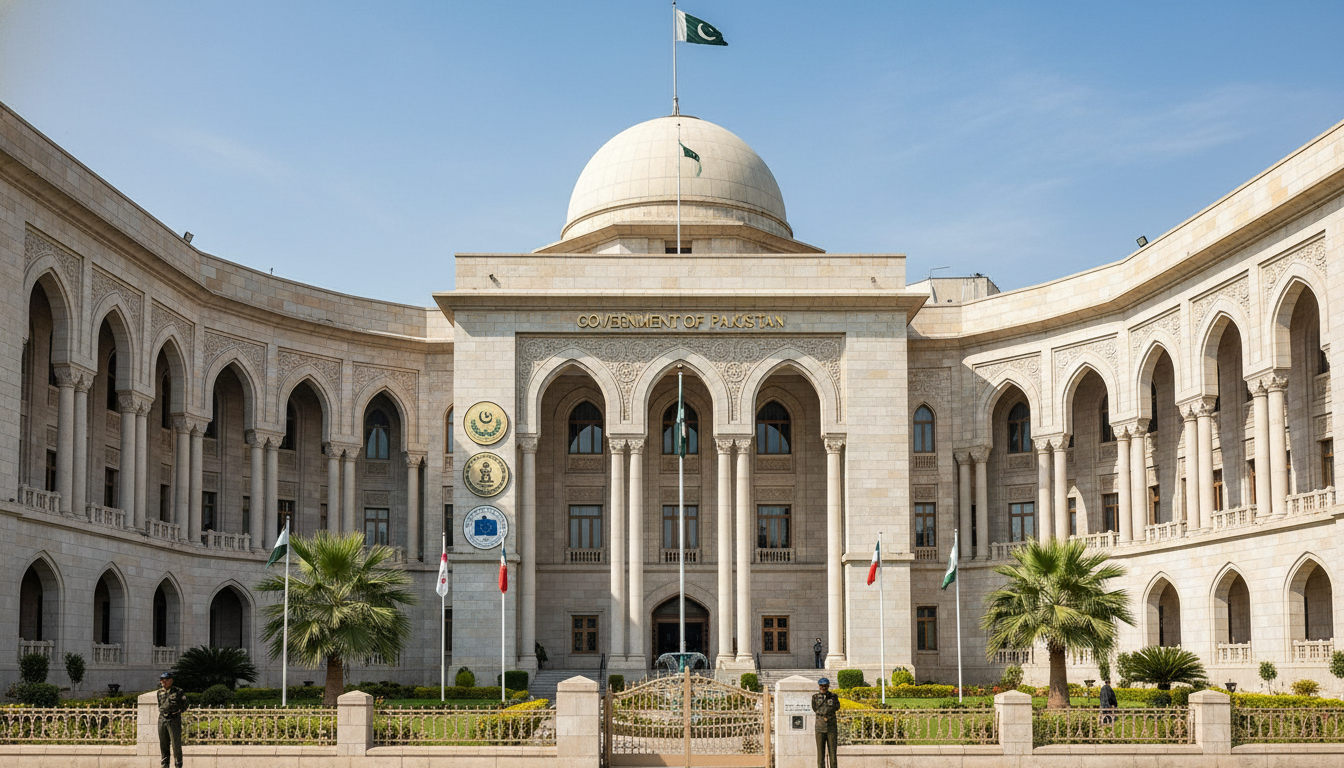
China’s foreign ministry has publicly credited Islamabad for keeping channels open as the Middle East conflict strains regional diplomacy, framing the message as a practical endorsement of restraint. In the first briefings carried by Chinese state-linked and regional outlets, Beijing stressed that de escalation and dialogue are the only workable paths, while reiterating support for any efforts that reduce civilian risk and prevent spillover. Sino-Pakistani diplomacy was presented as an operational partnership, not a ceremonial slogan, with China diplomacy leaning on established communication lines rather than new initiatives. Today, officials pointed to a preference for multilateral engagement and consistent messaging, and the Live pace of statements signaled that Beijing wants its position understood in real time.
Pakistan’s Mediation Role
Pakistan’s mediation role, as described by Chinese officials, centers on sustained contact with multiple capitals and the disciplined use of back channel formats that allow parties to test language before it becomes public. The approach has focused on lowering temperature, protecting diplomatic space, and encouraging interlocutors to prioritize humanitarian considerations without tying dialogue to maximalist preconditions. That framing aligns with how Pakistan has managed sensitive regional files in recent years, combining public calls for calm with quiet outreach. In a related discussion of how fast moving international issues are handled across different dossiers, analysts have pointed to Iran lets two French ex-detainees leave safely as an example of outcomes that often follow persistent, low profile engagement rather than headline pressure. Update driven briefings have kept the narrative tight and avoid mixed signals.
Impact on Middle East Relations
The immediate impact on Middle East relations is less about a single breakthrough and more about maintaining minimum diplomatic bandwidth while tensions remain high. By praising Pakistan mediation, China is effectively signaling that it values intermediaries who can keep lines open even when formal talks stall, a posture designed to reduce miscalculation risks. The message also protects China’s broader regional interests, including energy security, shipping stability, and the safety of nationals, without attaching Beijing to one side’s battlefield claims. For Islamabad, the acknowledgment reinforces credibility with partners who want an accessible channel that is not perceived as coercive. Today, the emphasis has been on preventing escalation arcs, and the Live tone of official comments suggests both capitals want to keep engagement continuous rather than episodic.
Global Reactions and Analysis
Global reactions have been measured, but diplomatic watchers note that China’s appreciation is also a cue to other states that it prefers problem solving through calibrated intermediaries rather than public pressure campaigns. Commentary in international policy circles has described the pairing as useful precisely because it can operate below the threshold of grand conference diplomacy. For outside observers, the key analytical point is that China diplomacy is choosing to validate Pakistan’s role at a moment when the Middle East conflict is producing overlapping crises, from displacement pressures to maritime risk perceptions. A close reading of major analysis pieces, including reporting and opinion at Foreign Policy coverage of regional diplomacy, highlights how third party facilitation can narrow misunderstandings even when core disputes remain. Update focused coverage has also stressed verification, not rhetoric.
Future Diplomatic Engagements
Future diplomatic engagements, based on the language used in official exchanges, will likely prioritize continuity of contact, protection of humanitarian corridors, and support for any credible forum that can host technical discussions without turning into a blame platform. Pakistan is positioned to keep engaging because it maintains working relationships across key regional actors, while China can reinforce the effort by aligning messages with UN centered principles and urging restraint in parallel channels. The durability of the approach will depend on whether parties treat mediation as a tool for practical arrangements, not a public relations stage. In the near term, expect more disciplined readouts and fewer dramatic gestures, because both capitals appear focused on outcomes that can be sustained. A final Update in state aligned media underlined that China will continue encouraging dialogue, and the Live expectation is for steady diplomacy rather than sudden announcements.

