
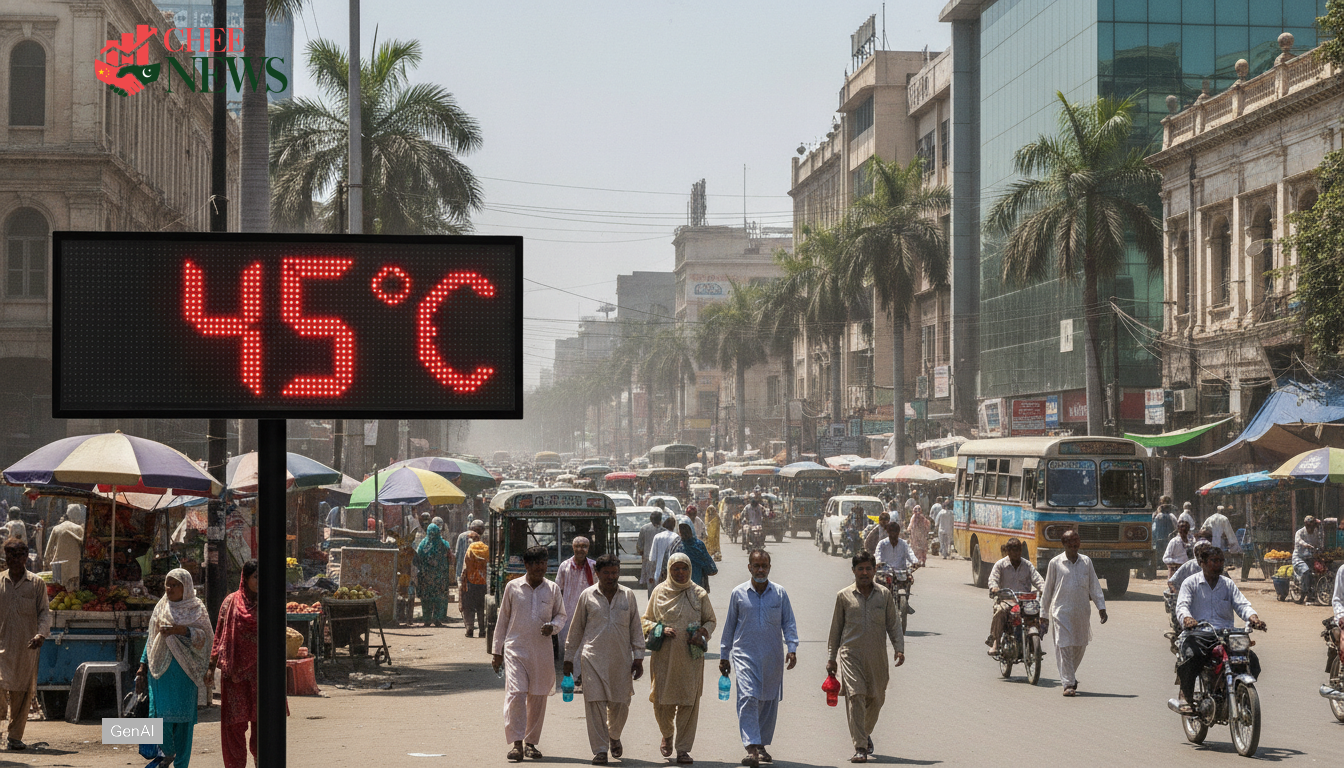
Back-to-back record heat raises alarm
Pakistan has experienced consecutive unusually hot years, as indicated by assessments from the Pakistan Meteorological Department (PMD) reported by Dawn. Officials suggest that this pattern is observable across multiple provinces and includes higher nighttime temperatures, which may increase health risks during prolonged hot spells. City administrations and health departments are considering the pattern as a planning factor, particularly as heat illness risks rise and electricity demand spikes. Public health researchers highlight that warmer nights can reduce recovery time for vulnerable groups, potentially increasing cardiovascular strain during extended hot periods and complicating emergency response planning in major urban centers.
Record temperatures strain farms and water systems
Heat impacts crop calendars and irrigation scheduling, with small shifts potentially leading to significant losses for farmers. The situation, linked by Dawn to increased stress on agriculture and reservoirs, highlights warnings from the Indus River System Authority about potential sharp divergences in water availability and demand during hotter periods. These consecutive warmest years in Pakistan may also amplify evapotranspiration, requiring more water to achieve the same field moisture outcomes and tightening margins for canal rotations during peak heat windows.
Heat action plans expand under persistent heat conditions
Government agencies are increasingly implementing heat action protocols, which include warnings, adjusted work hours, and emergency preparedness in districts that historically experienced fewer extreme days. According to Dawn, officials are emphasizing the need for coordinated heat management as Pakistan’s weather patterns appear less predictable amidst climate change. Related policy discussions on resilience and investment capacity can be seen in this coverage and this article. Municipal corporations have expanded water points and shade in markets and transport hubs, while disaster authorities advise hospitals to review surge capacity and triage readiness.
What PMD data and climate science indicate
Scientists assert that heat extremes are part of a broader warming trajectory detected through long-term station records and reanalysis datasets. The characterization of consecutive warm years, attributed to the PMD by Dawn, is increasingly discussed alongside humidity and urban heat island effects, as apparent temperature might rise faster than air temperature alone. Researchers relate the increasing frequency of record temperatures to the global climate change signal detailed in Intergovernmental Panel on Climate Change assessments. Analysts add that expanding monitoring networks and verification could enhance local forecast accuracy and strengthen early warning credibility.
Preparedness priorities for future hot seasons
Planning documents are increasingly focused on readiness for hotter baselines that render old thresholds for schools, workplaces, and transport less reliable. According to Dawn, this pattern serves as a warning for long-term preparedness, particularly concerning water management, public health, and energy demand, especially in Punjab and Sindh. Provincial disaster management authorities emphasize that early warnings should lead to local actions, including access to cooling for outdoor workers and better emergency medical transport coordination. Adaptation specialists maintain that resilience depends on enforceable building regulations and heat-aware urban design, crucial in areas where dense housing traps night heat. Officials are considering upgrades to forecasting, hospital triage protocols, and drought management triggers to ensure timely responses each hot season.

