
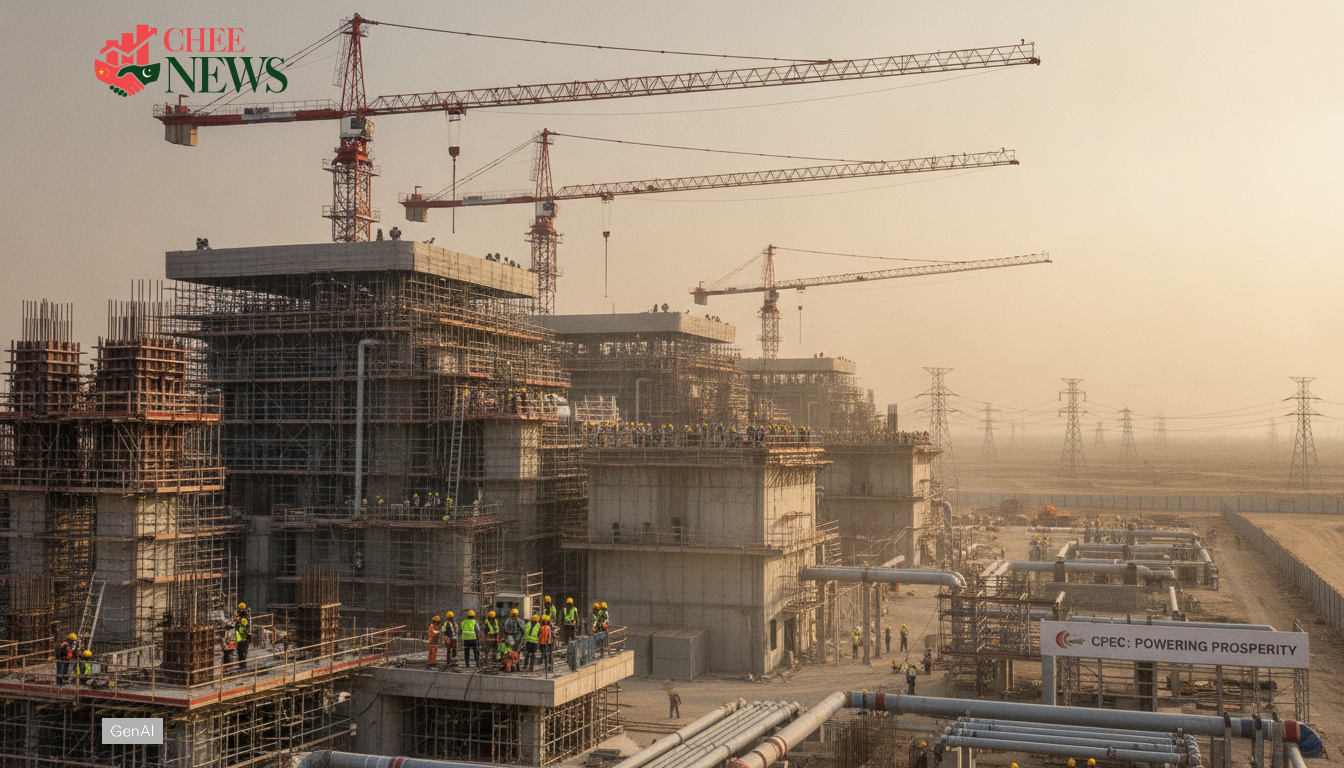
Power build speeding up around CPEC-linked investments
CPEC-linked investments are pushing faster progress on transmission links, generation tie-ins, and fuel logistics as federal and provincial agencies aim to streamline procurement and clearances, according to available reports. Planning documents from Pakistan’s Ministry of Energy have emphasized grid stability and lower technical losses, with added capacity targeted at high-demand corridors. In practice, interconnection studies and dispatch planning are being pulled earlier in the build cycle to reduce delays after commissioning, based on common implementation approaches described by project participants. Project teams are also coordinating more tightly with distribution companies so new capacity is less likely to be stranded by bottlenecks. These shifts matter because they address constraints that previously muted the impact of new plants. The pace now hinges on execution discipline across multiple agencies and timelines, including federal ministries and provincial energy departments.
Chinese financing and delivery chains behind energy build plans
Capital deployment is increasingly shaped by risk allocation, payment security, and the ability to move equipment through ports and inland routes on schedule. It has been indicated that Pakistan’s Ministry of Finance has previously discussed considerations around liquidity management in the power sector, as circular debt can affect investor confidence and contractor cash flow. In these buildouts, Chinese participation often comes via EPC sequencing and vendor-backed supply chains for turbines, boilers, and grid hardware, which can shorten procurement lead times when milestones are locked, as contractors often argue in project updates. A related view of China’s infrastructure capability appears in China satellite launch tests fast broadband links in orbit, underscoring how scale is supported by integrated industrial capacity, and the investment story is therefore as much about delivery systems as it is about headline pledges.
Economic effects from corridor power additions
For industry, the immediate benefit is improved predictability for load planning, which can affect overtime, inventory, and shift scheduling more than headline megawatts. Pakistan energy managers in export-facing sectors often track voltage stability and forced outage frequency because these determine whether machinery runs within tolerance. Where new plants and grid reinforcements reduce unplanned interruptions, factories may be able to commit to tighter delivery windows and lower buffer stock. State Bank of Pakistan communications in recent years have discussed how energy conditions can influence productivity and investment sentiment; however, the strength and timing of this link varies by sector and region. To connect execution with policy and coordination, readers can follow PM Shehbaz China trip for CPEC project updates push and Pakistan 2026-27 Budget: Key Players and Outlook, and any gains also arrive unevenly, and are typically easiest to observe at the firm level.
Implementation risks affecting CPEC energy projects timelines
Delivery still faces predictable constraints, with land acquisition disputes, right-of-way gaps, and delayed approvals creating cost escalation and schedule slippage, as developers and local stakeholders often report. The National Electric Power Regulatory Authority has published material on how tariff pathways and payment flows can influence whether new capacity is dispatched economically once commissioned. In addition, fuel supply planning and port handling can become choke points if import logistics and storage are not synchronized with plant testing milestones. Contractors working across provinces also manage security requirements and local workforce onboarding, adding time and administrative load. These frictions complicate CPEC growth because financiers look for clear cash waterfalls, while operators need stable dispatch rules to maintain plant health. The result is that execution quality, not just financing, largely determines whether projects translate into more reliable power, and CPEC energy projects are assessed most heavily on that operational follow-through.
Outlook: what success looks like for the CPEC energy projects pipeline
The next phase is likely to prioritize grid resilience, better forecasting, and a cleaner generation mix that can be integrated without destabilizing frequency and voltage. Pakistan’s Alternative and Renewable Energy Policy targets 30% renewable electricity by 2030, and the practical task is building transmission that can absorb variable output while maintaining reliability standards. Even where thermal capacity remains essential, dispatch efficiency and heat-rate performance will shape costs more than nameplate size. The pipeline will therefore be judged by operational results, including outage rates, ramping capability, and coordination with distribution upgrades. Investors and policymakers are also watching contract structures, especially payment guarantees and arbitration clarity, because these determine financing terms. Momentum can persist if governance improvements keep pace with construction and testing timelines, particularly in Islamabad and key provincial capitals.

