
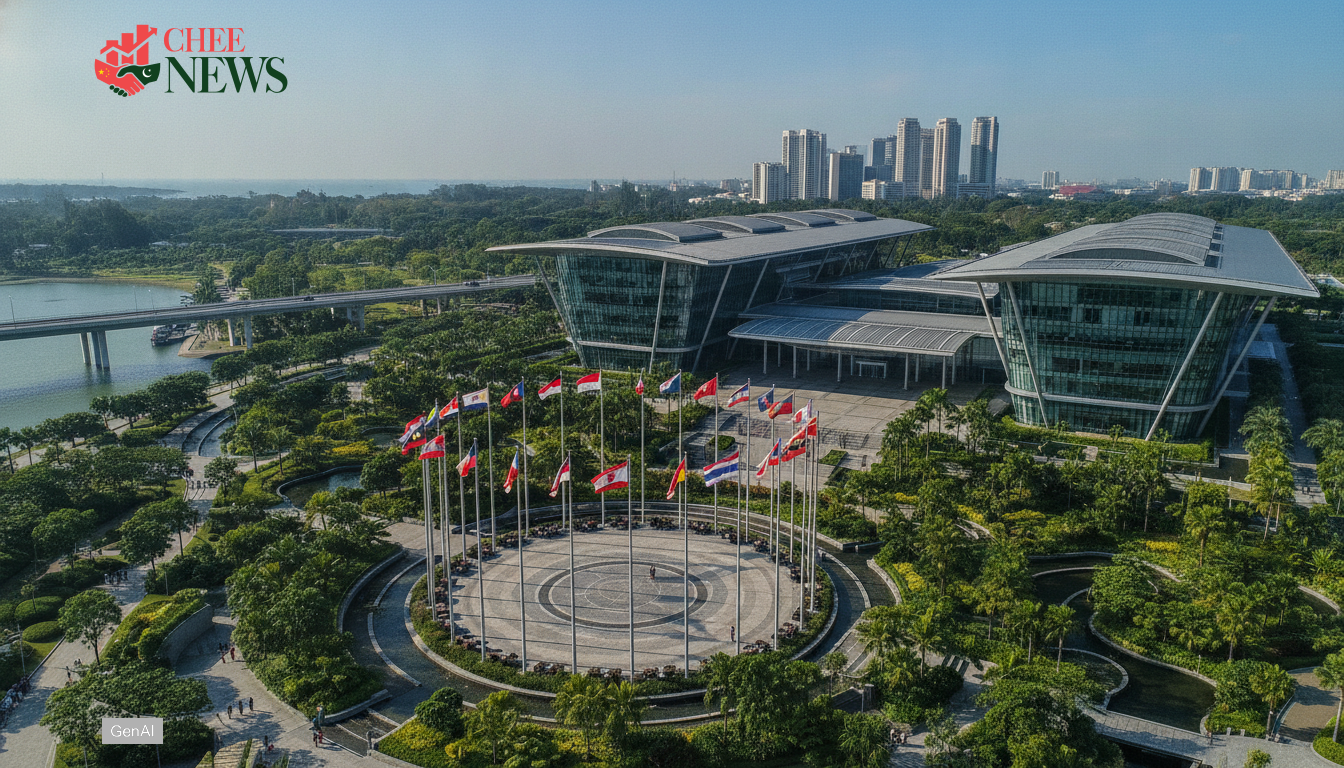
Sino-Pakistani diplomacy and the Singapore summit signal
Sino-Pakistani diplomacy is being read through reports that China chose to send a lower-level delegation to the Shangri-La Dialogue in Singapore, a venue where defence leaders typically use speeches and side meetings to signal priorities. For Pakistan, the immediate question is how to interpret Beijing’s multilateral posture while keeping bilateral coordination steady on security, economics and regional risk management. The 2024 Shangri-La Dialogue was scheduled to run from May 31 to June 2, according to the event’s published programme and conference announcements, concentrating attention on presence, protocol and who meets whom. Islamabad’s diplomats and security officials often treat these signals as a proxy for how China may sequence engagement with partners when scrutiny is high, though such interpretations can vary by observer. That sequencing can affect timelines, messaging and expectations across the region.
What China’s lower level attendance means for Pakistan
Based on media coverage and public readouts, China’s choice not to send top defence leadership shifted attention to what Beijing may have preferred not to emphasise on an open stage. This matters for Pakistan because bilateral channels can become the primary avenue for assurance when multilateral optics are limited. Some analysts have argued in commentary that summit media cycles can harden narratives quickly, and partners then adjust public language to prevent misinterpretations. In this context, Pakistan’s messaging on defence cooperation and crisis communications may rely more heavily on pre-arranged consultations and existing mechanisms, rather than new public announcements. Related economic signalling can run in parallel, including pressure points in technology and supply chains that complicate strategic narratives, as ongoing reporting on trade and industrial policy disputes has suggested; for background on those intersecting themes, China tech overproduction dispute hits EV exports illustrates how economics and security often travel together in regional diplomacy.
Security coordination and CPEC messaging in parallel
Without a marquee Chinese address, delegations in Singapore appeared to focus more on practical risk reduction than on big declarations, based on session summaries and post-panel reporting. Pakistan’s observers often watch how Beijing balances restraint with presence because that mix can influence expectations for training links, equipment discussions and intelligence coordination, even if outcomes are not always visible publicly. At the same time, Islamabad must keep CPEC narratives credible to domestic audiences and investors, especially when regional headlines shift. Analysts and commentators frequently connect summit signals to how quickly China may schedule senior visits, defence dialogues or project reviews, though timelines are often speculative until confirmed by official announcements; for deeper context on the corridor’s moving pieces, China backs China-Pakistan Economic Corridor amid shifts and China-Pakistan Economic Corridor: economic and local dynamics outline the economic and local factors that shape how partners present cooperation under pressure.
How regional reactions shape Islamabad’s diplomatic choices
Other Asian delegations used the forum to stress autonomy and avoid binary alignment, according to publicly available speeches and conference coverage, even as Washington’s delegation framed many sessions around deterrence and interoperability. That regional posture can narrow the space for Pakistan to communicate its partnerships without being pulled into rival narratives. Singapore’s role is intended to keep channels open, as organisers have repeatedly stated, yet the absence of top Chinese leadership was treated by some commentators as a missed opportunity to clarify intentions in a single room. For Islamabad, that increases the value of careful, consistent statements and predictable engagement with both partners and neighbouring states; reporting and analysis focused on Pakistan’s bilateral track offers a useful reference point, including Sino-Pakistani diplomacy to steer Qureshi’s China visit, which highlights how visit planning and public language can be used to reduce ambiguity.
Next steps for Sino-Pakistani diplomacy after the summit
Looking beyond this year’s dialogue, Pakistan will watch whether senior-level US-China contacts return to multilateral stages or remain mostly in controlled bilateral settings, a dynamic that is typically inferred from official schedules and public meeting readouts. When top leaders do not appear, partners may compensate with additional consultations, tighter talking points and a greater emphasis on continuity, according to common diplomatic practice described by analysts. For Sino-Pakistani diplomacy, that can translate into faster scheduling of working-group meetings, clearer coordination on regional incident prevention and renewed attention to how CPEC is discussed in security-heavy news cycles, although specific steps would depend on decisions later confirmed by the two governments. The key variable is whether Beijing judges open forums to be useful again for clarifying intentions under scrutiny, something that remains uncertain without explicit official signalling. Until then, Pakistan may prioritize keeping communication steady, reducing misinterpretation risks and demonstrating that bilateral engagement remains robust even when multilateral signalling fluctuates.

