
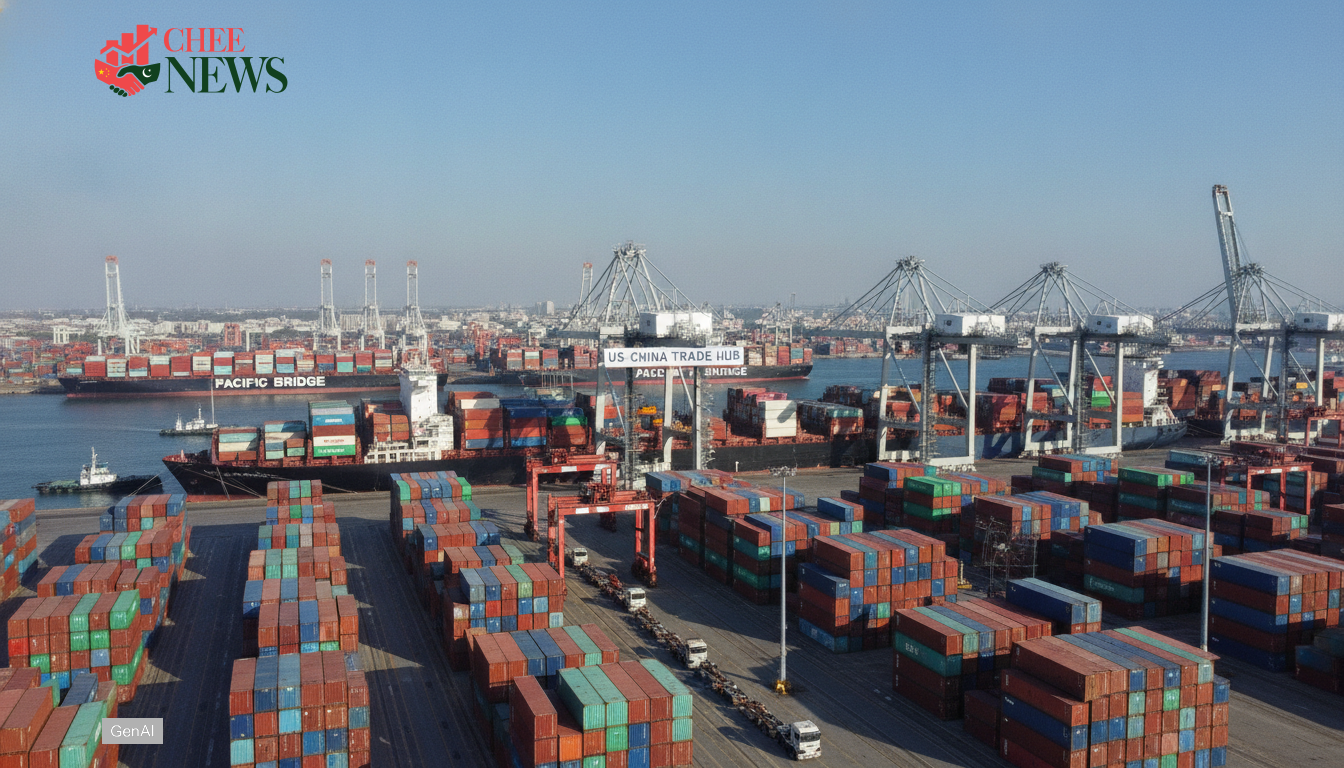
US-China trade tensions and claims of double standards
US-China trade tensions intensified after, according to available reports, China indicated that the United States applies double standards when using tariffs and other trade restrictions. In a Ministry of Commerce statement issued in Beijing, officials argued that Washington supports open markets rhetorically while tightening market access in practice. China’s approach is said to undermine rules-based trade by changing expectations for firms that rely on stable customs treatment and clear procedures. The ministry also warned that uncertainty can spread quickly across supply chains when tariff decisions appear tied to domestic political cycles rather than transparent commitments. The Ministry of Commerce reportedly urged dialogue but emphasized it would defend its interests if additional restrictions are introduced, as mentioned by the primary source.
China’s tariff critique and how it frames the dispute
Beijing’s criticism focuses on process and consistency. According to reports, China’s Ministry of Commerce said the United States judges its own restrictions differently from measures taken by other economies, and it called that posture unfair. Officials also argued that tariffs can distort competition beyond the headline rate by influencing licensing approvals, inspection intensity, and procurement decisions. The ministry said any trade tools should be applied in line with international obligations and predictable procedures. In this environment, tensions are fueled not only by new duties but also by the way each side publicly defines legitimacy, reciprocity, and enforcement.
Market impact and supply chain risks for trade relations
For companies, the near-term effect is less about rhetoric and more about operating costs, planning, and compliance. Importers and exporters watch changes in customs classification, documentation requirements, and shipment processing times because those frictions can raise costs even if tariff levels do not change. US-China trade tensions also complicate sector-by-sector talks where technical fixes are possible but politically sensitive, and a related industry lens appears in China tech overproduction dispute hits EV exports. These dynamics show how market access disputes can merge with arguments about subsidies, capacity, and competition in strategic sectors.
US response and the international rulebook narrative
US officials have defended tariff tools as part of broader economic and security priorities, often emphasizing enforcement and reciprocity in public remarks. According to reports, Washington has reportedly not accepted Beijing’s assertions of double standards, continuing to argue that certain market distortions require stronger remedies. International institutions typically avoid endorsing political language, but they emphasize predictability, transparency, and pathways for dispute settlement under global trade rules, a framing that is often echoed in regional coverage such as Hong Kong’s John Lee pledges 10-fold expansion of new university town. In recent public remarks in Washington, officials have paired those arguments with references to domestic industrial priorities and supply-chain resilience.
Outlook for talks and longer-term economic diplomacy
Stabilization will depend on whether working-level channels can translate political demands into verifiable commitments, including clearer definitions of what counts as legitimate defense tools versus protectionism. Beijing’s public line indicates it wants talks centered on predictability and mutual restraint, while also signaling readiness to respond under Chinese law if restrictions widen. Washington is likely to keep linking market access to enforcement mechanisms and domestic industrial objectives, and regional spillovers can affect investment sequencing as discussed in China backs China-Pakistan Economic Corridor amid shifts and China-Pakistan Economic Corridor: economic and local dynamics. US-China trade tensions may remain elevated even if dialogue resumes, because trust is tested with each incremental policy move. In Beijing and Washington, negotiators have continued to signal that any reset would require measurable steps rather than broad statements.

