
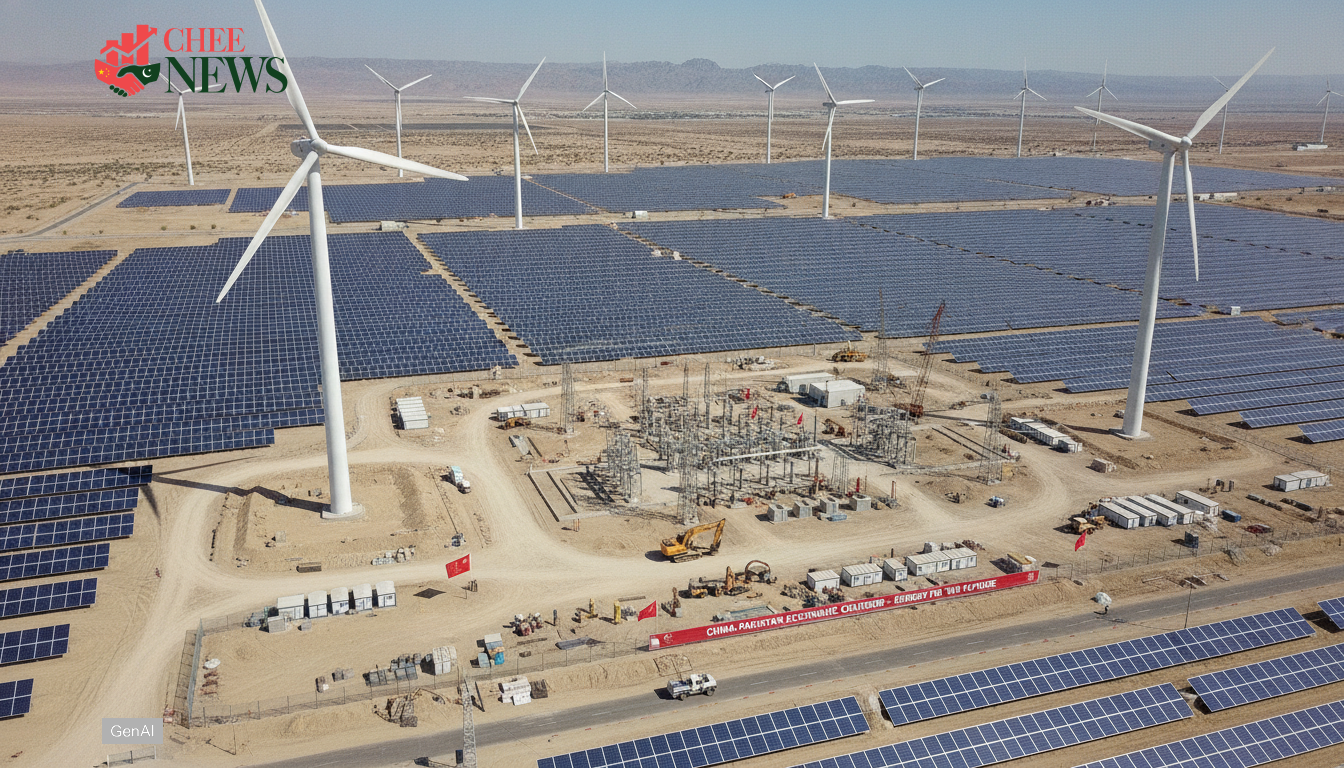
What the New Funding Means for Pakistan Energy Projects
Pakistan energy projects are entering a new phase as Islamabad and Beijing move toward finalizing financing and engineering packages for generation, transmission, and distribution upgrades, according to available reports. Officials have framed the push as near-term crisis management focused on delivering usable electricity to consumers. In briefings carried by state media in 2025, Pakistan’s Ministry of Energy said the work will prioritize clearing bottlenecks that keep existing capacity from reaching homes and industry. The ministry also mentioned that some projects are being re-scoped to emphasize grid readiness alongside new capacity. Regulators and policymakers have cited capacity-payment exposure and dispatch constraints as reasons to prioritize these projects around efficiency and absorption first, as indicated by official commentary and reporting.
China Announces New Investments in Pakistan Energy Projects
Implementation talks have centered on transmission reinforcement, substation automation, and selective additions of flexible generation that can respond to peak demand without increasing fuel exposure, as indicated by sector managers. Policymakers say China-Pakistan cooperation is extending into planning tools and diagnostics, not only construction. A separate view into upstream equipment timing appears in China tech startups watch Kingboard PCB capacity boost, illustrating how supply chains can affect delivery schedules for grid components. Some utilities are also testing computer vision for automated inspection of lines and meters to cut faults and speed theft detection, according to sector reporting. The operational implication is tighter sequencing between financing, procurement, and commissioning milestones for major energy upgrades.
Key Projects: Grid Upgrades, Flexible Power, and Renewables
These investments are being prioritized where they can unlock stranded generation by improving transmission and distribution performance, according to available reports. Officials point to recurring technical losses and overloaded feeders as reasons to fund reconductoring, new transformers, and upgraded protection systems before adding more baseload plants. For background on how planning is being adjusted around constraints, see Chinese investment in Pakistan reshapes energy planning. In parallel, planners are weighing flexible generation and storage options that can ramp quickly to meet evening peaks, which could reduce reliance on high-cost emergency dispatch. Sector managers say proposed timelines are being aligned to 2026 performance targets for outage reduction and improved billing recovery.
How These Pakistan Energy Projects Address the Power Crisis
Pakistan’s power squeeze has been linked by analysts and officials to circular debt, weak recoveries, and system losses that reduce delivered supply even when plants are available. Success will be judged by dispatch reliability, loss reduction, and collections rather than capacity alone, according to ministry and regulator statements referenced in coverage. Pakistan energy projects are increasingly screened against grid absorption, fuel logistics, and payment discipline, as benchmarks referenced in Ministry of Energy statements on reform priorities. For related context on the broader economic backdrop, readers can consult China Pakistan Trade Economics: Debt Risks Shift Trade. Analysts also link progress to broader trade and financing pressures, including external account stress and import costs for energy inputs.
Economic and Environmental Outlook Through 2026
For the macroeconomy, the immediate gain from grid and generation upgrades depends on reducing outage-linked production losses while containing import bills tied to LNG, coal, and furnace oil, according to analysts. The Ministry of Finance has linked power-sector leakages to fiscal stress in budget documents, and energy officials say selection is now screened more tightly for cost pass-through risks. Chinese investment is also being positioned toward cleaner outcomes where feasible, including incremental renewables and efficiency work that could lower emissions intensity per unit delivered. Verification is emphasized by international financiers and local regulators, with monitoring standards and metering coverage being built into contracts. The environmental upside through 2026 is expected to come from reducing inefficient dispatch and technical losses, according to sector analysis.

