
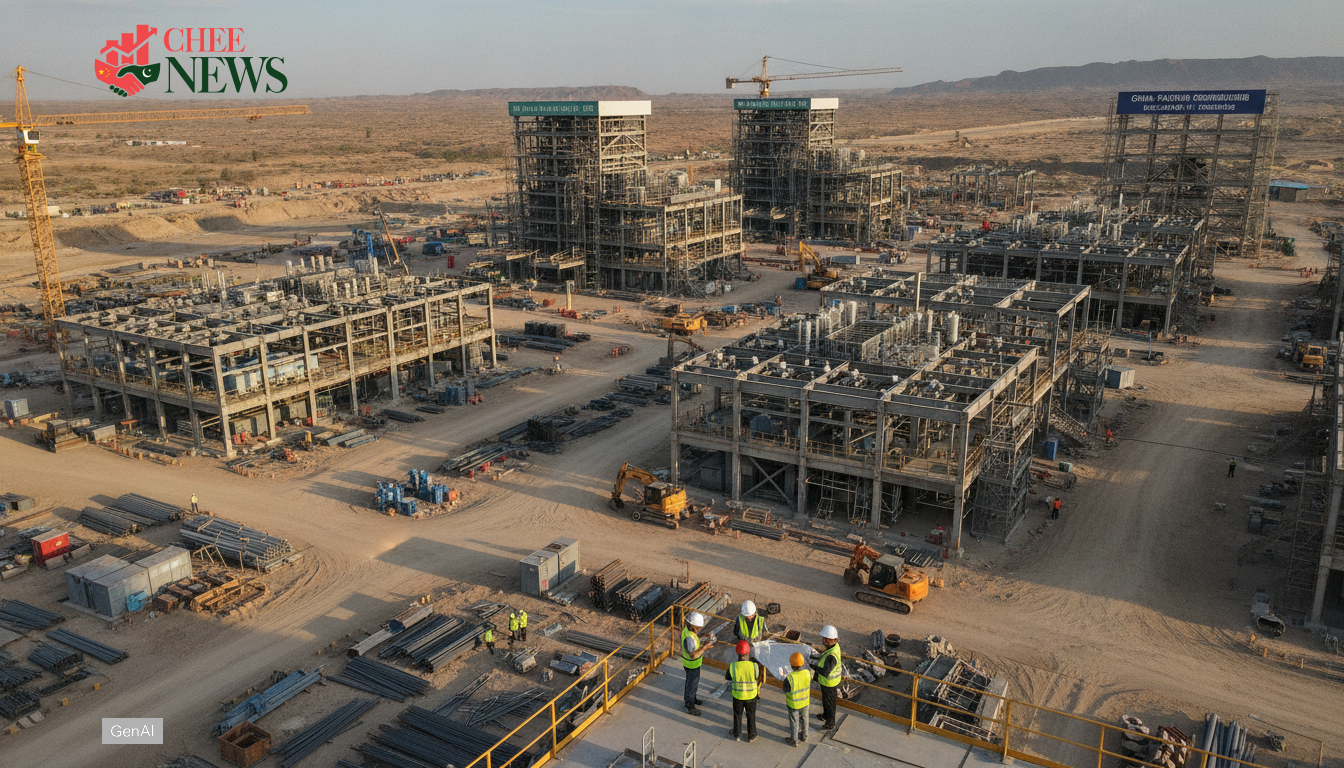
How Chinese investment in Pakistan is transforming energy planning
Islamabad is recalibrating power priorities as Chinese financiers and builders remain central to new capacity, transmission upgrades, and fuel choices, based on discussions involving Pakistani energy regulators and planning bodies. Officials have indicated in interviews and briefings that sequencing increasingly hinges on grid stability and circular debt management rather than simply adding megawatts. Planners have pushed since 2023 for tighter performance clauses, phased disbursements, and clearer responsibility for integrating new assets into the national grid, according to policy statements and reporting on ongoing power-sector negotiations. The National Electric Power Regulatory Authority (NEPRA) has also stressed in public determinations that reliability and loss reduction must accompany new approvals. Implementation speed is often seen by sector stakeholders as strategic because delayed commissioning can worsen capacity payments and weaken system planning discipline across the sector.
Projects and priorities under CPEC energy financing
Across CPEC energy financing discussions, recent work on Pakistan energy projects has increasingly emphasized transmission, efficiency, and selective generation rather than blanket additions, based on publicly reported planning priorities and project pipelines. The World Bank has outlined in multiple publications that distribution losses and weak bill recovery constrain reliable supply, which has supported arguments by Pakistani authorities to prioritize grid and market fixes over capacity alone. Within that policy frame, financing is being steered toward corridors where evacuation and demand are clearer, according to sector reporting and official planning documents. Related geopolitical scrutiny is also cited by industry participants as influencing technology selection and due diligence across supply chains, as risk reviews increasingly cover digital components used by utilities.
Economic and grid reliability impacts for Pakistan
Pakistan’s Ministry of Finance has described the power sector in budget documents and fiscal updates as a major driver of fiscal stress, with arrears and subsidies limiting room for broader investment. The economic effect, analysts suggest, depends on whether new financing lowers delivered costs and improves collections, not only whether it adds assets. In this context, Chinese investment in Pakistan is often evaluated by policymakers against affordability and reliability outcomes rather than headline capacity figures alone. For energy security, planners and commentators have highlighted fuel diversification and import exposure, particularly where foreign exchange volatility can amplify the cost of LNG and coal. Broader trade and debt dynamics shape those choices, as examined in China Pakistan trade economics and debt risks, which discusses how repayment profiles can influence project pipelines and sequencing.
Contract terms, governance, and collaboration risks
Execution risks are increasingly described by sector experts as operational rather than diplomatic, with utilities facing feeder losses, theft, and delayed tariff pass-through that can weaken project bankability. NEPRA has warned in official statements and determinations that governance gaps in distribution companies can erase the benefits of new plants and lines, leaving consumers paying for capacity without receiving steadier power. China-Pakistan collaboration can still unlock improvements if contracts prioritize measurable loss reduction, enforceable maintenance standards, and training for grid operators, according to reform proposals discussed in the sector. Cyber and data assurance has become part of procurement, especially where supervisory control systems connect to billing platforms and remote substations, which can raise the cost of weak oversight, according to utility and lender risk frameworks referenced in industry reporting.
What comes next for China-Pakistan energy ties
The next phase of China-Pakistan collaboration is likely to be evaluated by integration outcomes, including whether dispatch, pricing signals, and distribution performance align with added infrastructure, as energy economists and regulators have noted in public commentary. Pakistan’s Planning Commission has signaled in planning guidance and statements that future CPEC developments should prioritize projects that relieve bottlenecks and strengthen industrial competitiveness rather than expand capacity in already constrained corridors. Future deals may remain attractive where they deliver quicker commissioning, predictable operating costs, and technical support that utilities can absorb, according to market participants. Investors also seek clearer policy on wheeling, competitive procurement, and settlement of arrears because uncertainty can raise financing costs, as noted by stakeholders in power-sector consultations. If reforms keep pace, Chinese investment in Pakistan could shift further toward modernizing grids and management systems with reliability as a leading outcome.

