
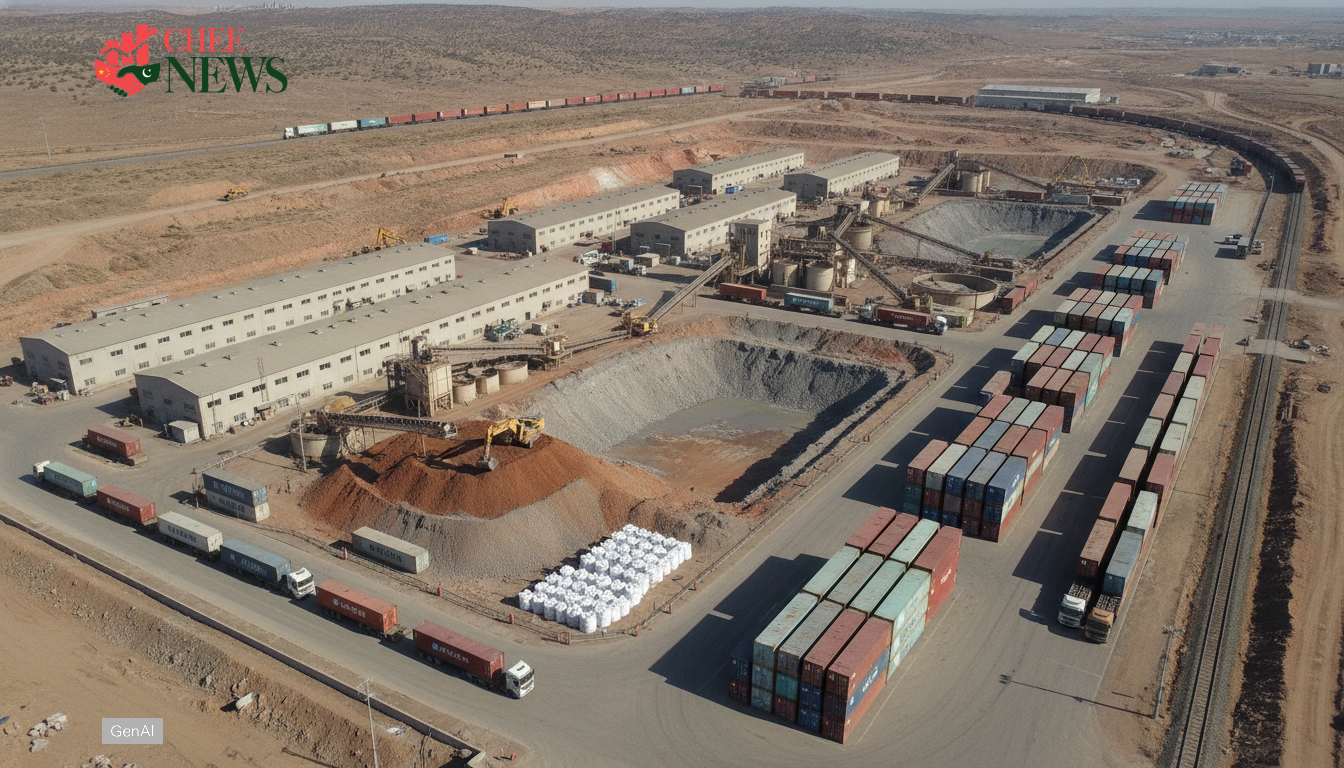
China export restrictions: what Beijing announced
China export restrictions are tightening for US rare earth firms as Beijing expands licensing checks on certain shipments and counterparties. The stated rationale is national security and nonproliferation compliance under existing export control rules, as described in official statements. On April 1, 2024, China’s Ministry of Commerce said exporters must strengthen end use verification, keep transaction records, and submit fuller buyer and final user documentation for approvals, according to the ministry’s announcement. Chinese state media described the measures as routine administration, while some exporters and logistics providers have reportedly seen longer processing times as they confirm whether products, entities, or destinations fall within control scope. Procurement teams at affected buyers say they are building extra lead time into orders for specialty materials used in magnets, alloys, and high performance components.
How US rare earth companies are affected
US rare earth companies that depend on China based supply chains can face friction when exporters pause shipments to recheck licensing status and paperwork completeness, according to industry accounts. Even when approvals are granted, contracts may be amended and cargo may be re cleared, and some banks may require proof of licensing before issuing trade credit, according to trade finance practitioners. These dynamics resemble compliance driven slowdowns described in other sensitive sectors, including China semiconductor industry gains momentum on stability, where tighter rules were associated with higher documentation burdens and longer timelines. That can raise working capital needs and push firms to carry higher inventory buffers. For buyers, the practical issue is reliability of delivery schedules rather than an immediate collapse in end demand.
Global trade and pricing implications
China export restrictions can add strain to global trade when downstream manufacturers in defense and clean energy compete for constrained inputs, as analysts of critical minerals and industrial supply chains often note. Licensing friction may shift pricing power toward incumbent producers, especially for separated oxides and magnet feedstocks where qualification typically takes time. Buyers are increasingly negotiating clauses tied to export controls, including penalties for licensing delays and provisions for substitute grades, according to market participants. Analysts tracking critical minerals also emphasize that diversified supply chains usually require multi year investment cycles in mining, refining, and qualification. In the near term, uncertainty around approvals can widen bid offer spreads and increase the cost of inventory financing, according to traders and financiers.
US response and compliance adjustments
In response to these export control frictions, Washington is expected to seek clarification on scope and licensing timelines through diplomatic channels, as suggested by typical government and industry practice in prior trade disputes. Industry groups may prepare filings to show civilian end uses and controlled item classifications, according to compliance advisers. Some firms are also reassessing regional sourcing and investment plans as alternative processing hubs compete for capital, including scenarios discussed in China-Pakistan trade shifts amid EU policy pressure. Companies are tightening screening of counterparties, increasing audit trails, and standardizing end user statements to reduce the risk of rejection, based on guidance commonly used in export compliance programs. When rules shift quickly, suppliers may prioritize customers with clearer documentation and stable trade finance support, which can disadvantage smaller buyers without dedicated compliance teams, according to logistics and compliance professionals.
What comes next for licensing checks
Near term outcomes will depend on how quickly licenses are processed and whether the list of affected entities expands, because delays can be as disruptive as outright bans, according to supply chain risk managers. In boardroom models, these China export restrictions are increasingly treated as a recurring compliance variable, prompting more rigorous customer screening and contract language that accounts for licensing uncertainty, according to executives and advisers. Manufacturers may qualify substitute sources, redesign components to tolerate different grades, or shift to longer term offtake arrangements, but engineering validation and certification generally take time. Governments may accelerate stockpiling and incentives for domestic refining, though permitting and skilled labor are widely cited constraints. Until licensing patterns stabilize, buyers should plan for more volatility in specialty inputs and potentially longer lead times for magnets and alloys, based on market participant expectations.

