
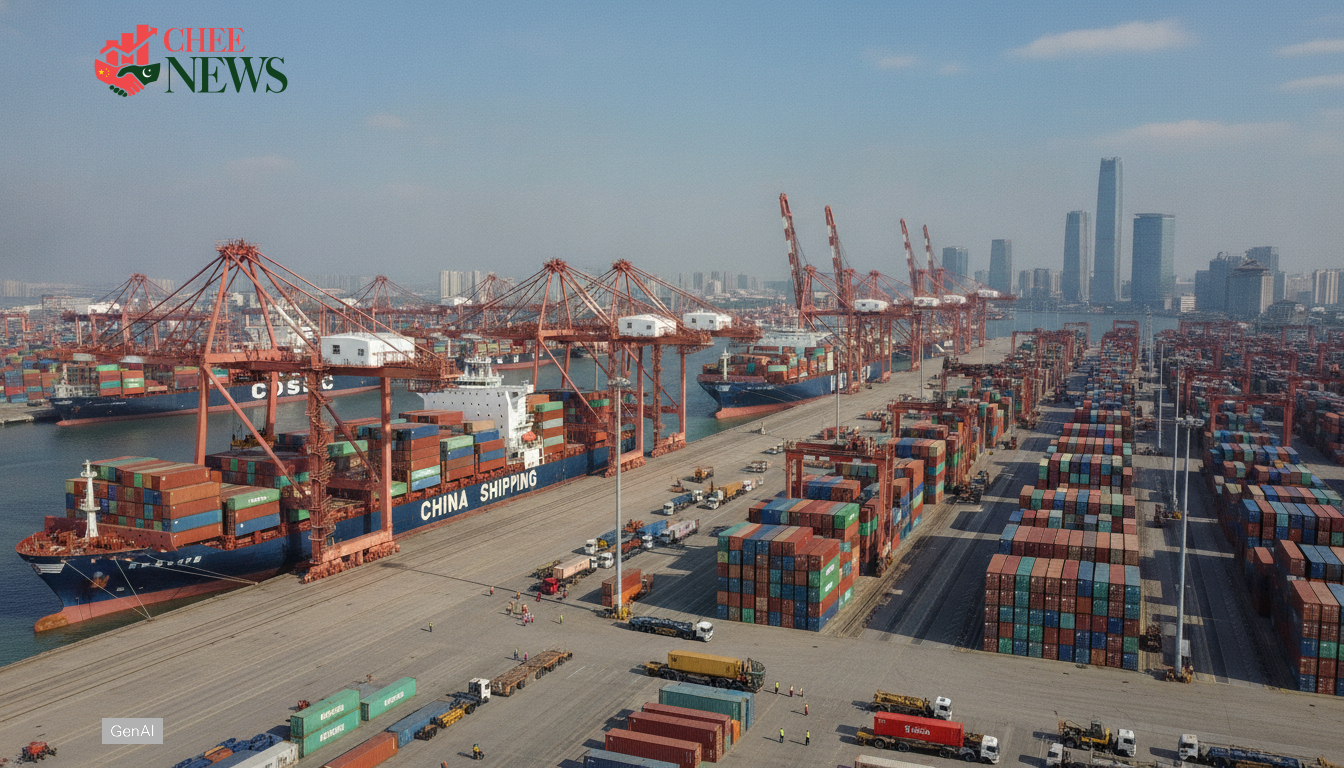
China refined fuel exports set to rise in July
Refined fuel shipments from China are expected to rise in July as Beijing prepares to lift refined fuel export quotas, according to available reports citing traders. The policy move covers products such as diesel and gasoline and is watched closely because it can quickly change Asia supply and pricing. In market discussions, the export channel is often treated as a release valve when domestic cracks weaken and refiners need an outlet for incremental barrels. The adjustment is expected to open a clearer path for state and private plants to place cargoes offshore, shaping near-term availability across major Asian hubs and influencing tender outcomes and spot premiums.
July export quota increase: what the policy change means
Reuters said the planned July step-up would expand the volume of permits available for overseas sales, giving refiners more flexibility to manage inventories and utilization. The decision comes as plants balance softer domestic demand signals with periodic overseas pull, particularly for diesel. Policy-driven supply shifts have also been a recurring theme across commodities, as outlined in China coal power surge in 2026: what changes now. A separate angle is operational: larger quota headroom can help smooth run-rate planning at integrated sites during weeks when local sales are uneven. Traders will watch July nominations and approvals to confirm how much of the quota is actually used.
Context for refinery runs, margins, and domestic supply
For China refineries, higher export allowances can improve run economics by widening the outlet beyond the domestic retail system. When cracks soften at home, overseas sales may help protect cash flow, supporting higher crude throughput and steadier port logistics. Broader industrial shifts also complicate demand signals; China electric vehicles boom lifts sales, strains grids highlights how transport changes can pressure traditional fuel consumption trends even as refinery systems remain geared to liquid fuels. Reuters has previously noted that quota announcements can influence scheduling decisions around maintenance and product slates, especially for gasoline and diesel streams. Provincial stakeholders also track throughput because it supports local tax receipts and jobs.
Global market impact and competitor response in Asia
The global energy market often reacts quickly when Chinese export policy loosens because additional cargoes can narrow refining margins elsewhere and alter shipping flows. Importers compare Chinese offers with Middle East and India-origin supplies, and extra volumes can reset spot differentials and freight demand around key storage hubs. As a downstream indicator of fuel-cost pass-through, the South China Morning Post reported that HK Electric raises fuel charge by nearly 34% and further increases expected, underscoring sensitivity to fuel-linked inputs. Competitor refiners in Singapore, South Korea, India, and the Middle East reportedly respond by adjusting export pricing, inventory cover, and run rates, especially for diesel in price-sensitive destinations.
Outlook for China refined fuel exports in Q3
Looking beyond July, the outlook depends on how Beijing sequences quotas alongside domestic economic priorities, since export channels can be tightened if local supply conditions change. Reuters positioned the July increase as a decision traders will map into third-quarter balances, particularly if maintenance calendars shift and inventories build. In the near term, market focus will stay on export nominations, port lineups, and tender participation to gauge actual liftings. China refined fuel exports will also be shaped by product cracks and freight rates, which determine whether arbitrage remains open into key destinations. Any further quota actions will be read against seasonality and stock trends, with refiners prioritizing stable operations and predictable margins.

