
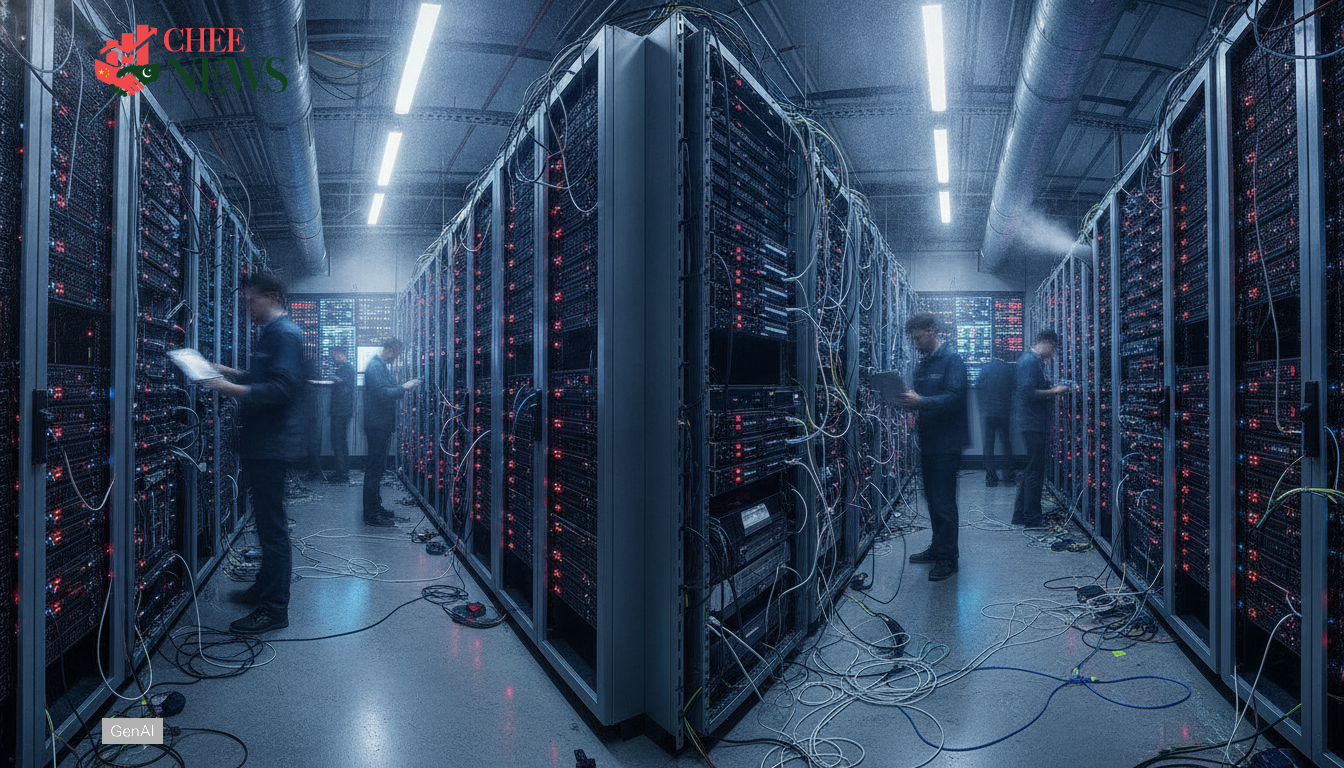
China AI model demand drives compute capacity crunch
China AI model demand is reportedly exceeding available inference capacity, and some providers have paused new paid sign-ups and tightened usage controls, as indicated by reporting from South China Morning Post. Reports around the Kimi K3 rollout suggest constrained GPU supply, limited throughput, and platform-level rate limits as possible immediate causes, according to the same coverage. Some users have experienced queues and slower responses during peak hours, as described in media reports, while operators aim to maintain stability for existing customers. The subscription freeze has been described in reports as a temporary protection measure while additional compute is introduced, but no firm reopening date has been publicly provided, based on available reports. The episode highlights how quickly a popular launch can shift attention from model features to operational readiness, particularly when demand scales faster than typical data center procurement cycles, as industry observers often note.
What is causing China AI model demand to spike
China AI model demand seems to be increasing with developer adoption, as teams integrate models into chat products, search, and internal automation, according to reporting and general industry patterns. Students and hobbyists can also add load by running long context prompts and repeated evaluations, while enterprises test API reliability before committing to contracts, a common occurrence in comparable launches. South China Morning Post reported that the Kimi K3 developer suspended new subscriptions amid compute constraints as usage climbed rapidly in a competitive market. A parallel summary, Chinese AI startups: Moonshot AI pauses Kimi K3, highlighted how daily growth can overwhelm provisioning plans when inference demand rises faster than new GPU capacity can be deployed. The result can be elevated usage even after the initial surge, as described in that coverage.
Subscription freeze impacts pricing and access to AI tools
When onboarding is paused, product teams that planned fixed rollouts may need to delay launches or shift workloads to other providers, especially if they need predictable API access, based on typical platform operations. Existing subscribers might see improved stability, but they can still face stricter rate limits and revised fair use rules, as platforms often do during capacity crunches. In similar situations, scarce capacity is frequently allocated to higher value enterprise deals, longer commitments, or customers willing to accept usage caps, according to common industry practice rather than specific public policy announcements. SCMP also noted how Chinese firms are reconsidering monetisation mechanics, including SenseTime’s reported shift toward a task-based approach rather than pure token pricing, which can change budgeting for heavy users; for more context on platform policy pressures affecting service operations, see Meta WhatsApp AI Chatbot Ban: China Romance Crackdown. The same coverage framed these changes as part of a broader effort to manage reliability while demand remains elevated.
How providers plan to meet China AI model demand next
Meeting China AI model demand will likely require more than queues and temporary gates if the load is tied to sustained developer adoption, as described in reports about the current spike. Operators are generally expected to add GPUs, expand data center footprints, and improve serving efficiency through batching, quantization, and smarter routing, following standard industry approaches rather than a single announced plan. The operational playbook increasingly resembles mature cloud engineering: reliability targets, procurement timing, and cost per token must improve alongside model iteration, according to common practice in large-scale inference services. Regional infrastructure also matters, including power availability and grid stability, because inference clusters are energy intensive, as data center operators routinely note. Pakistan watchers following CPEC-aligned tech investment often link compute expansion to energy buildout and connectivity planning; see Pakistan energy projects deepen China ties under CPEC and Chinese Investment in Pakistan: Energy Projects Surge. If scaling executes quickly, subscription intake could reopen with clearer tiers and stronger guarantees, although no confirmed timetable has been publicly reported.

